

Custom Orthotics for Children: Early Intervention
Key Highlights
- Early orthotic use can correct alignment and prevent long-term issues.
- Common conditions treated: flat feet, toe walking, gait problems, and neuromuscular disorders.
- Signs a child may need orthotics include frequent pain, unusual gait, uneven shoe wear, or delayed milestones.
- Custom orthotics provide better fit, correction, and durability than generic inserts.
- Benefits: improved balance, pain relief, endurance, and healthy development.
- Regular reassessment is essential as children grow.
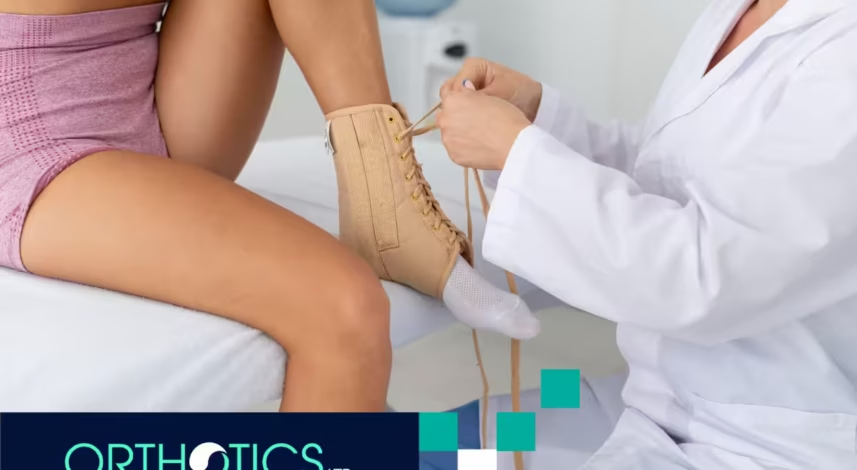
Children’s bodies are dynamic. As limbs grow, bones ossify, muscles strengthen, and neural control matures, small deviations in alignment, gait, or load transmission can evolve into larger problems later. That’s why custom orthotics for children—sometimes called pediatric custom orthotics—play an especially important role in early intervention.
In this blog, we’ll look at the rationale, benefits, signs, and practical aspects of offering pediatric orthotics. We’ll also compare custom vs off-the-shelf solutions, walk through the fitting process, and guide parents and clinicians. Whether your child has subtle foot discomfort or pronounced gait anomalies, early orthotic support can make a meaningful difference.
Why Early Intervention Matters in Pediatric Orthotics
1. Growing Bones Are Malleable
Children’s skeletal structures are not yet rigid. Growth plates, cartilage, and flexible joints all allow for remodeling and adaptation. Introducing an orthotic device during this phase can ‘nudge’ alignment corrections and reduce compensatory patterns before they become entrenched. The window for maximal influence is greatest early.
2. Preventing Secondary Complications
Left unchecked, mild misalignments in feet or ankles may lead to knock knees, hip stress, back pain, or compensatory muscle overuse. Using orthotics for children proactively can distribute loads more evenly and reduce long-term strain on adjacent joints.
3. Encouraging Active Participation
Kids are naturally active, and pain or instability can discourage play, sports, or movement. Orthotics that reduce discomfort make physical activity more enjoyable and sustainable, which in turn supports strength, coordination, and bone health.
4. Reducing or Avoiding Surgery
By intervening early with supportive devices, many children avoid more invasive treatments later. Custom orthotic solutions are often preferred before surgical interventions, when clinically feasible.
5. Psychological Confidence & Mobility
Children with more stable feet and alignment tend to have better confidence in movement, less fear of falling, and greater willingness to engage in peer play and sports. This psychological side is an often-overlooked but real benefit of custom orthotics for children.
Common Conditions Addressed by Pediatric Orthotics
Here are frequent pediatric musculoskeletal or developmental cases in which custom orthotics for children may play a central role:
- Flat feet/overpronation (pes planus): when symptomatic or persistent beyond the typical age
- High arches (pes cavus): poor shock absorption or pressure focalization
- In-toeing / out-toeing (gait deviations): rotational alignment anomalies
- Leg length discrepancies: minor differences can be equalized with orthotic lifts or modifications
- Toe walking: prompting a more normalized heel-to-toe gait
- Heel pain / Sever’s disease: reducing stress at the growth plate with added support and cushioning
- Neuromuscular/developmental disorders (e.g., cerebral palsy): AFOs, dynamic braces, KAFOs to guide movement, posture, balance
- Spinal or postural issues (in conjunction): if foot alignment is a contributing factor, though orthotics are part of a broader treatment plan
Signs Your Child May Benefit from Orthotic Support
As a parent or clinician, watch for these red flags:
- Frequent complaints of foot, ankle, or leg pain, especially after daily play or sports
- Atypical gait: dragging, toe walking, walking on the edges of the foot, limping, in-toeing, or out-toeing
- Shoes are worn unevenly (inside edges, outside edges, heels)
- Difficulty keeping up with peers in activity or fatigue during walking/standing
- Noticeable posture issues or asymmetric alignment when standing (knees, hips, ankles)
- Delayed motor milestones (in neuromuscular or developmental disorders)
- Parent or clinician observation of foot flattening under load or collapse of the arch
These indicators do not guarantee the need for orthotics, but they merit evaluation.
Why Choose Pediatric Custom Orthotics vs Generic Inserts
Not all insoles or braces are equivalent. Pediatric custom orthotics offer several advantages over off-the-shelf alternatives:
| Feature | Generic / Prefab Orthotics | Pediatric Custom Orthotics |
|---|---|---|
| Fit specificity | Broad sizes, less precise | Tailored to foot geometry and gait |
| Correction capability | Limited to general support | Can address precise biomechanical deviations |
| Growth accommodation | Less adaptable | Designed with adjustments or modular features |
| Durability in active use | May degrade faster | Higher quality materials suited for children |
| Consistency of benefit | May shift or slip | Better stability, consistency in effect |
| Clinical outcomes | Mixed for complex conditions | Stronger results in challenging cases |
In fact, one clinical discussion argues that “custom-molded orthotics should be the standard of care for pediatric populations when managing and preventing foot pathology.”
While a generic insert might help a mild or transient symptom, custom solutions are more dependable when growth, alignment, and biomechanical control matter.
The Assessment & Fitting Process
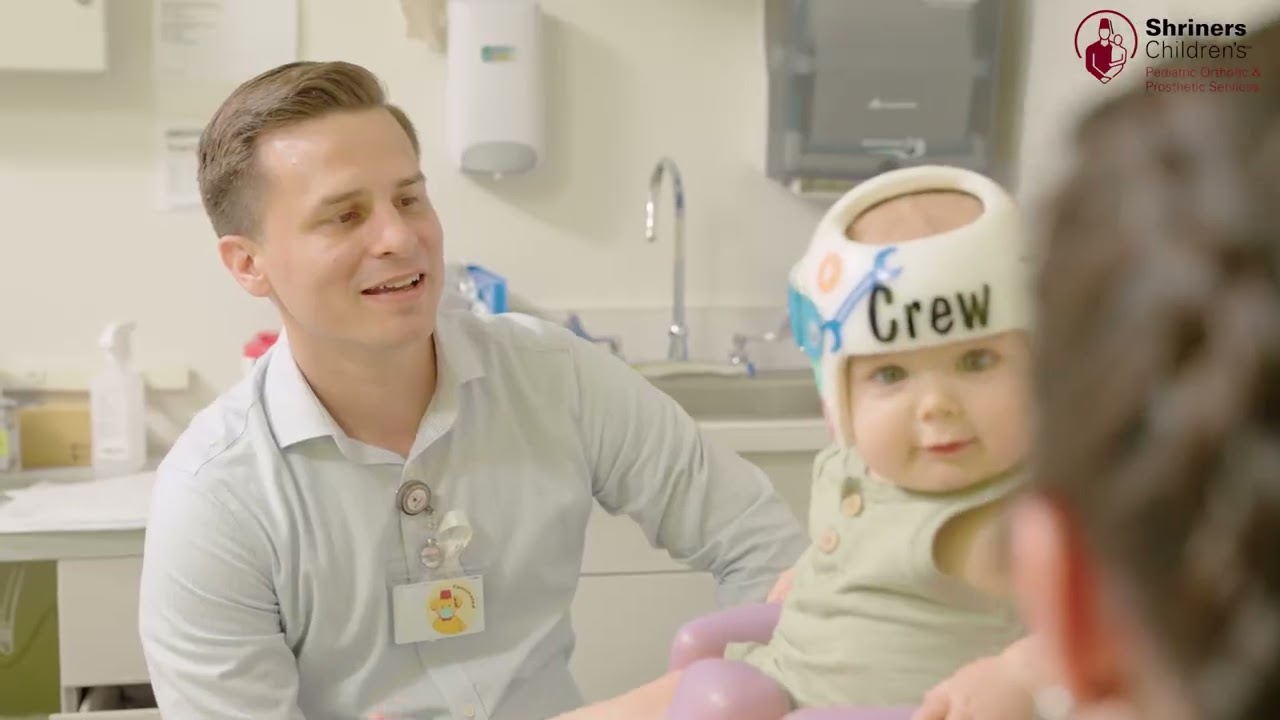
Here is a general roadmap for how custom orthotics for children are evaluated, fitted, and managed:
1. Clinical Evaluation
- Review medical history, growth trends, and developmental milestones
- Visual and physical examination of feet, ankles, knees, hips, and posture
- Gait analysis (walking barefoot, in shoes)
- Observations of balance, stability, and foot posture under load
2. Imaging / Casting / Scanning
- Use plaster casting, foam impression, or 3D scan techniques, often in both non-weight-bearing and weight-bearing positions
- Capture dynamic foot shape under load to guide functional design
3. Design & Material Selection
- Decide on rigidity, flexibility zones, cushioning, corrective flanges, and modular features
- For growing children, some designs include adjustability or a “grow room”
- Use durable, child-friendly, lightweight materials
4. Fabrication & Quality Control
- In the orthotic workshop or lab, the device is crafted, refined, and quality checked
- Confirm that tolerances, trim lines, and supports match the prescription
5. Fitting & Fine-Tuning
- The child tries on orthotics in shoes; adjustments (shimming, trimming, padding) are made
- Gait retest with the device
- Educate children, parents, and guardians on donning, doffing, care, and wear schedule
6. Wear-In Protocol & Monitoring
- Begin with limited wear-time and gradually increase to full-day use
- Monitor for pressure points, discomfort, or skin reactions
- Schedule follow-up visits (e.g., 4–8 weeks, then periodically)
7. Long-Term Reassessment & Replacement
- As the child grows, periodic reassessment ensures continued appropriate fit and function
- Orthotics may be replaced or adjusted every 1–2 years or sooner in rapid growth phases
Close monitoring is essential to avoid undermining development or causing unintended pressure effects.
Benefits You Can Expect
When custom orthotics for children are prescribed and managed well, the potential benefits include:
- Improved gait symmetry and smoother walking pattern
- Reduction or elimination of foot, ankle, knee, or leg pain
- Greater stability, balance, and reduced risk of falls
- Prevention of secondary deformities or compensation in the hips/back
- Enhanced comfort and endurance in play, sports, and daily activity
- Potential avoidance of invasive interventions in the future
- Increased confidence in movement and participation
Parents and clinicians often report that children become more willing to run, jump, and engage in age-appropriate activities once discomfort is mitigated.
Challenges & Considerations
While pediatric orthotics have many potential benefits, there are caveats to be aware of:
- Rapid growth requires frequent reassessment and potential device replacement
- Poorly designed or ill-fitting orthotics may create new pressure zones or discomfort
- Compliance can be challenging—kids may resist wearing them
- Cost and insurance coverage may present barriers
- Orthotics are adjuncts, not substitutes—therapy, exercises, footwear, and monitoring are still critical
- Some conditions are too severe for orthotics alone and may require surgical or multidisciplinary intervention
Selecting an experienced pediatric orthotist and maintaining close follow-up helps mitigate many of these risks.
Practical Tips for Parents & Caregivers
- Start by documenting symptoms: when they occur, impact on activity, and visual cues
- Bring your child’s everyday shoes to appointments—they reveal wear patterns
- Encourage tolerance gradually—don’t force full-day use initially
- Watch for red flags: skin irritation, pressure marks, refusal to use
- Schedule habitual checkups (every 6–12 months), given growth
- Ensure footwear compatibility—shoes should accept the orthotic comfortably
- Combine orthotics with stretching, strengthening, and physical therapy when indicated
- Be patient—some improvements take weeks or months
Bottomline
Custom orthotics for children offer a powerful tool in early intervention. Through precise design, growth accommodation, and dynamic support, pediatric custom orthotics help correct alignment, reduce pain, and guide healthy development. Compared to generic inserts, custom devices offer stronger corrective capacity, durability, and reliability—especially in active, growing children.
If your child shows signs of gait asymmetry, foot or leg discomfort, fatigue, or difficulty in play, a professional evaluation may reveal whether pediatric orthotics can help. When combined with therapy, monitoring, and appropriate follow-up, the benefits can last well into adulthood.
When you’re ready to explore custom orthotics or pediatric solutions, Orthotics Ltd. offers specialized prosthetic and orthotic services—skilled in pediatric care, custom design, and growth-based follow-up to support your child’s mobility and comfort from a young age. Reach out today!
Frequently Asked Questions
1. At what age can children start using custom orthotics?
There’s no rigid minimum age. Infants may use cranial orthoses for head shape, but for foot orthotics, many clinicians begin evaluation once independent walking begins. The key is matching intervention to developmental readiness.
2. Do children always outgrow the need for orthotics?
Not always. Some children’s structural tendencies persist into adolescence or adulthood, but many only need orthotics during growth phases. Regular reassessment determines when orthotics can be reduced or discontinued.
3. How often should pediatric orthotics be replaced?
Typically, every 1–2 years, but during growth spurts, replacement or significant adjustment may be needed more frequently. Skin fit, comfort, and performance guide the schedule.
4. Does insurance usually cover pediatric custom orthotics?
Coverage varies—some plans cover orthotics when medically prescribed for documented conditions. Others may limit to prefabs or deny coverage. Always check with your insurer and ensure proper documentation.
5. Can orthotics help with neuromuscular or developmental disorders?
Yes. Children with conditions like cerebral palsy, spina bifida, or muscular dystrophy often benefit from pediatric orthoses (e.g., AFOs, DAFOs). Custom solutions tailored to their needs help support gait, posture, and function.
Sources:
- https://pmc.ncbi.nlm.nih.gov/articles/PMC9324710/
- https://my.clevelandclinic.org/health/diseases/flat-feet-pes-planus
- https://www.physio-pedia.com/Pes_Cavus
- https://med.stanford.edu/stanfordmedicine25/the25/gait.html
- https://pmc.ncbi.nlm.nih.gov/articles/PMC10456098/
