

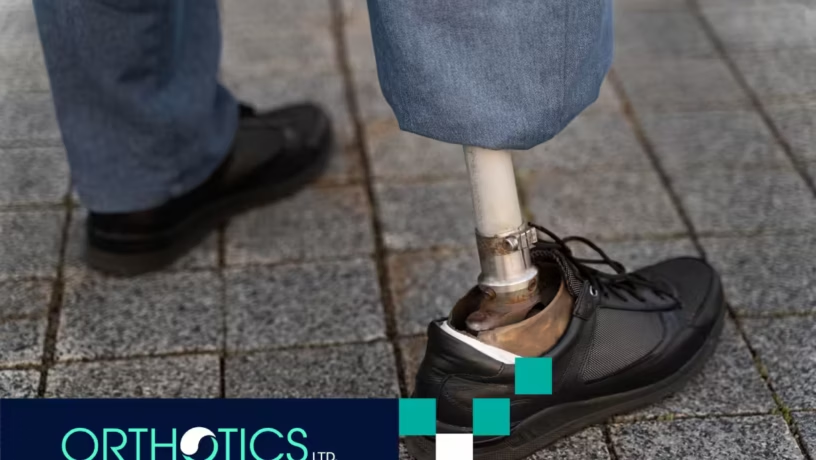
Knee Ankle Foot Orthosis: KAFO Uses, Types & Care
Key Highlights A knee ankle foot orthosis (KAFO) is a long leg brace that supports the knee, ankle, and foot together, and is typically considered when the knee itself cannot be stabilized by muscle control alone. KAFOs differ from AFOs by crossing the knee joint, which changes how the brace is designed, fitted, and worn. […]
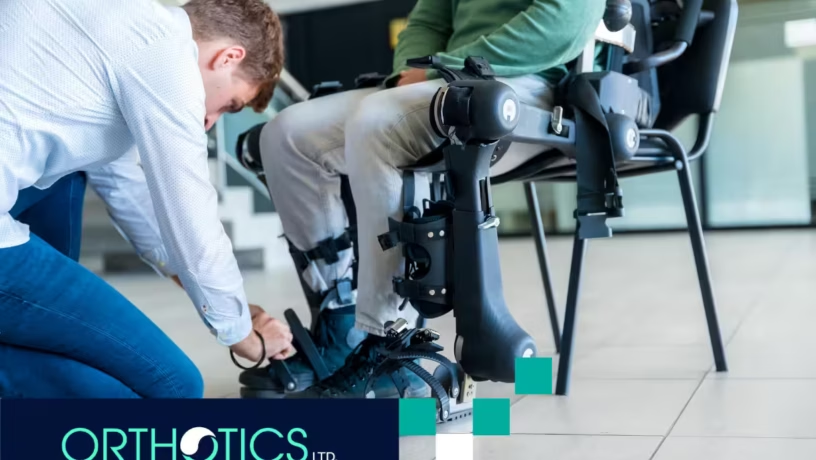
Residual Limb Desensitization Before a Prosthetic Fit
Key Highlights Residual limb desensitization is the gradual process of helping a limb tolerate touch, pressure, and texture after amputation surgery. Heightened sensitivity after surgery is common and relates to nerve changes, healing tissue, and the limb’s reduced exposure to everyday contact. Exercises should only begin once the surgical or rehabilitation team confirms the wound […]
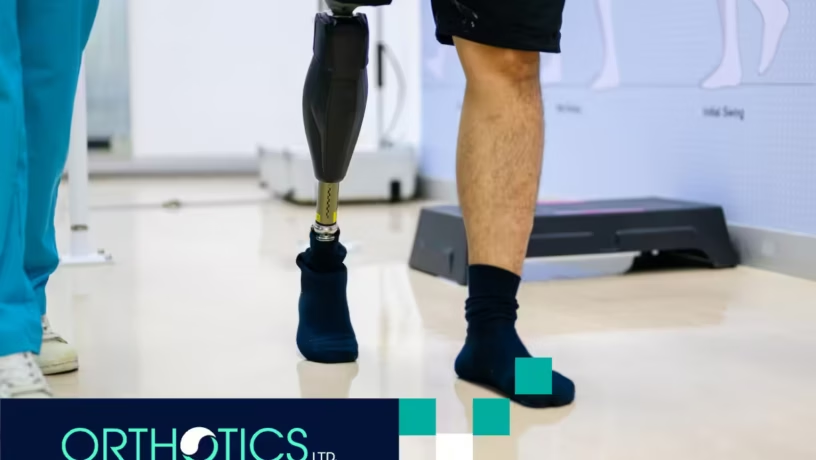
Prosthetic Liner Care: How to Clean, Maintain, and Replace Your Liner
Key Highlights Daily cleaning of your liner and residual limb is one of the simplest ways to prevent skin irritation and extend the life of your device. Different liner materials, including silicone, gel, and urethane, each have specific care requirements you should know. A worn or damaged liner can quietly cause fit problems and skin […]
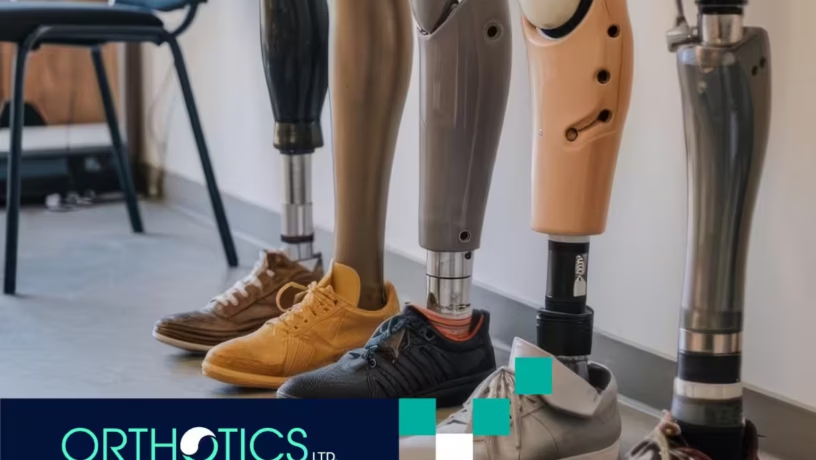
When Should You Call Your Prosthetist About Skin Problems?
Key Highlights Some level of skin change, like mild redness or a temporary hot spot, is a normal part of wearing a prosthesis and does not always require a call. Certain warning signs, including open sores, drainage, foul odor, or spreading redness, mean you should contact your prosthetist or medical provider right away. A simple […]
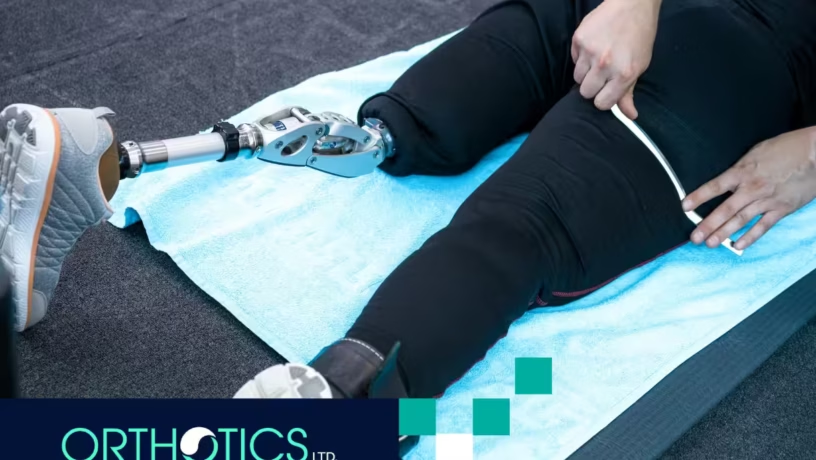
Suction vs. Vacuum Prosthetic Suspension: What’s the Difference?
Key Highlights Suction suspension relies on a one-way valve and a snug socket fit to create a seal, while vacuum suspension uses continuous mechanical or electronic pressure to hold the limb in place. Vacuum suspension actively manages residual limb volume changes throughout the day, which can mean a more consistent, secure fit from morning to […]
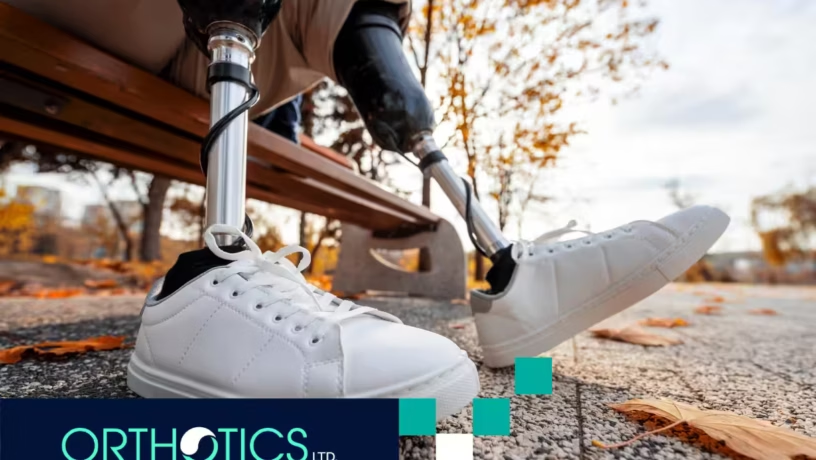
Preparing Your Prosthetic Socket for Fall and Cool-Weather Transition
Key Highlights Cooler mornings cause blood vessels in the residual limb to constrict, which can shrink limb volume and loosen prosthetic socket fit within just a few days. Skin care priorities flip in the fall: instead of managing sweat and moisture, the focus shifts to preventing dryness, cracking, and irritation from indoor heating and low […]
