

Hybrid Prosthetics: Combining Function and Comfort
Key Highlights:
- Hybrid prosthetics blend traditional and modern designs to maximize function and comfort.
- They offer improved mobility, adaptability, and reduced fatigue for users.
- Customization ensures optimal fit and accommodates lifestyle or activity needs.
- Lightweight materials and modular designs enhance comfort and daily usability.
- Collaborative care with clinicians ensures the prosthetic meets both functional and personal goals.
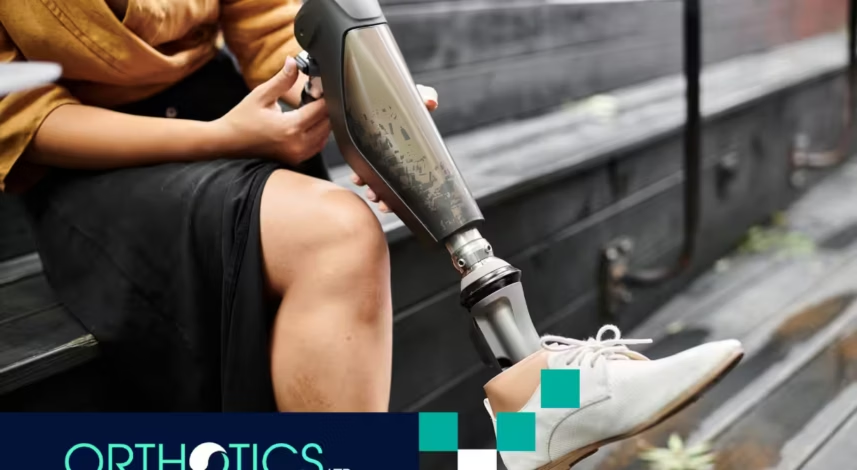
Prosthetic technology has advanced significantly in recent years, allowing users to achieve greater mobility, comfort, and independence. One of the most promising developments is hybrid prosthetics, which combine the best aspects of different prosthetic designs to meet individual needs. Unlike conventional prosthetics, hybrid solutions provide a balance of function and comfort, making them ideal for both daily activities and active lifestyles.
This blog explores hybrid prosthetics, their benefits, design considerations, and practical strategies to ensure users get the most out of their devices.
What Are Hybrid Prosthetics?
Hybrid prosthetics are prosthetic limbs that combine multiple design elements, such as traditional rigid sockets with flexible liners, or mechanical joints with advanced ergonomic features. This combination allows users to enjoy:
- Enhanced Functionality: Improved range of motion, strength, and stability.
- Increased Comfort: Reduced pressure points and fatigue during extended use.
- Customizability: Adjustments tailored to activity level, age, and body type.
Hybrid prosthetics are suitable for both upper and lower limb prosthetics, addressing unique user needs in mobility, sports, and daily life.
Benefits of Hybrid Prosthetics
Hybrid prosthetics offer several advantages over conventional designs:
A. Improved Mobility
By combining mechanical and ergonomic features, hybrid prosthetics allow for smoother movement and easier adaptation to varied terrains.
B. Enhanced Comfort
Soft liners, adjustable sockets, and lightweight materials reduce skin irritation and increase wear time.
C. Customizable Functionality
Hybrid designs can integrate components such as:
- Multi-axis joints for natural movement
- Shock-absorbing feet for running or walking
- Modular hands for grasping and daily tasks
D. Support for Active Lifestyles
Children and adults can participate in sports, outdoor activities, and recreational pursuits without compromising comfort or functionality.
E. Long-Term Adaptability
Modular hybrid prosthetics can be adjusted as users grow or their activity needs change, minimizing the need for full replacements.
Design Considerations for Hybrid Prosthetics
When selecting or designing a hybrid prosthetic, several factors must be considered:
| Factor | Importance | Example |
|---|---|---|
| Socket Fit | Critical for comfort and alignment | Adjustable liners or modular sockets |
| Weight | Reduces fatigue | Carbon fiber or lightweight aluminum |
| Joint Mechanics | Enhances movement | Multi-axis knees or wrists |
| Activity Level | Determines customization | Sports adapters, shock absorbers |
| User Goals | Aligns with daily needs | Upper limb functional hands or lower limb running feet |
A prosthetist works with the user to balance these factors, ensuring the prosthetic meets both functional and personal goals.
Materials Used in Hybrid Prosthetics
Materials play a vital role in achieving comfort and durability. Common materials include:
- Carbon Fiber: Lightweight and strong, ideal for feet and sockets.
- Silicone Liners: Soft, flexible, and reduce skin irritation.
- Aluminum or Titanium: Durable framework for joints and connectors.
- Thermoplastics: Moldable materials for customizable sockets.
Choosing the right combination of materials allows users to enjoy long-term comfort without compromising performance.
Pediatric Considerations
Children using hybrid prosthetics face unique challenges due to growth, activity, and developmental needs:
- Growth Adjustments: Modular components make socket and limb length modifications easier.
- Active Play: Lightweight and flexible designs accommodate running, climbing, and sports.
- Confidence and Independence: Comfortable, functional prosthetics encourage consistent use and participation.
Tip: Frequent follow-ups with the prosthetist ensure the prosthetic continues to meet a child’s evolving needs.
Integrating Prosthetics Into Daily Life
Hybrid prosthetics are most effective when integrated into daily routines:
- School: Comfortable fit and modularity support walking, classroom activities, and recess.
- Sports: Shock absorption and adaptive joints allow safe participation in physical activity.
- Play and Recreation: Lightweight materials and ergonomic design enable creative and energetic play.
- Daily Tasks: Functional hands or gripping tools improve independence in self-care activities.
Tip: Gradual introduction and skill-building exercises can help users adapt confidently.
Collaboration With Healthcare Providers
Successful use of hybrid prosthetics requires a team approach:
- Prosthetists: Customize and fit the device.
- Physical Therapists: Develop mobility and strength programs.
- Occupational Therapists: Address daily activity needs and skill training.
- Family or Caregivers: Support emotional well-being and consistent use.
A collaborative approach ensures the prosthetic meets functional, comfort, and lifestyle goals.
Common Challenges and Solutions
Even with hybrid prosthetics, users may encounter challenges:
| Challenge | Solution |
|---|---|
| Skin irritation | Adjust the liner, use softer materials, and monitor wear time |
| Growth changes | Modular sockets for easy adjustment |
| Device fatigue | Lightweight materials and ergonomic design |
| Learning curve | Gradual introduction and physical therapy guidance |
| Activity adaptation | Custom attachments for sports or recreation |
Proactive management ensures hybrid prosthetics remain effective and enjoyable for long-term use.
Final Thoughts
Hybrid prosthetics represent a major advancement in prosthetic technology, combining comfort, function, and adaptability. Whether for children or adults, these devices support mobility, independence, and active lifestyles while addressing the challenges of fit, wear time, and activity demands.
For expert guidance, personalized solutions, and ongoing support with hybrid prosthetics, Orthotics Ltd. provides innovative options and compassionate care designed to enhance quality of life. Reach out today!
Frequently Asked Questions
1. What is a hybrid prosthetic?
A hybrid prosthetic combines multiple design elements, such as rigid sockets with flexible liners or mechanical joints with ergonomic features, for both function and comfort.
2. Are hybrid prosthetics suitable for children?
Yes, modular and lightweight designs make hybrid prosthetics ideal for growing children and active play.
3. How often should hybrid prosthetics be adjusted?
Adjustments may be needed every 3–6 months or as the user’s growth or activity levels change.
4. Can hybrid prosthetics be used for sports and recreation?
Absolutely. Shock-absorbing feet, multi-axis joints, and adaptive attachments allow safe participation in various activities.
5. What materials are commonly used in hybrid prosthetics?
Common materials include carbon fiber, silicone liners, aluminum or titanium frameworks, and thermoplastics for customizable sockets.
Sources:
- https://pmc.ncbi.nlm.nih.gov/articles/PMC4570001/
- https://pmc.ncbi.nlm.nih.gov/articles/PMC12665667/
- https://pmc.ncbi.nlm.nih.gov/articles/PMC5555034/
- https://jneuroengrehab.biomedcentral.com/articles/10.1186/s12984-021-00939-8
