

How Natural Do Cosmetic Prosthetics Look? Merging Function With Personal Style
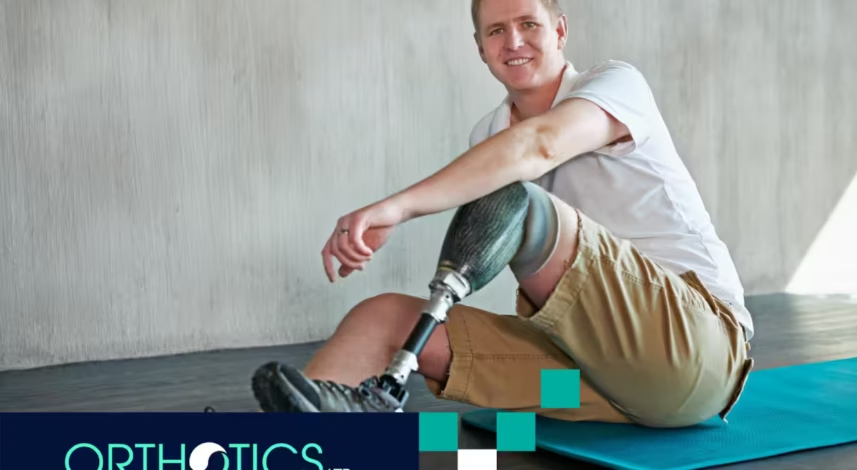
Key Highlights
- Prosthetic aesthetics focus on blending appearance with comfort and performance.
- Modern prosthetics allow for personalization without compromising function.
- Aesthetic choices can positively impact confidence and emotional well-being.
- Materials, finishes, and design options have expanded significantly in recent years.
- Functional needs always guide aesthetic customization—not the other way around.
For many years, prosthetic care focused almost entirely on function—how well a device restored mobility, stability, or strength. While function remains essential, modern prosthetic care recognizes something equally important: how a prosthesis looks and feels to the person wearing it. This shift has given rise to the growing focus on prosthetic aesthetics, where performance and personal expression coexist.
Prosthetic aesthetics are not about vanity. They are about identity, confidence, and feeling comfortable in one’s body. When individuals feel connected to their prosthesis—both functionally and visually—they are more likely to wear it consistently, move confidently, and engage fully in daily life.
This article explores how prosthetic aesthetics have evolved, what customization options exist today, and how function and personal style work together—not against each other.
What Are Prosthetic Aesthetics?
Prosthetic aesthetics refer to the visual appearance, design elements, and personalization options of a prosthetic device. This can include:
- Shape and contour
- Skin-tone matching or realistic finishes
- Decorative covers or patterns
- Color choices
- Material textures
- Sleek, mechanical, or artistic designs
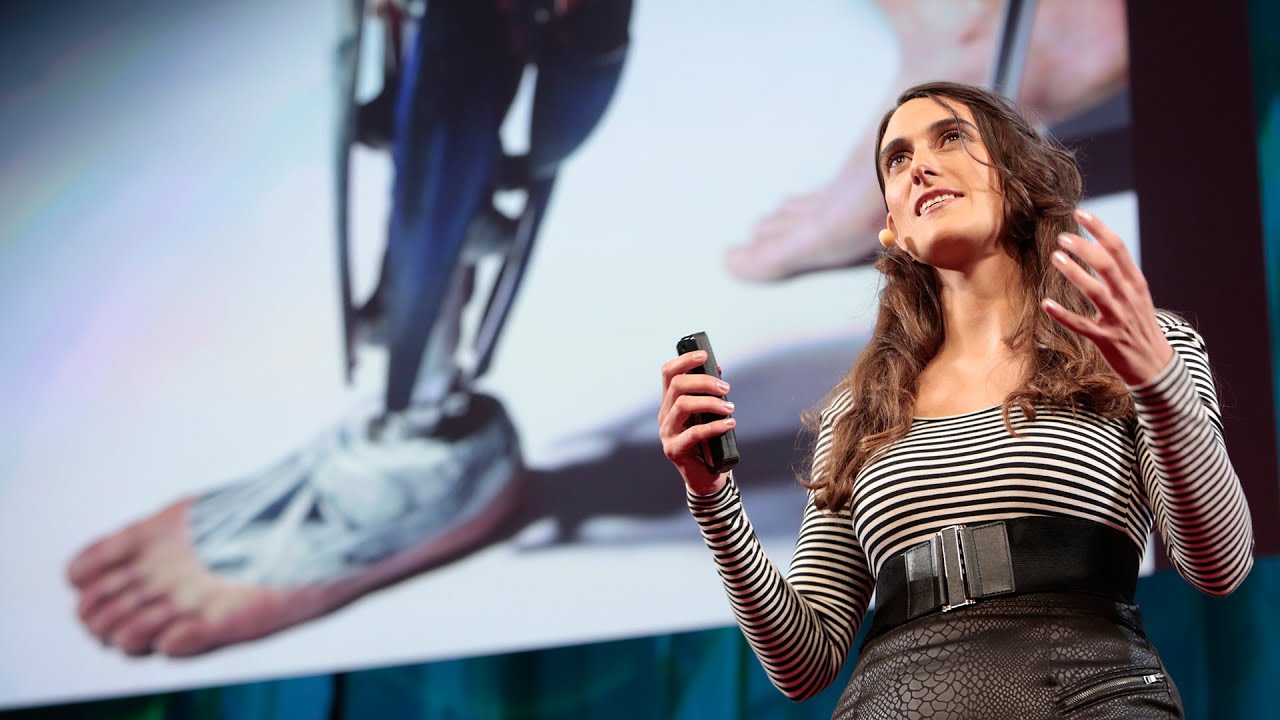
While aesthetics focus on appearance, they are always developed within the boundaries of comfort, alignment, and mechanical performance.
Why Prosthetic Aesthetics Matter
More Than Appearance
A prosthesis is not something a person uses occasionally—it becomes part of their daily life. How it looks can influence:
- Self-esteem and confidence
- Social comfort
- Willingness to wear the prosthesis consistently
- Emotional adjustment after limb loss
For many individuals, aesthetic customization helps transform a medical device into something personal and empowering.
The Evolution of Prosthetic Design
Historically, prosthetics were designed to be as discreet as possible, often attempting to mimic natural limbs closely. While realism is still important to many, today’s prosthetic aesthetics offer a broader spectrum of choices.
From Concealment to Expression
Modern prosthetic design recognizes that some individuals want:
- Realistic-looking prostheses
- Minimalist, neutral designs
- Bold, artistic statements
- Visible technology that embraces innovation
There is no single “right” aesthetic—only what aligns with the wearer’s preferences and lifestyle.
Balancing Function and Aesthetics
One of the most common concerns is whether aesthetic choices compromise function.
The Reality
Function always comes first. Aesthetic enhancements are integrated after ensuring:
- Proper alignment
- Weight distribution
- Comfort and fit
- Durability
- Safety during movement
Well-designed prosthetic aesthetics work with function, not against it.
Common Aesthetic Customization Options
1. Cosmetic Covers
Cosmetic covers can be realistic or stylized and are often removable. Options include:
- Silicone covers with lifelike texture
- Smooth, minimalist shells
- Decorative panels with patterns or graphics
2. Color and Finish Choices
Users can select:
- Neutral tones
- Bold colors
- Matte or glossy finishes
- Metallic or carbon-fiber appearances
3. Artistic and Graphic Designs
Some individuals choose designs that reflect:
- Hobbies or interests
- Cultural identity
- Artistic expression
- Personal milestones
Aesthetic Preferences Across Different Lifestyles
Prosthetic aesthetics are deeply personal and often influenced by lifestyle needs.
| Lifestyle | Common Aesthetic Preferences |
|---|---|
| Professional Work | Neutral colors, discreet designs |
| Active or Athletic | Sleek, lightweight, visible tech |
| Creative Fields | Artistic patterns or bold colors |
| Social or Public Roles | Confidence-driven, expressive designs |
These preferences can change over time—and prosthetic aesthetics can evolve alongside them.
The Psychological Impact of Prosthetic Aesthetics
Confidence and Identity
Feeling comfortable with how a prosthesis looks can:
- Reduce self-consciousness
- Improve posture and body language
- Encourage social engagement
- Support emotional healing after limb loss
Prosthetic aesthetics allow individuals to decide how they want to be seen.
Realism vs. Expression: Making the Choice
Some individuals prefer prosthetics that closely resemble a natural limb, while others embrace designs that are intentionally distinct.
Factors That Influence This Choice
- Personal comfort level
- Cultural or social expectations
- Professional environment
- Stage of adjustment after amputation
Both approaches are valid—and neither impacts the quality of the prosthetic itself.
How Materials Influence Prosthetic Aesthetics
Modern materials have expanded aesthetic possibilities significantly.
Common Materials Used
- Silicone (for realism)
- Carbon fiber (lightweight, modern look)
- Thermoplastics (durable and customizable)
- Composite materials (balance strength and appearance)
These materials allow for both visual appeal and long-term durability.
Are Aesthetic Prosthetics Practical for Everyday Use?
A common misconception is that aesthetic prosthetics are fragile or impractical.
The Reality
Well-designed prosthetic aesthetics are:
-
- Durable
- Easy to clean
- Designed for daily wear
- Adaptable to different environments
The key is choosing designs that align with daily activity levels.
The Role of the Prosthetist in Aesthetic Customization
A prosthetist helps guide aesthetic choices by:
- Ensuring compatibility with components
- Balancing weight and durability
- Advising on maintenance
- Aligning appearance with functional goals
Prosthetic aesthetics are most successful when developed collaboratively.
Prosthetic Aesthetics for Children and Teens
For younger users, aesthetics can play an especially important role.
Benefits Include
- Encouraging consistent prosthesis use
- Supporting self-expression
- Reducing feelings of being “different”
- Making adjustments feels exciting rather than stressful
Customization can grow and change as the child does.
Long-Term Considerations
Prosthetic aesthetics may evolve due to:
- Changes in activity level
- Wear and tear
- Shifting personal preferences
- Advances in materials and design
Regular check-ins allow for updates without replacing the entire prosthesis.
Final Thoughts
Prosthetic aesthetics represent an important evolution in prosthetic care—one that honors both performance and personal identity. By merging function with personal style, modern prosthetics empower individuals to move confidently and express themselves authentically.
For those exploring personalized, functional, and aesthetically thoughtful prosthetic solutions, Orthotics Ltd. offers expert guidance and customized care designed to support both mobility and individuality—every step of the way. Reach out today!
Frequently Asked Questions
1. Do prosthetic aesthetics affect performance?
No. Aesthetic elements are added only after function, comfort, and safety are ensured.
2. Can I change the look of my prosthesis later?
Yes. Many aesthetic components can be updated or replaced as preferences change.
3. Are aesthetic prosthetics more expensive?
Costs vary depending on materials and customization, but many options are scalable and adaptable.
4. Are aesthetic covers durable?
Yes. Modern materials are designed for daily use and easy maintenance.
5. Can children customize their prosthetics, too?
Absolutely. Customization can be especially helpful for confidence and acceptance in younger users.
Sources:
- https://pmc.ncbi.nlm.nih.gov/articles/PMC7340716/
- https://news.mit.edu/2024/prosthesis-helps-people-with-amputation-walk-naturally-0701
- https://pubmed.ncbi.nlm.nih.gov/19083629/
- https://www.veteranshealthlibrary.va.gov/rehab/occupationaltherapy/LowerLimbAmputation/142,88866_VA
- https://amputeestore.com/blogs/amputee-life/emotional-healing-stages-after-amputation
