

What Makes a Prosthetic Limb “Bionic”?
Key Highlights
- Bionic prosthetic limbs use advanced technology like sensors, microprocessors, and AI to mimic natural movement.
- They respond to muscle signals, pressure, and motion, allowing more intuitive control.
- Bionic limbs differ from traditional prosthetics in functionality, adaptability, and user experience.
- Modern bionic prosthetics can improve mobility, independence, and quality of life for many users.
- Not all prosthetic users need bionic limbs—the right choice depends on lifestyle, goals, and medical needs.
The Rise of Bionic Prosthetics
The word “bionic” often evokes futuristic images of superhuman strength or sci-fi technology. In reality, bionic prosthetic limbs are a rapidly evolving medical innovation designed to restore movement, function, and independence for people with limb loss.
But what actually makes a prosthetic limb bionic? How do bionic prosthetics work, and how are they different from traditional prosthetic devices? Understanding these distinctions can help individuals and families make informed decisions when exploring prosthetic options.
This guide breaks down the technology, features, benefits, and limitations of bionic prosthetic limbs in a clear, easy-to-understand way.
What Is a Bionic Prosthetic Limb?
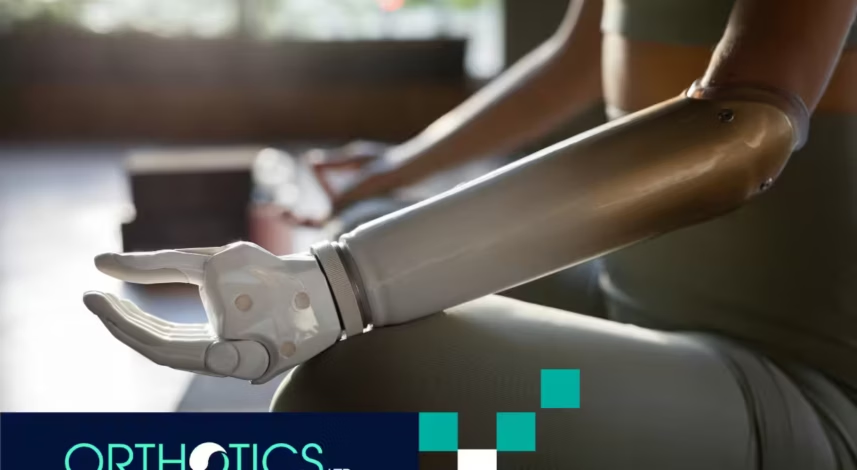
A bionic prosthetic limb is an advanced prosthetic device that integrates electronics, sensors, and microprocessors to replicate more natural limb movement. Unlike conventional prosthetics that rely mainly on body mechanics or simple controls, bionic limbs respond dynamically to the user’s body signals and environment.
At their core, bionic prosthetics aim to:
- Improve precision and control
- Reduce physical strain
- Enhance comfort and efficiency
- Mimic natural movement patterns
They are commonly used for:
- Upper-limb prosthetics (hands, wrists, arms)
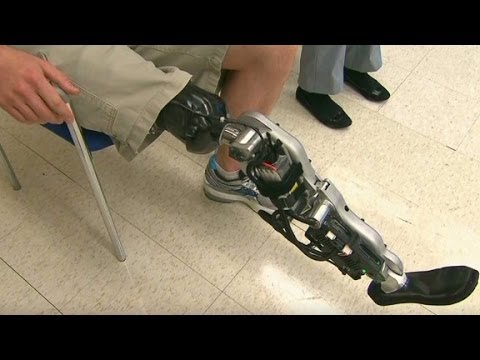
- Lower-limb prosthetics (knees, ankles, feet)
How Bionic Prosthetic Limbs Work
Bionic prosthetics operate through a combination of biological input and digital processing. Here’s a simplified breakdown:
1. Sensors Detect Movement or Muscle Signals
Most bionic limbs use sensors to detect:
- Muscle contractions (myoelectric signals)
- Pressure changes
- Weight distribution
- Joint angles and speed
These signals are picked up from the residual limb or surrounding muscles.
2. Microprocessors Interpret the Data
Once signals are detected, onboard microprocessors analyze the information in real time. The system determines the user’s intended movement—such as walking, grasping, or climbing stairs.
3. Motors Execute the Movement
Small motors or actuators then move the prosthetic joint or component accordingly. This process happens in milliseconds, allowing fluid, responsive motion.
4. Continuous Feedback and Adjustment
Many bionic prosthetics adapt continuously, learning from the user’s gait, strength, and movement patterns to improve performance over time.
Key Features That Make a Prosthetic Limb “Bionic”
Not all advanced prosthetics qualify as bionic. Several defining features set them apart.
Microprocessor-Controlled Joints
Bionic limbs often include microprocessors in:
- Knees
- Ankles
- Elbows
- Hands
These processors adjust resistance, speed, and positioning in real time.
Myoelectric Control
Myoelectric sensors detect electrical signals from muscles, allowing users to control movements simply by contracting specific muscles.
Adaptive Intelligence
Some bionic prosthetics use machine learning to adapt to:
- Walking speed
- Terrain changes
- Daily movement habits
Powered Assistance
Unlike passive prosthetics, bionic limbs can provide powered movement, helping reduce fatigue and improve efficiency.
Bionic vs. Traditional Prosthetic Limbs
Understanding the differences helps clarify whether a bionic option is appropriate.
| Feature | Traditional Prosthetic | Bionic Prosthetic |
|---|---|---|
| Control Method | Body-powered or mechanical | Sensor- and microprocessor-driven |
| Movement Adaptability | Limited | High, real-time adaptation |
| Power Source | None | Battery-powered |
| Learning Capability | No | Yes (in some models) |
| User Effort | Higher | Reduced |
| Cost | Lower | Higher |
While traditional prosthetics remain effective for many users, bionic limbs offer enhanced responsiveness and comfort for those with more complex mobility needs.
Benefits of Bionic Prosthetic Limbs
More Natural Movement
Bionic prosthetics closely mimic the timing and fluidity of natural limbs, improving gait symmetry and coordination.
Improved Stability and Safety
Advanced sensors help detect stumbles, uneven surfaces, and sudden movements—reducing the risk of falls.
Reduced Physical Strain
Powered assistance means less stress on the residual limb, joints, and lower back.
Enhanced Independence
Tasks like walking on slopes, climbing stairs, or grasping delicate objects become easier and more intuitive.
Personalized Functionality
Settings can often be customized based on activity level, lifestyle, and personal preferences.
Limitations and Considerations
Despite their advantages, bionic prosthetic limbs are not a universal solution.
Cost and Insurance Coverage
Bionic prosthetics are significantly more expensive than traditional devices, and insurance coverage may vary.
Maintenance and Charging
Battery-powered systems require regular charging and periodic servicing.
Learning Curve
Users may need time and training to fully adapt to advanced control systems.
Suitability
Not all individuals are ideal candidates due to medical conditions, activity level, or residual limb health.
A professional prosthetist evaluation is essential before choosing a bionic option.
Who Can Benefit Most from a Bionic Prosthetic?
Bionic prosthetics may be especially beneficial for individuals who:
- Lead active or physically demanding lifestyles
- Require advanced stability or precision
- Experience fatigue with traditional prosthetics
- Have sufficient muscle control for sensor input
- Want adaptive technology that evolves with their needs
That said, many users thrive with non-bionic prosthetics. The best choice depends on functional goals—not just technology level.
The Role of Rehabilitation and Training
Technology alone does not guarantee success. Rehabilitation plays a crucial role in:
- Learning proper movement techniques
- Building muscle strength
- Improving balance and coordination
- Maximizing comfort and control
Physical therapy and prosthetic training help users get the most out of bionic prosthetic limbs.
The Future of Bionic Prosthetics
Innovation continues to push boundaries. Emerging developments include:
- Neural interfaces that connect directly to the nervous system
- Sensory feedback systems that restore touch perception
- Lighter materials with greater durability
- Smarter AI-driven adaptation
As research advances, bionic prosthetics will likely become more accessible, intuitive, and personalized.
Choosing the Right Prosthetic Solution
Selecting a prosthetic limb—bionic or otherwise—is a deeply personal decision. It should consider:
- Physical needs
- Daily activities
- Long-term goals
- Budget and coverage
- Professional guidance
Working with experienced prosthetic specialists ensures the solution aligns with both functional and lifestyle needs.
Final Thoughts
Bionic prosthetic limbs represent a remarkable blend of biology and technology, offering advanced control, adaptability, and mobility for many individuals. While they are not the right choice for everyone, they have transformed what is possible in modern prosthetic care.
For those exploring advanced prosthetic and orthotic solutions, providers like Orthotics Ltd. offer expert guidance, personalized fittings, and ongoing support to help individuals find the prosthetic technology that best fits their life and goals. Contact us today!
Frequently Asked Questions
1. What makes a prosthetic limb bionic?
A prosthetic limb is considered bionic when it uses sensors, microprocessors, and powered components to interpret body signals and adapt movements in real time.
2. Are bionic prosthetic limbs better than traditional prosthetics?
Not necessarily. Bionic prosthetics offer advanced features, but traditional prosthetics may be more suitable depending on lifestyle, medical needs, and budget.
3. Do bionic prosthetics require batteries?
Yes, most bionic prosthetic limbs are battery-powered and need regular charging.
4. Can anyone use a bionic prosthetic limb?
Eligibility depends on factors such as residual limb health, muscle control, activity level, and overall medical condition.
5. How long does it take to adjust to a bionic prosthetic?
Adjustment time varies, but most users require several weeks to months of training and rehabilitation to fully adapt.
Sources:
- https://news.mit.edu/2024/prosthesis-helps-people-with-amputation-walk-naturally-0701
- https://pmc.ncbi.nlm.nih.gov/articles/PMC9987462/
- https://www.sciencedirect.com/topics/medicine-and-dentistry/myoelectric-control
- https://www.physio-pedia.com/Prosthetic_rehabilitation
- https://researchfeatures.com/future-bionic-limbs/
- https://www.forbes.com/sites/williamhaseltine/2023/10/25/bionic-breakthrough-the-future-of-bioelectronic-prosthetics/
