

What Causes Prosthetic Discomfort—and How to Fix It
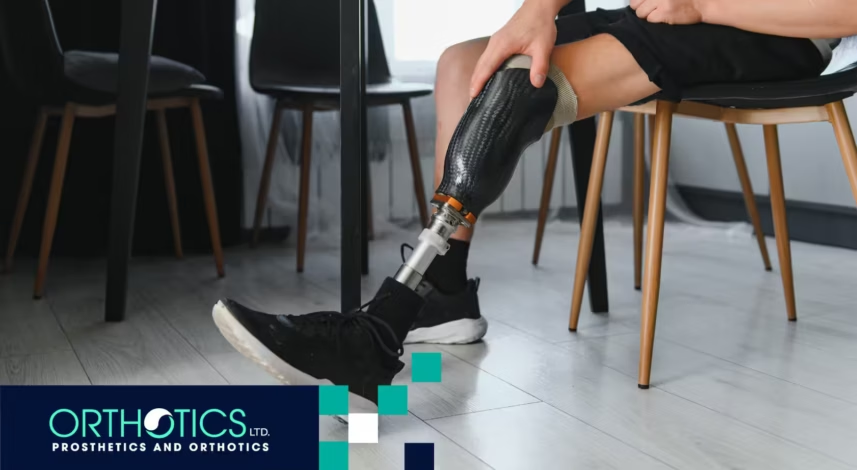
Key Highlights
- Prosthetic discomfort is common and usually linked to socket fit, skin issues, or limb changes.
- Signs include redness, swelling, blisters, pressure points, and difficulty walking.
- Main causes: poor socket fit, residual limb volume changes, skin irritation, misalignment, and overuse.
- Relief strategies: regular prosthetist check-ups, proper liners and socks, daily skin care, muscle strengthening, and gradual activity increases.
- Advanced options include custom socket modifications, adjustable or shock-absorbing components, and newer prosthetic technology.
- Seek professional help if pain persists, sores develop, or mobility declines.
Living with a prosthetic limb can be life-changing, but it sometimes comes with challenges—particularly discomfort or pain. Experiencing prosthetic discomfort is more common than many people realize, and understanding the causes is the first step toward effective prosthetic pain relief. In this guide, we’ll explore why socket discomfort occurs, what factors contribute to prosthetic pain, and practical prosthetic troubleshooting techniques to improve your comfort and mobility.
Understanding Prosthetic Discomfort
Socket discomfort is one of the most common complaints among prosthetic users. The socket is the interface between your residual limb and the prosthesis. If it doesn’t fit properly or if other issues arise, even minor ones, it can lead to pain, skin irritation, or even long-term complications.
Common signs of prosthetic discomfort include:
- Redness or skin irritation
- Pain or pressure points in specific areas of the residual limb
- Swelling or fluid buildup
- Blisters or sores
- Difficulty walking or moving naturally
Identifying these symptoms early allows for timely prosthetic troubleshooting and prevents more serious complications.
Common Causes of Prosthetic Pain
Several factors can contribute to prosthetic discomfort. Here’s a closer look:
1. Improper Socket Fit
The most common cause of prosthetic discomfort is an ill-fitting socket. Sockets that are too tight can restrict blood flow and cause pressure sores, while loose sockets can cause friction, leading to blisters or chafing.
Prosthetic troubleshooting tip: Schedule regular socket evaluations with a certified prosthetist. They can adjust the fit or recommend modifications to relieve pressure points.
2. Changes in Residual Limb Volume
Residual limbs change over time due to weight fluctuations, muscle atrophy, or swelling. A socket that once fit perfectly may become uncomfortable as your limb changes.
Prosthetic troubleshooting tip: Consider using adjustable sockets, liners, or socks to accommodate these changes. Frequent monitoring of limb volume can help you identify when adjustments are needed.
3. Skin Issues and Irritation
Skin irritation is a major contributor to prosthetic discomfort. Friction, moisture, and allergies to socket materials can all cause skin breakdown or infection.
Prosthetic troubleshooting tip:
- Maintain proper hygiene by cleaning the residual limb and socket daily.
- Use moisture-wicking liners and socks.
- Consult a dermatologist if persistent skin issues occur.
4. Incorrect Alignment
If the prosthetic limb is misaligned, it can put stress on joints and muscles, leading to pain not only at the residual limb but also in the hips, knees, or back.
Prosthetic troubleshooting tip: Have your prosthetist check the alignment periodically, especially after changes to your socket or residual limb. Small adjustments can make a big difference in comfort and gait.
5. Overuse or Activity-Related Pain
New prosthetic users or those increasing their activity level may experience temporary discomfort. Muscles, ligaments, and skin need time to adapt to new weight distribution.
Prosthetic troubleshooting tip: Gradually increase activity levels and use supportive measures such as braces or cushioning pads to reduce pressure.
How to Achieve Effective Prosthetic Pain Relief
Effective prosthetic pain relief requires a combination of proper socket care, timely adjustments, and proactive management. Here are some strategies:
1. Work Closely with Your Prosthetist
Regular check-ups are crucial for addressing socket discomfort before it worsens. Your prosthetist can:
- Adjust or reshape your socket
- Recommend liners or padding
- Evaluate alignment and gait
2. Use Liner and Sock Management
Proper liners and socks can absorb sweat, reduce friction, and allow for minor limb volume changes. Consider:
- Gel liners for cushioning and pressure relief
- Socks of varying thickness to fine-tune fit
- Moisture-wicking materials to reduce skin irritation
3. Monitor Skin Health
Healthy skin is essential for comfort. Tips for reducing irritation include:
- Inspect the residual limb daily for redness or sores
- Keep the limb and socket clean and dry
- Apply recommended skin care products
4. Strengthen Muscles
Muscle strength in the residual limb and surrounding areas can improve comfort and reduce stress on the socket. Incorporate physical therapy or home exercises to:
- Build core and leg strength
- Improve gait and balance
- Reduce compensatory movements that cause pain
5. Adjust Activity Levels Gradually
Sudden increases in walking or exercise can worsen discomfort. Use a progressive approach:
| Activity Stage | Duration | Tips for Comfort |
|---|---|---|
| Initial Walking | 5–10 min | Focus on correct gait and alignment |
| Moderate Activity | 10–20 min | Add supportive padding or socks |
| Extended Use | 20+ min | Take breaks and monitor skin |
Advanced Prosthetic Troubleshooting
For persistent discomfort, more advanced prosthetic troubleshooting may be necessary:
- Custom Socket Modifications: Your prosthetist can trim, reshape, or add padding to relieve pressure.
- Adjustable Sockets: Some modern sockets allow incremental adjustments for limb volume changes.
- Shock-Absorbing Components: Adding specialized feet or joints can reduce impact on residual limbs.
- Technology Integration: Microprocessor knees or other adaptive prosthetics can improve gait and reduce discomfort.
When to Seek Professional Help
Some prosthetic discomfort is temporary and manageable at home. However, see your prosthetist or healthcare provider if you notice:
- Persistent or worsening pain
- Open sores, blisters, or infections
- Numbness or unusual swelling
- Pain affecting your daily mobility or quality of life
Early intervention prevents complications and ensures your prosthetic continues to serve you effectively.
Final Thoughts
Prosthetic discomfort doesn’t have to be permanent. With careful prosthetic troubleshooting, regular adjustments, and attention to your residual limb, you can achieve lasting prosthetic pain relief and maintain your mobility and quality of life.
For professional guidance and custom solutions tailored to your needs, Orthotics Ltd. provides expert prosthetic and orthotic services to ensure maximum comfort and performance. Contact us today!
Frequently Asked Questions
1. How can I reduce socket discomfort quickly?
Start with proper sock management, check liner fit, and take short breaks from prosthetic use. Consult your prosthetist if discomfort persists.
2. Why does my prosthetic hurt only after walking for a while?
Pain during activity often results from overuse, friction, or socket misalignment. Gradually increase walking time and ensure the socket fits correctly.
3. Can prosthetic pain relief involve new technology?
Yes. Adjustable sockets, shock-absorbing components, and advanced prosthetic limbs can all improve comfort and reduce pain.
4. How often should I have my prosthetic checked?
At minimum, schedule professional evaluations every 3–6 months, or sooner if you experience changes in limb size, pain, or mobility.
5. Is skin care really important for prosthetic comfort?
Absolutely. Healthy skin prevents sores and infections, which are major contributors to socket discomfort. Daily inspection and cleaning are essential.
Sources:
- https://pubmed.ncbi.nlm.nih.gov/25356571/
- https://www.mayoclinic.org/diseases-conditions/residual-limb-pain/symptoms-causes/syc-20541403
- https://pmc.ncbi.nlm.nih.gov/articles/PMC5183499/
- https://pubmed.ncbi.nlm.nih.gov/18413115/
- https://pmc.ncbi.nlm.nih.gov/articles/PMC6839397/
