

Returning to Work with a Prosthetic Limb: What You Need to Know
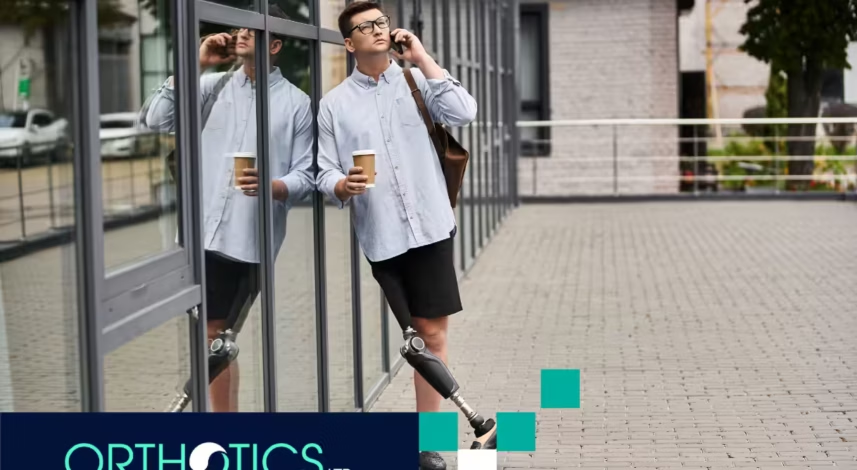
Key Highlights
- Returning to work with a prosthetic limb involves both physical and emotional adjustments, such as managing energy use, workspace ergonomics, and building confidence.
- Workplace accommodations for prosthetics may include modified workspaces, assistive technology, flexible schedules, or task reassignments—employees have the right to request reasonable adjustments.
- Understanding legal rights ensures fair treatment in the workplace, while open communication with employers and colleagues helps foster inclusivity and support.
- Different job types—office, industrial, or customer-facing—require unique strategies and adaptations to ensure comfort and safety.
- Employers play an important role by promoting awareness, offering flexibility, and creating an inclusive environment.
- Long-term success depends on prosthetic maintenance, staying updated on new technology, practicing self-care, and pursuing ongoing career growth.
Going back to work after receiving a prosthetic limb is a major milestone. It can bring excitement about regaining independence and stability, but it may also come with questions and concerns. You might wonder how your day-to-day tasks will change, what accommodations are available, or how coworkers will respond.
The reality is that many people successfully return to their careers after amputation, finding new ways to adapt and thrive. With preparation, communication, and the right tools, working with a prosthetic can be both rewarding and empowering.
This article explores the essential things you need to know when returning to work with a prosthetic limb, including adjustments, accommodations, legal rights, and long-term success strategies.
Adjusting to Work with a Prosthetic Limb
Physical Adjustments
- Energy Management: Using a prosthetic limb can require more effort, particularly during the first months. Breaks and pacing yourself help manage fatigue.
- Ergonomics: Simple changes like adjustable seating, supportive footwear, or footrests can make your workspace more comfortable.
- Device Maintenance: Regular cleaning and checkups ensure your prosthetic stays reliable throughout long workdays.
Emotional Adjustments
Adjusting emotionally is just as important as adapting physically. Many individuals feel anxious about returning to work or being seen as “different.” Strategies such as counseling, peer support groups, or role-playing workplace scenarios can help build confidence.
Workplace Accommodations for Prosthetics
Workplace accommodations are modifications that allow employees with prosthetics to perform their jobs effectively. Laws in many regions protect your right to request reasonable accommodations.
Common Accommodations
| Accommodation Type | Examples |
|---|---|
| Physical Modifications | Ramps, accessible restrooms, and adjustable desks |
| Assistive Technology | Voice-to-text software, modified keyboards, ergonomic seating |
| Flexible Work Arrangements | Adjusted schedules, hybrid or remote work, and additional breaks |
| Task Reassignment | Redistribution of strenuous physical tasks |
Requesting Accommodations
- Understand Your Rights: Review local disability protection laws before meeting with your employer.
- Be Specific: Share details about the support you need and how it helps you perform tasks effectively.
- Propose Solutions: Suggest affordable, practical adjustments to make the conversation easier for your employer.
Building Confidence at Work
Confidence is an essential part of returning to work. Here are a few strategies to strengthen it:
- Practice in Advance: Rehearse daily tasks at home before your first day back.
- Set Realistic Goals: Progress is gradual—be patient with yourself.
- Highlight Your Strengths: Focus on your skills and experience rather than limitations.
- Communicate with Colleagues: Addressing curiosity openly (when comfortable) helps reduce awkwardness and promotes understanding.
Legal Rights and Employer Responsibilities
Understanding your rights is critical when starting or returning to a job with a prosthetic limb:
- Non-Discrimination: Employers cannot deny opportunities based on disability.
- Reasonable Accommodations: You are entitled to support unless it creates undue hardship for the business.
- Privacy: You control what personal or medical information is shared.
Knowing your protections helps you advocate for yourself and ensures equal treatment.
Returning to Different Work Environments
Office Roles
-
Ergonomic chairs, adjustable desks, and mobility aids can make office work easier.
Industrial or Physical Work
-
Discuss safety measures with your employer. Specialized prosthetic attachments may support heavy-duty tasks.
Customer-Facing Jobs
-
Confidence and clear communication help ensure positive interactions with clients or customers.
Each work environment requires unique adaptations, but none prevent success when the right adjustments are in place.
Guidance for Employers
Employers are essential partners in supporting employees with prosthetics. Key practices include:
- Promoting inclusivity and respect across teams.
- Providing disability awareness training.
- Offering flexibility with tasks and schedules during the transition period.
- Encouraging feedback to improve workplace accessibility.
Long-Term Success Tips
- Prosthetic Checkups: Schedule regular appointments to keep your device comfortable and functional.
- Stay Informed: New prosthetic technology may improve efficiency and comfort at work.
- Self-Care: Balance work with rest, physical therapy, and mental health practices.
- Pursue Growth: Having a prosthetic should never limit career goals—strive for promotions, leadership roles, or new skills.
Final Thoughts
Returning to work with a prosthetic limb requires patience, preparation, and resilience. By understanding physical and emotional adjustments, seeking workplace accommodations, and building confidence, you can succeed in nearly any job environment.
At Orthotics Ltd., we understand the challenges and opportunities that come with prosthetics. Our goal is to provide solutions that not only restore function but also empower individuals to live and work with confidence. Contact us today!
Frequently Asked Questions
1. Can I work in any industry with a prosthetic limb?
Yes. With proper accommodations and the right prosthetic, people succeed in industries ranging from office jobs to manufacturing and customer service.
2. How do I request workplace accommodation prosthetics from my employer?
Explain your needs clearly, provide examples of reasonable solutions, and highlight how the changes will help you perform your role effectively.
3. Will coworkers treat me differently when I return with a prosthetic?
Some may have questions at first, but most colleagues focus on your professionalism and skills once you’re back in your routine.
4. Does having a prosthetic limb affect promotions or career advancement?
No. Prosthetics do not limit professional growth opportunities when accommodations are in place.
5. How can I manage fatigue while working with a prosthetic limb?
Take scheduled breaks, pace yourself, and build stamina gradually as you adapt to workplace demands.
Sources:
- https://pubmed.ncbi.nlm.nih.gov/11706535/
- https://www.ada.gov/resources/disability-rights-guide/
- https://www.rehab.va.gov/PROSTHETICS/psas/About_PSAS.asp
- https://seed.csg.org/policy-curricula/disability-awareness/
