


Can You Wear Custom Orthotics in Different Shoes?
Key Highlights
- Yes, most custom orthotics can move between shoes, as long as each pair has the right fit and structure.
- Three shoe features matter most: a removable insole, enough interior depth, and a firm heel counter.
- Athletic shoes, work boots, and most casual shoes are easy matches. Slim dress shoes and open sandals take more planning.
- A poor shoe match can cause heel slip, blisters, and pain, even when the orthotic itself is made well.
- Simple habits, like removing the factory insole and trying shoes on with your orthotics, prevent most problems.
- A second pair or a slimmer design can help if your shoes vary a lot.
- New pain, uneven shoe wear, or a change in activity are signs it is time to have your orthotics checked.
You finally have your custom orthotics, and they feel great in your everyday sneakers. Then the questions start. Will they fit in your work boots? What about the dress shoes you wear to a wedding, or the slippers you wear around the house? Do you need a separate pair for every shoe you own?
The short answer is that custom orthotics are designed to move with you, and most people wear one pair across several types of shoes. The longer answer is that the shoe matters just as much as the orthotic. This guide explains how to match your orthotics to different shoes, which shoes work best, which need extra care, and when a second pair makes sense.
The Short Answer: Yes, With Conditions
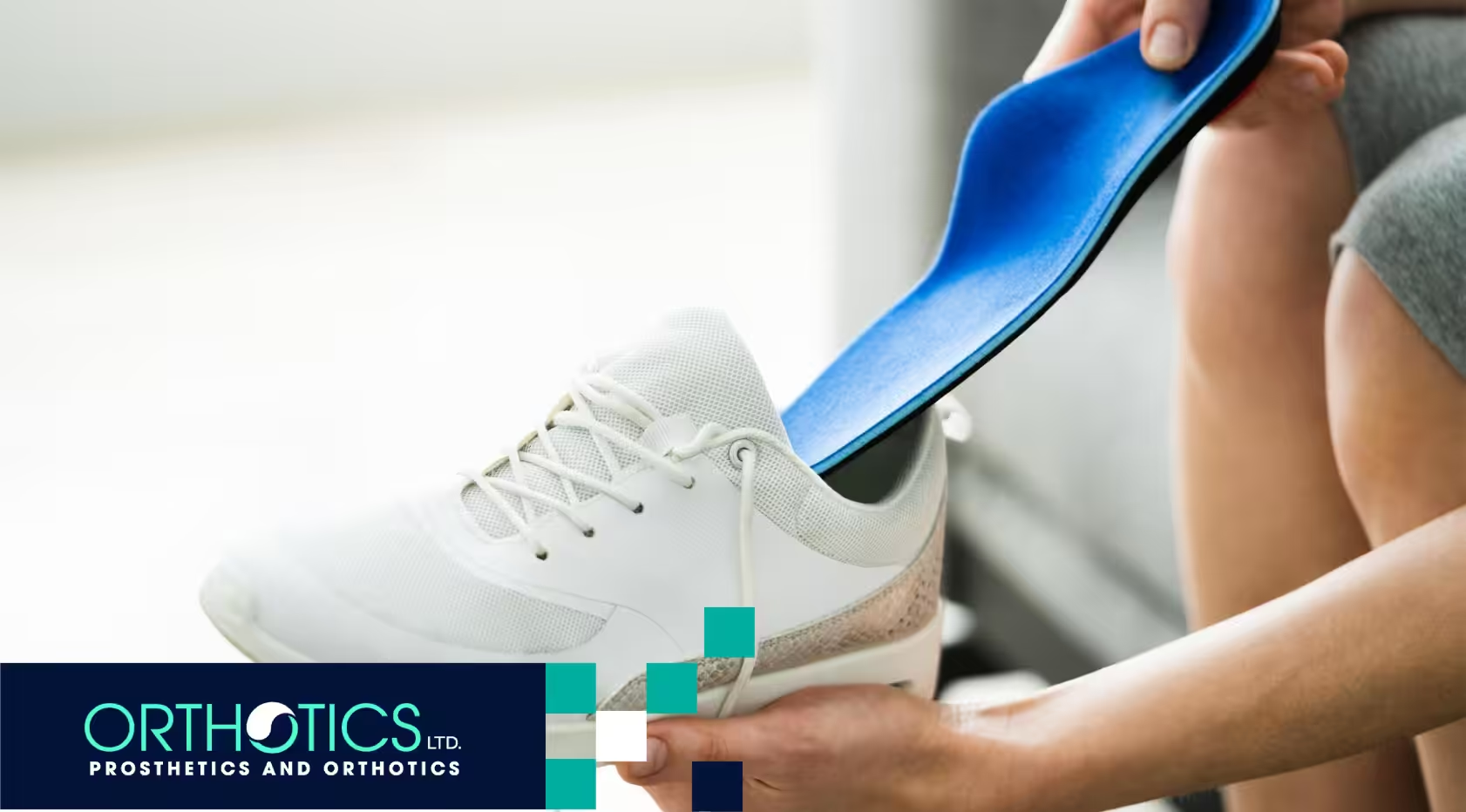
Custom orthotics are made from detailed measurements of your feet and a clinical evaluation of how you stand and walk. They support specific areas, such as the arch, heel, or ball of the foot, and guide how your foot moves with each step. Because the device is removable, it can go from one shoe to another.
But “can” and “should” are not the same thing. An orthotic only works when it sits correctly inside the shoe. If the shoe is too shallow, your heel may rise out of the back. If it is too narrow, the device can bend and lose its shape. If it is too soft and floppy, the support has nothing to work against.
So the real question is not whether the orthotic fits in a shoe. It is whether the shoe lets the orthotic do its job.
Why the Shoe Matters as Much as the Orthotic
Your orthotic controls how the foot moves, and the shoe holds the orthotic in place. Three parts of a shoe have the biggest effect:
- The heel counter. This is the firm cup at the back of the shoe that keeps your heel and orthotic steady. A soft or collapsed heel counter lets the device shift with every step.
- Insole and interior depth. A removable insole lets you swap the factory insert for your orthotic. Stacking an orthotic on top of the factory insole raises your foot, crowds your toes, and often makes the shoe feel tight.
- Midsole stiffness. A shoe that folds in the middle of the arch, instead of at the ball of the foot, works against most orthotics. Hold the heel and toe and try to twist the shoe. A good match resists twisting.
Closure matters too. Laces, straps, and hook-and-loop fasteners hold your foot over the orthotic, while slip-ons let your foot slide forward, and the orthotic can slide with it.
A Shoe-by-Shoe Guide
Athletic Shoes and Everyday Sneakers
These are usually the best match. Most have a removable insole, a roomy interior, and a supportive heel. Take out the factory insole, place your orthotic inside, and lace up. If you run or play a sport regularly, tell your provider, because sport-specific orthotics are often thinner and more flexible than daily walking pairs.
Work Boots and Safety Shoes
Work boots tend to have firm heel counters and plenty of depth, which suits orthotics well. For people who stand on concrete all day, this is often where orthotics earn their keep. Check the forefoot, though. Some steel-toe and composite-toe boots are narrower than they look, and a thick orthotic can press the toes against the cap. Never alter the protective parts of a safety shoe to make room.
Casual Shoes and Loafers
Casual shoes are hit or miss. Many canvas shoes and loafers have a glued-in insole and a shallow interior. If you cannot pull the insole out, the orthotic sits on top of it and pushes your heel upward. Look for styles that advertise a removable footbed.
Dress Shoes
Dress shoes are the biggest challenge because they are slim, shallow, and often tapered at the toe. Ask about a slimmer, dress-profile orthotic, choose lace-ups with a little extra volume, and try a half size up while confirming that your heel does not slip. Bring your dress shoes to your fitting so they can be matched to the device.
Sandals, Slippers, and Sport Boots
Most sandals have a molded footbed that is part of the shoe, so a separate orthotic does not fit. Look for sandals with a removable footbed, or ask whether a sandal-style device is an option. Many people wear orthotics all day, then walk around the house in flat, soft slippers on hard floors, so supportive indoor footwear is worth considering. Ski boots, skates, and cleats are tight and purpose-shaped, and usually need a device made specifically for them.
Quick Reference: Which Shoes Work Best
| Shoe Type | Orthotic Compatibility | What to Check | Helpful Tip |
|---|---|---|---|
| Athletic shoes | Excellent | Removable insole, toe room | Use a sport-specific design for running |
| Work boots | Very good | Forefoot width, toe cap | Never modify safety features |
| Casual sneakers | Good | Insole removability | Remove the factory insole first |
| Loafers and slip-ons | Fair | Heel slip, depth | Choose styles with a removable footbed |
| Dress shoes | Fair to challenging | Depth, toe taper | Ask about a slimmer dress-profile device |
| Sandals | Limited | Footbed type | Pick orthotic-friendly styles |
| Sport boots and skates | Specialized | Tight fit | Request a purpose-built device |
What to Look for When Shopping for Shoes
If you wear orthotics, the way you shop should change. Use this checklist:
- Bring your orthotics. Always try shoes on with the devices in them, not the factory insole.
- Take out the insole. If it comes out easily, that is a good sign. If it is glued, expect a tight fit.
- Check the heel. Walk around the store. Your heel should stay put and not lift with each step.
- Check toe room. Leave about a thumb’s width in front of your longest toe.
- Look at the orthotic. It should lie flat. Curled or buckled edges mean the shoe is too narrow or too shallow.
- Shop late in the day, when feet are slightly swollen, and the fit is more realistic.
How to Switch Between Shoes Without Problems
Moving one pair of orthotics between several shoes is easy once it becomes a habit:
- Make it a routine. Put the orthotics into tomorrow’s shoes the night before, so you never leave the house without them.
- Check left and right. A mixed-up pair is a common mistake when you are in a hurry.
- Seat the heel properly. Slide the orthotic all the way back so it meets the back of the shoe, and smooth out any wrinkles.
- Let them air out and keep them cool. Take them out at night to dry, and avoid high heat, such as a hot car, which can warp some materials.
Real Examples From Our Practice
Patterns repeat in our sessions, and a few stories show why shoe choice matters.
The warehouse worker
We saw a man in his forties who wore orthotics in his work boots and felt good during the week. On weekends, his heel pain came back. When we asked what he wore at home, the answer was flat canvas slip-ons with no support. Once he wore his orthotics in a supportive pair of casual shoes on his days off, he told us his weekend discomfort dropped noticeably.
The teacher with a blister
A schoolteacher came in with a blister on her heel. Her orthotics were fine in her sneakers, but she had moved them into a pair of shallow flats for a school event. The device raised her heel, and the shoe rubbed. We measured her dress shoes and discussed a slimmer design for those occasions. The orthotic was not the problem. The mismatch was.
What we have learned is that most “orthotic problems” turn out to be “shoe problems.”
Do You Need More Than One Pair?
Most people do fine with a single pair. A second pair, or a different design for certain shoes, can make sense when:
- Your shoes are very different. Bulky work boots and slim dress shoes rarely suit the same device.
- Convenience matters. Some people prefer to leave one pair permanently in their work shoes.
- You play a sport. Sports often need a thinner, more flexible device.
- Your pair is wearing out. Materials compress with use, and your needs can change with weight, injury, or a new job.
Breaking In and Warning Signs
New orthotics usually need a gradual break-in, often an hour or two a day at first. Avoid starting new shoes on the same day, so you can tell which one is causing a problem. Watch for these signs that a shoe and orthotic are not working together:
- Blisters, red spots, numbness, or tingling
- The orthotic edge pressing into your arch or toes
- Shoe soles that wear unevenly
- New knee, hip, or lower back aches, or heel or arch pain that returns
Mild awareness of a new device is normal in the first days. Sharp pain, numbness, or discomfort that gets worse is not. If you notice these, stop wearing that combination and have it checked.
Final Thoughts
Custom orthotics can go with you from the gym to the office to the job site, as long as each pair of shoes gives them the space and structure they need. Choosing shoes with a removable insole, good depth, and a firm heel makes that possible, and a few simple habits keep the combination comfortable.
At Orthotics Ltd., we evaluate how you walk, design orthotics for your feet, and look at your real footwear so everything works together, whether you are on your feet all day at work, training for a race, or heading to a wedding. We proudly serve patients throughout New York.
If you are unsure whether your orthotics suit your shoes, or you are ready to see how custom orthotics could help you, contact us today to schedule an appointment and bring your favorite shoes with you.
Frequently Asked Questions
1. Can I wear my custom orthotics in any shoe?
No. They work best in closed shoes with a removable insole, adequate depth, a firm heel counter, and a secure closure. Very shallow shoes, backless shoes, and many sandals do not work well. Your provider can look at your footwear and tell you which pairs are suitable.
2. Is it okay to move my orthotics between shoes every day?
Yes. Custom orthotics are made to be removable, and moving them between shoes is normal. Just make sure each pair fits properly with the orthotic inside and seat the device fully each time. If daily swapping becomes a hassle, ask about a second pair.
3. Do I need to remove the shoe’s insole first?
In most cases, yes. Take out the factory insole and replace it with your orthotic. Stacking them raises your foot and can make the shoe tight. If the insole is glued in, the shoe may not be a good fit for your orthotics.
4. Can I wear custom orthotics in sandals or flip-flops?
Usually not in standard ones, because the footbed is built into the shoe. Some sandals have a removable footbed that accepts an orthotic, and sandal-style devices exist. Ask your provider what suits your feet and routine.
5. How do I know if my shoes are too small for my orthotics?
Common signs include pressure on the tops of your toes, an orthotic that curls at the edges, heel lift, and pinching along the sides of your feet. Bring your orthotics when you shop, walk around, and check for a thumb’s width of space in front of your longest toe.
Sources:
- https://my.clevelandclinic.org/health/treatments/orthotics
- https://www.apma.org/patients-and-the-public/conditions-affecting-the-foot-and-ankle/prescription-custom-orthotics-and-shoe-inserts/
- https://www.health.harvard.edu/blog/do-i-need-orthotics-what-kind-2018102915182
- https://www.hss.edu/health-library/move-better/custom-orthotics-advice
