

Physical Therapy After Amputation (and After Getting a Prosthetic Limb)
Key Highlights
- Physical therapy begins shortly after amputation to support healing, mobility, and pain management
- Early rehab focuses on strength, balance, and preventing complications like contractures
- Prosthetic training teaches patients how to walk, grip, or function naturally with a device
- Recovery is a step-by-step process that continues long after receiving a prosthetic limb
- Emotional support and consistent therapy are just as important as physical rehabilitation
Physical therapy after amputation is not a single phase of recovery—it is a continuous, structured process that begins immediately after surgery and continues long after a prosthetic limb is fitted.
According to rehabilitation guidance from the American Academy of Orthotists and Prosthetists (AAOP) and related clinical prosthetic rehab literature, successful outcomes depend on a progressive, stage-based approach that integrates wound healing, strength building, prosthetic training, and long-term functional adaptation.
Physical therapy after amputation is a phased rehabilitation process that begins immediately post-surgery and continues through prosthetic training and long-term mobility development.
The Full Rehabilitation Roadmap
Stage 1: Immediate Post-Surgical Rehabilitation (0–2 Weeks)
Rehabilitation begins almost immediately after amputation once the patient is medically stable.
Primary goals:
- Pain control (including phantom limb pain management)
- Wound protection and healing
- Swelling reduction
- Prevention of joint stiffness and contractures
Key interventions:
- Gentle range-of-motion (ROM) exercises
- Proper limb positioning (to prevent hip or knee contractures)
- Breathing and circulation exercises
- Bed mobility and early transfer training
Clinical priority at this stage is not strength—it is protecting long-term mobility potential.
Stage 2: Pre-Prosthetic Rehabilitation (2–8+ Weeks)
This is one of the most important—but often underestimated—stages of recovery.
Before a prosthetic limb is introduced, the body must be prepared to safely support and control it.
Core goals:
- Residual limb shaping and conditioning
- Muscle strengthening (core, hip, or shoulder depending on limb loss)
- Improving balance and postural control
- Skin desensitization and tolerance training
- Preventing contractures and joint limitations
Residual limb shaping includes:
- Compression bandaging or shrinker socks
- Edema management
- Soft tissue conditioning for socket readiness
Upper vs Lower Limb Focus
Lower limb pre-prosthetic rehab:
- Standing balance training
- Weight shifting
- Hip and core strengthening
- Gait preparation without prosthesis
Upper limb pre-prosthetic rehab:
- Shoulder stability and range of motion
- Bilateral coordination training
- Sensory desensitization
- Early functional task practice
Patients who actively engage in this phase typically transition faster into prosthetic fitting and experience fewer socket-related complications.
Stage 3: Prosthetic Fitting & Early Training (6–12 Weeks)
Once healing is stable and the residual limb has matured, prosthetic fitting begins.
This stage introduces both physical and psychological adjustment.
Key therapy goals:
- Learning to don and remove the prosthesis
- Gradual wear-time progression
- Basic balance and posture training
- Socket tolerance and alignment adjustment
Early challenges include:
- Muscle fatigue
- Skin sensitivity or pressure points
- Emotional adjustment to device use
Lower Limb Focus (Early Stage):
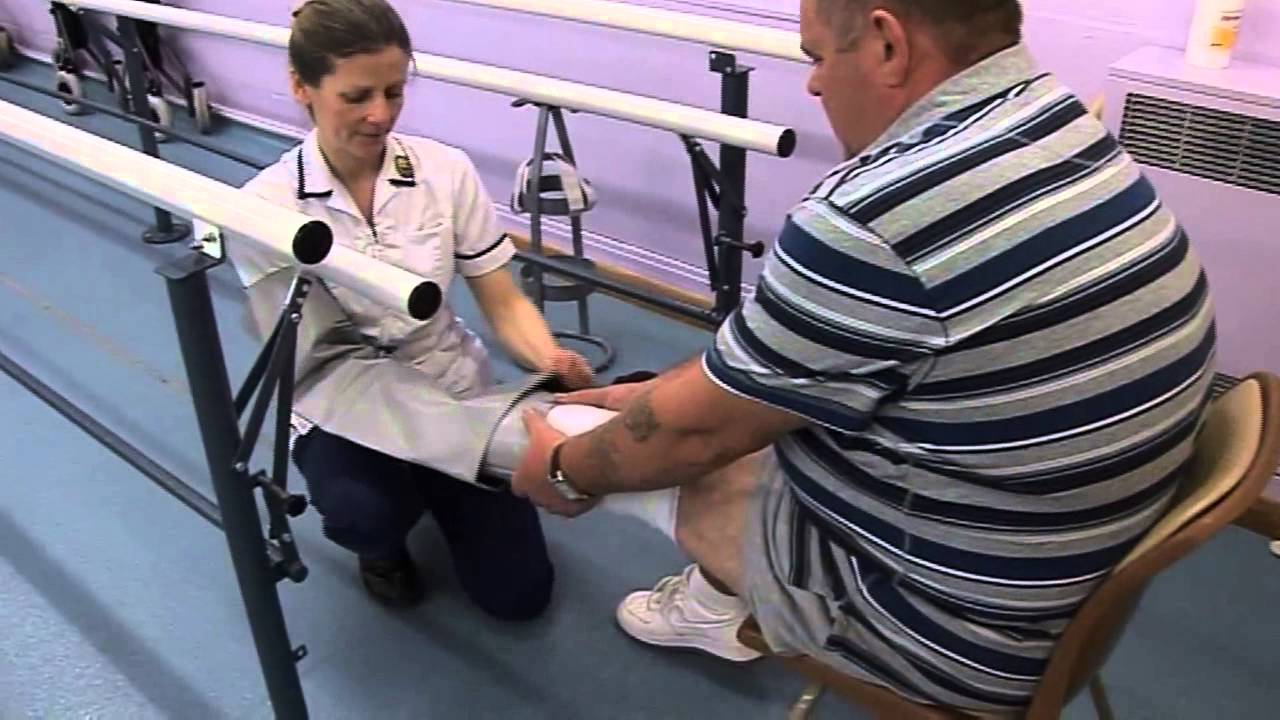
- Parallel bar walking
- Weight shifting with prosthesis
- Basic stance control
- Balance re-education
Upper Limb Focus (Early Stage):
- Opening/closing terminal devices
- Basic grip and release training
- Simple daily task simulation (cups, utensils, objects)
At this stage, progress is intentionally slow—adaptation is more important than speed.
Stage 4: Functional & Gait Training (3–6 Months)
This is where prosthetic use becomes integrated into real-life movement.
Lower Limb Advanced Training:
- Walking on different surfaces (flat, incline, uneven terrain)
- Stair ascent and descent
- Outdoor mobility training
- Fall recovery techniques
- Endurance building
Upper Limb Advanced Training:
- Bimanual coordination (using both hands together)
- Fine motor control tasks
- Work-specific task simulation
- Grip pattern refinement
Clinical Insight: In lower limb rehab, studies consistently show that transfemoral users require significantly more energy during walking—often up to ~60% more energy expenditure compared to transtibial users, which directly influences fatigue levels and training duration.
Stage 5: Advanced Independence & Return to Activity (6+ Months)
At this stage, therapy shifts from basic mobility to full participation in daily life.
Goals include:
- Independent community mobility
- Return to work or school
- Recreational and sports adaptation
- Long-term prosthetic optimization
Key focus areas:
- Endurance training
- Prosthetic adjustments and upgrades
- Activity-specific movement training
Upper vs Lower Limb Rehab Differences
Lower Limb Rehabilitation
Focus:
- Walking mechanics
- Balance and weight distribution
- Energy efficiency
Key challenge:
- Managing fatigue, especially in transfemoral users
Upper Limb Rehabilitation
Focus:
- Dexterity and coordination
- Grip strength and control
- Functional task integration
Key challenge:
- Learning device control (especially myoelectric systems)
Realistic Rehabilitation Timelines
| Phase | Timeline | Focus | Intensity |
|---|---|---|---|
| Post-Surgery | 0–2 weeks | Healing, pain control | Low |
| Pre-Prosthetic | 2–8 weeks | Strength, shaping, mobility prep | Moderate |
| Prosthetic Fitting | 6–12 weeks | Adaptation & initial use | Moderate |
| Functional Training | 3–6 months | Walking / hand function | High |
| Long-Term Rehab | 6+ months | Independence & optimization | Ongoing |
These timelines vary based on age, health status, amputation level, and prosthetic complexity.
Common Rehabilitation Challenges
1. Phantom Limb Sensation or Pain
Often treated with:
- Mirror therapy
- Guided imagery
- Desensitization techniques
2. Muscle Weakness & Deconditioning
Due to post-surgical inactivity, requiring gradual rebuilding.
3. Fear of Falling or Failure
Common in early prosthetic walking phases.
4. Socket Discomfort
A frequent barrier to consistent prosthetic use.
5. Emotional Adjustment
Body image changes and lifestyle adaptation are major psychological factors.
Evidence-Based Insight
Rehabilitation frameworks from organizations such as the American Academy of Orthotists and Prosthetists (AAOP) emphasize that:
- Early mobilization reduces long-term complications
- Structured gait and functional training improves prosthetic adoption rates
- Multidisciplinary care (PT + prosthetist + OT) leads to better outcomes
In practice, prosthetic success is strongly correlated with therapy intensity and consistency—not just device quality.
The Role of Emotional Recovery
Physical rehabilitation is only part of the process.
Effective programs often include:
- Goal setting and milestone tracking
- Peer support groups
- Counseling and psychological support
- Family involvement and caregiver education
Patients with strong emotional and social support systems consistently show:
- Higher prosthetic wear time
- Better mobility outcomes
- Greater long-term independence
Caregiver Involvement
Family and caregivers play a major role in recovery by:
- Supporting home exercises
- Encouraging prosthetic use
- Monitoring skin health
- Assisting with mobility during early stages
Long-Term Rehabilitation (Beyond 6 Months)
Even after full adaptation, therapy continues in maintenance form.
Ongoing goals:
- Preventing joint strain and overuse injuries
- Maintaining strength and endurance
- Adjusting to prosthetic upgrades or replacements
- Refining movement efficiency
When to Seek Clinical Support
Patients should return to a therapist or prosthetist if they experience:
- Persistent pain or swelling
- Difficulty using the prosthesis
- Skin breakdown or irritation
- Sudden changes in mobility or balance
- Emotional distress affecting function
Early intervention prevents long-term complications and prosthetic abandonment.
Final Thoughts
Physical therapy after amputation is a structured, evolving journey that spans healing, prosthetic adaptation, and lifelong mobility maintenance. Each phase builds on the one before it—from early wound care to advanced functional independence.
Successful outcomes depend on:
- Early and consistent rehabilitation
- Proper prosthetic fitting and alignment
- Ongoing adjustments and training
- Emotional and psychological support
For patients seeking structured prosthetic rehabilitation and expert-guided recovery programs, Orthotics Ltd. provides personalized prosthetic and orthotic solutions designed to support every stage of recovery—from surgery to full independence. Contact us today!
Frequently Asked Questions
1. When should physical therapy start after amputation?
Physical therapy typically begins within a few days after surgery, depending on medical stability.
2. How long does rehabilitation take after getting a prosthetic limb?
It varies, but most patients undergo 3–6 months of structured therapy, with ongoing maintenance afterward.
3. Is walking immediately possible with a prosthetic leg?
No. Walking is introduced gradually through gait training under therapist supervision.
4. Can physical therapy reduce phantom limb pain?
Yes. Techniques like mirror therapy and desensitization can significantly reduce symptoms.
5. Do all amputees need long-term physical therapy?
Most patients benefit from ongoing therapy to maintain mobility, prevent complications, and improve prosthetic function.
Sources:
- https://www.physio-pedia.com/Prosthetic_rehabilitation
- https://pmc.ncbi.nlm.nih.gov/articles/PMC11168600/
- https://pmc.ncbi.nlm.nih.gov/articles/PMC3037867/
- https://www.ncbi.nlm.nih.gov/books/NBK540962/
- https://www.apa.org/monitor/2024/07/developing-prosthetics
- https://pubmed.ncbi.nlm.nih.gov/39140762/
