

Coping with Limb Loss: Mental Health Resources for Amputees
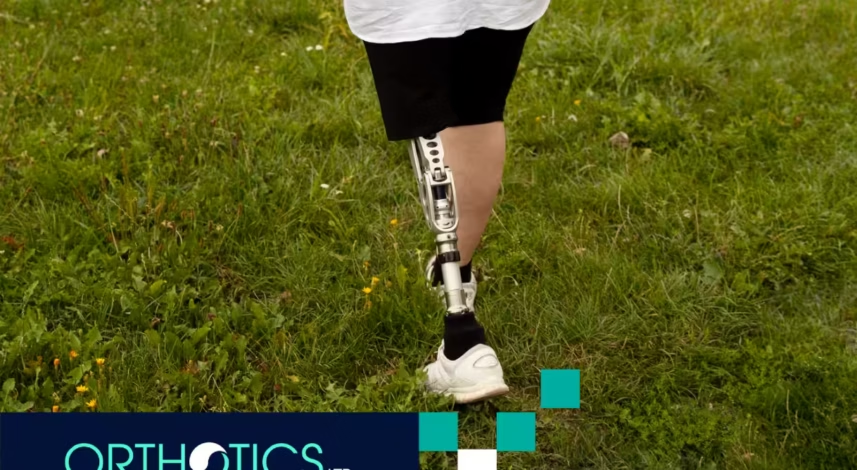
Key Highlights
- Limb loss affects both physical and emotional health—adjusting involves pain management, prosthetic training, and mental well-being.
- Common emotional responses include shock, denial, anger, depression, anxiety, and body image concerns.
- Mental health directly impacts rehabilitation—emotional recovery improves motivation, prosthetic use, and overall quality of life.
- There are different effective strategies for emotional recovery.
- Resources available: online forums, counseling, crisis hotlines, and educational materials.
- Warning signs that extra help is needed include persistent sadness, anxiety, social withdrawal, sleep issues, or overwhelming emotions.
- Long-term mental health maintenance includes setting realistic goals, building support networks, keeping routines, and staying informed about prosthetic options.
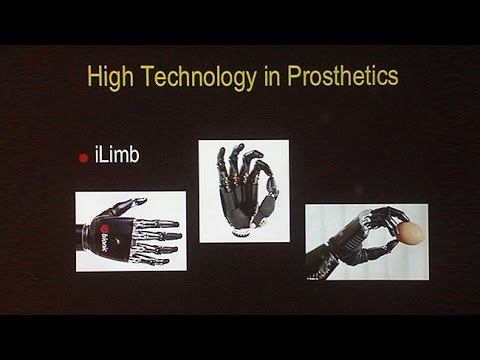
- Technology aids recovery with lighter prosthetics, adjustable components, sport-oriented devices, and virtual reality training.
- Addressing mental health after amputation is key to restoring confidence, independence, and quality of life.
Experiencing limb loss is a life-changing event, impacting not only physical mobility but also emotional well-being. Adjusting to a new reality often involves managing pain, learning to use prosthetics, and navigating social or lifestyle changes. Addressing mental health after amputation is just as crucial as physical rehabilitation.
This guide explores strategies for emotional recovery from limb loss, provides resources for support, and discusses approaches to coping with prosthetics both physically and psychologically.
Understanding the Emotional Impact of Limb Loss
The emotional effects of limb loss are profound and unique to each individual. Common experiences include:
- Shock and denial: Initial reaction to sudden loss or life changes
- Anger or frustration: Feelings of unfairness or limitations
- Depression or anxiety: Worry about future mobility, independence, and social interactions
- Body image concerns: Difficulty adjusting to appearance changes
- Adjustment challenges: Learning to use prosthetics and adapting to daily tasks
Recognizing these emotions is the first step in emotional recovery from limb loss, allowing individuals to seek appropriate support and coping strategies.
Mental Health After Amputation: Why It Matters
Mental health plays a critical role in recovery because emotional well-being directly influences:
- Physical rehabilitation outcomes
- Motivation to learn to use prosthetics effectively
- Quality of life and social engagement
- Ability to manage chronic pain or phantom limb sensations
Ignoring mental health challenges can lead to prolonged depression, social isolation, and slower recovery. Early intervention and support are key to improving outcomes.
Strategies for Emotional Recovery from Limb Loss
Several strategies help amputees manage mental health after amputation and foster emotional recovery from limb loss:
1. Seek Professional Support
- Therapists or counselors: Specializing in grief, trauma, or disability adjustment
- Psychiatrists: For evaluation and management of anxiety or depression
- Rehabilitation psychologists: Focused on coping with physical and lifestyle changes
2. Connect with Peer Support
- Local amputee support groups
- Online communities for amputees
- Mentorship programs pairing new amputees with experienced prosthetic users
Peer support reduces feelings of isolation and provides practical advice for coping with prosthetics.
3. Family and Caregiver Involvement
Family and friends play a critical role in emotional recovery:
- Offering encouragement and assistance with daily tasks
- Participating in therapy or support group sessions
- Learning about prosthetics to provide practical guidance
4. Coping Mechanisms and Stress Management
- Mindfulness and meditation: Reduce anxiety and improve mood
- Journaling: Helps process emotions and track progress
- Physical activity: Adapted exercises improve mental health and prosthetic use
- Creative outlets: Art, music, or hobbies offer positive emotional expression
5. Gradual Prosthetic Training
Adjusting to a prosthetic can be challenging. A structured approach includes:
- Short practice sessions at home
- Working with a prosthetist and physical therapist
- Gradually increasing activity levels
- Celebrating milestones to boost confidence
Resources for Mental Health After Amputation
| Resource Type | Examples / Organizations | Purpose |
|---|---|---|
| Peer Support Groups | Amputee Coalition, Limbs for Life | Emotional support, practical tips |
| Professional Counseling | Therapists, Rehabilitation Psychologists | Coping strategies, therapy for anxiety/depression |
| Online Communities | Facebook groups, Reddit amputee forums | Social connection, peer advice |
| Educational Materials | Books, webinars, prosthetic user guides | Knowledge on recovery, prosthetic use |
| Crisis Support | National Suicide Prevention Lifeline | Immediate emotional support |
Recognizing Signs You May Need Additional Help
Not all emotional responses are temporary. Seek professional support if you notice:
- Persistent feelings of sadness or hopelessness
- Anxiety interfering with daily life or prosthetic use
- Social withdrawal or avoidance of activities
- Difficulty sleeping or eating
- Emotional reactions that feel overwhelming or unmanageable
Early intervention can prevent more serious mental health issues and improve rehabilitation outcomes.
Tips for Ongoing Mental Health Maintenance
- Regular check-ins: Schedule mental health assessments alongside physical rehabilitation
- Set realistic goals: Celebrate small milestones in prosthetic use and mobility
- Develop a support network: Stay connected with friends, family, and peer groups
- Maintain routines: Consistency in daily activities reduces stress
- Stay informed: Understanding prosthetic options and training reduces anxiety
The Role of Technology in Coping with Prosthetics
Modern prosthetic devices often include features that aid both physical and emotional adjustment:
- Lighter, more comfortable prosthetic limbs reduce fatigue
- Adjustable components allow a better fit and functionality
- High-performance prosthetics support hobbies, work, and sports, boosting confidence
- Virtual reality or simulation programs provide safe training environments
Using technology effectively can improve coping with prosthetics and enhance overall well-being.
Final Thoughts
Adjusting to limb loss involves both physical and emotional recovery. Prioritizing mental health after amputation alongside physical rehabilitation is crucial for long-term well-being. Engaging in therapy, peer support, family involvement, and gradual prosthetic training can enhance emotional recovery from limb loss and help with coping with prosthetics.
For personalized guidance and resources, Orthotics Ltd. offers support and solutions for amputees, helping individuals regain mobility, independence, and confidence. Reach out today!
Frequently Asked Questions
1. How long does emotional recovery from limb loss take?
Recovery varies individually. Some adjust within months, while others may need years. Support, therapy, and gradual prosthetic training can accelerate adjustment.
2. Can prosthetic training improve mental health?
Yes. Gaining confidence and independence with prosthetics reduces anxiety, frustration, and depression.
3. Are support groups helpful for amputees?
Absolutely. Peer support provides encouragement, practical tips, and reduces feelings of isolation.
4. How can family help with emotional recovery?
Family can provide emotional support, participate in therapy, assist with daily activities, and learn about prosthetic care.
5. When should I seek professional help for mental health after amputation?
If feelings of sadness, anxiety, or hopelessness persist or interfere with daily life, consult a mental health professional promptly.
Sources:
- https://www.physio-pedia.com/Emotional_and_Psychological_Reactions_to_Amputation
- https://pmc.ncbi.nlm.nih.gov/articles/PMC8225497/
- https://medicine.umich.edu/dept/pmr/patient-care/therapeutic-other-services/orthotics-prosthetics/u-can-amputee-support-group
- https://pamhealth.com/resources/coping-with-limb-loss-tips-and-strategies/
- https://pmc.ncbi.nlm.nih.gov/articles/PMC7340716/
