

How Gait Analysis Helps Create Better Prosthetic Solutions
Key Highlights
- Gait analysis is essential for designing accurate, comfortable, and functional prosthetic solutions
- It identifies movement imbalances that are not visible during standard physical exams
- Data-driven insights help customize prosthetics for better alignment and efficiency
- Real-world case examples show improved walking speed, balance, and comfort
- Continuous reassessment ensures long-term prosthetic success and adaptation
Understanding Gait Analysis in Prosthetic Care
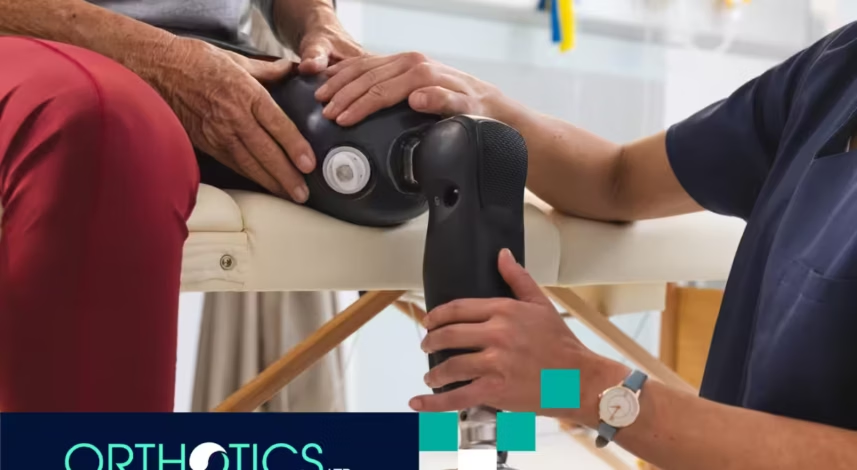
Gait analysis is the systematic study of how a person walks. In prosthetic care, it plays a critical role in understanding movement patterns, identifying imbalances, and designing devices that restore natural mobility.
Walking may seem simple, but it is a highly complex process involving the coordination of muscles, joints, balance systems, and prosthetic components (when applicable). Even small misalignments can significantly affect comfort, energy use, and long-term musculoskeletal health.
In clinical practice, we’ve seen that patients often underestimate how much their gait changes after limb loss or injury. Without detailed analysis, prosthetic solutions may only partially address the issue, leading to discomfort or inefficient movement.
Gait analysis helps bridge that gap by turning movement into measurable, actionable data.
Why Gait Analysis Matters in Prosthetic Design
Prosthetics are not one-size-fits-all solutions. Each individual has unique biomechanics, lifestyle needs, and mobility goals. Gait analysis ensures that prosthetic devices are tailored precisely to those needs.
Key reasons it is essential:
- Identifies asymmetries in walking patterns
- Detects compensatory movements that may cause pain
- Improves prosthetic alignment and socket fit
- Enhances energy efficiency during walking
- Reduces long-term strain on joints and muscles
We’ve seen in practice that patients who undergo detailed gait analysis before prosthetic fitting tend to adapt faster and report higher satisfaction levels.
What Happens During a Gait Analysis?
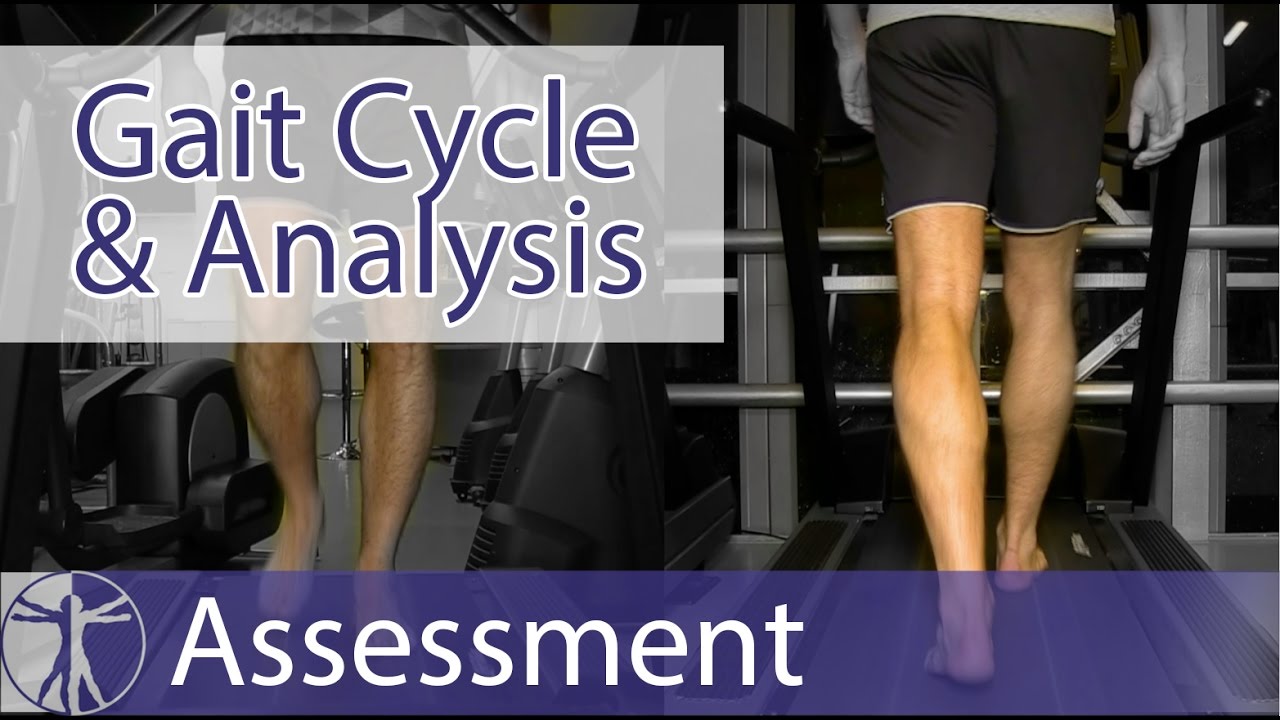
A gait analysis assessment is typically performed in a clinical or rehabilitation setting using both visual observation and advanced technology.
Step-by-step process:
- Initial Consultation: Understanding medical history, amputation level, and mobility goals
- Physical Assessment: Evaluating muscle strength, joint flexibility, and residual limb condition
- Walking Observation: Watching the patient walk at different speeds and surfaces
- Technology-Assisted Measurement: Using pressure sensors, motion capture, or force plates
- Data Interpretation: Analyzing stride length, symmetry, and joint loading
- Prosthetic Adjustment Planning: Designing or modifying prosthetic components based on findings
In our sessions, we’ve observed that even subtle adjustments based on gait data can significantly improve comfort and mobility.
Key Metrics Measured in Gait Analysis
| Metric | What It Measures | Why It Matters in Prosthetics |
|---|---|---|
| Step Length | Distance between steps | Ensures symmetry and balance |
| Cadence | Steps per minute | Indicates walking efficiency |
| Stance Phase | Time foot is on the ground | Affects stability and load distribution |
| Swing Phase | Time foot is in the air | Impacts the smoothness of motion |
| Ground Reaction Force | Force exerted on the ground | Helps prevent joint strain |
| Joint Angles | Hip, knee, ankle movement | Guides prosthetic alignment |
Each of these metrics contributes to a deeper understanding of how a prosthetic device should be designed or adjusted.
How Gait Analysis Improves Prosthetic Solutions
1. Better Socket Fit and Comfort
The socket is one of the most critical parts of a prosthetic limb. Poor fit can lead to pain, skin irritation, or instability.
Gait analysis helps identify pressure points and alignment issues that may not be visible during static fitting.
We’ve seen patients who previously struggled with socket discomfort experience immediate improvement after gait-based adjustments.
2. Improved Balance and Stability
Balance is often compromised after limb loss. Gait analysis helps determine how weight is distributed between limbs and whether compensatory movements are occurring.
By correcting these imbalances, prosthetics become more stable and predictable during movement.
3. Reduced Energy Expenditure
Walking with a prosthetic limb requires more energy than natural walking. Inefficient gait patterns can increase fatigue.
Gait analysis allows clinicians to refine prosthetic alignment, reducing unnecessary effort.
In many cases, patients report being able to walk longer distances with less fatigue after optimization.
4. Prevention of Secondary Injuries
Poor gait mechanics can lead to long-term issues such as:
- Lower back pain
- Hip strain
- Knee degeneration
By identifying abnormal movement early, gait analysis helps prevent these complications.
5. Enhanced Mobility Confidence
Beyond physical improvements, gait optimization has psychological benefits.
We’ve seen patients regain confidence in walking, returning to work, travel, and social activities more comfortably after adjustments informed by gait data.
Real-Life Case Studies from Clinical Practice
Case Study 1: Above-Knee Prosthetic User with Instability
A 45-year-old patient using an above-knee prosthesis reported frequent imbalance and difficulty walking on uneven surfaces.
Gait analysis revealed:
- Shortened stance phase on prosthetic side
- Compensatory hip movement
- Uneven weight distribution
After prosthetic realignment and component adjustment:
- Stability improved significantly
- Walking became more symmetrical
- Falls risk reduced
We’ve seen similar outcomes when gait data is used to fine-tune alignment parameters.
Case Study 2: Active Individual Returning to Work
A 32-year-old individual returning to an active job required improved endurance and walking efficiency.
Gait analysis identified:
- Excessive energy use during the mid-stance phase
- Over-reliance on sound limb
- Poor knee alignment during the swing phase
After prosthetic redesign:
- Walking efficiency improved
- Fatigue decreased
- Return-to-work timeline accelerated
Case Study 3: Elderly Patient with Limited Mobility
An elderly patient struggled with short walking distances and frequent rest breaks.
Gait assessment showed:
- Reduced cadence
- Short step length
- Fear-based gait compensation
With prosthetic adjustment and therapy:
- Step length improved
- Confidence increased
- Mobility independence improved
In our clinical experience, older patients often benefit significantly from small, incremental gait corrections.
Gait Analysis Technologies Used Today
Modern prosthetic care uses advanced tools for precise measurement:
- 3D motion capture systems
- Pressure-sensitive walkways
- Wearable motion sensors
- Video-based gait tracking
- Force plate analysis
These technologies allow clinicians to move beyond observation and into data-driven decision-making.
Integrating Gait Analysis with Prosthetic Fitting
Gait analysis is not a one-time process. It is integrated throughout the prosthetic journey:
Before fitting:
- Establish baseline movement patterns
During fitting:
- Ensure alignment matches natural biomechanics
After fitting:
- Monitor adaptation and refine adjustments
Long-term:
- Track changes due to muscle development or lifestyle shifts
We’ve seen that ongoing gait monitoring leads to significantly better long-term outcomes compared to static fitting alone.
Common Misconceptions About Gait Analysis
“It’s only needed for athletes.”
False. Gait analysis benefits all prosthetic users, regardless of activity level.
“Once done, it doesn’t need repeating.”
Incorrect. Gait changes over time due to adaptation, weight changes, and muscle development.
“It’s purely visual observation.”
Modern gait analysis uses advanced technology for precise measurement, not just observation.
Long-Term Benefits of Gait-Based Prosthetic Design
- More natural walking patterns
- Reduced joint stress
- Lower risk of injury
- Improved endurance
- Greater independence in daily life
In practice, patients who undergo gait-guided prosthetic optimization consistently report higher satisfaction and better mobility outcomes.
Final Thoughts
Gait analysis is a cornerstone of modern prosthetic care. By transforming walking patterns into measurable data, clinicians can design prosthetic solutions that are more precise, comfortable, and effective.
From improving socket fit to enhancing balance and reducing fatigue, gait analysis ensures that prosthetic users can move with greater confidence and efficiency.
In real-world clinical practice, it has proven to be one of the most valuable tools for achieving long-term mobility success.
For individuals seeking expert evaluation and personalized prosthetic solutions based on advanced movement analysis, Orthotics Ltd. provides specialized care designed to restore comfort, confidence, and independence. Reach out today!
Frequently Asked Questions
1. What is gait analysis in prosthetic care?
Gait analysis is a clinical assessment of how a person walks. It measures movement patterns, balance, and force distribution to improve prosthetic design and alignment.
2. Why is gait analysis important for prosthetic users?
It helps identify walking imbalances and compensations that can cause discomfort, inefficiency, or long-term joint strain if not corrected.
3. How long does a gait analysis session take?
A typical session may take 30 minutes to an hour, depending on the complexity of the patient’s condition and whether technology-assisted tools are used.
4. Do all prosthetic users need gait analysis?
While not always mandatory, it is highly recommended because it significantly improves comfort, fit, and long-term mobility outcomes.
5. Can gait analysis improve existing prosthetics?
Yes. It can be used to adjust and refine existing prosthetic devices to improve alignment, reduce pain, and enhance walking efficiency.
Sources:
- https://pmc.ncbi.nlm.nih.gov/articles/PMC3958266/
- https://www.physio-pedia.com/Gait
- https://pubmed.ncbi.nlm.nih.gov/25785790/
- https://pubmed.ncbi.nlm.nih.gov/29599517/
- https://med.stanford.edu/stanfordmedicine25/the25/gait.html
