

How Custom Prosthetics Solve Uncommon Challenges
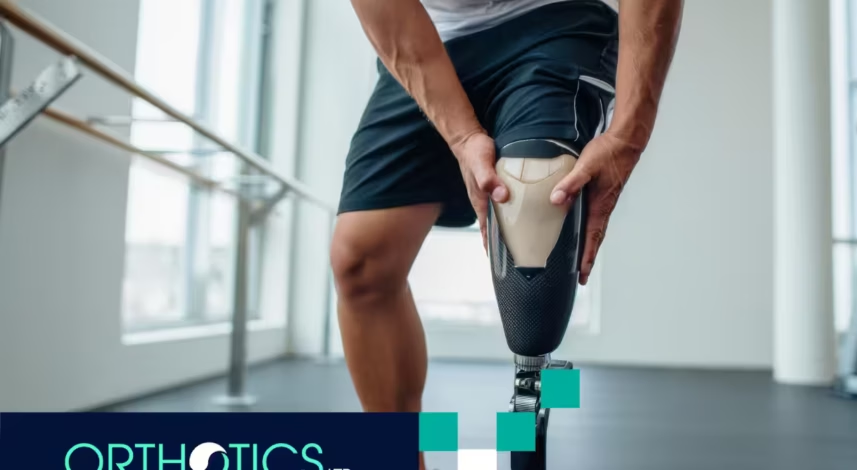
Key Highlights
- Custom prosthetics address unique challenges that standard devices cannot.
- Personalized designs improve comfort, functionality, and daily mobility.
- Advanced materials, 3D printing, and sensor integration enable precise customization.
- Real-life case studies show how tailored solutions restore independence and confidence.
- Collaboration with prosthetists and rehabilitation specialists is critical for success.
Every individual’s needs are unique, and so are the challenges they face when living with limb differences. Standard prosthetics often provide a basic level of mobility, but for many users, uncommon challenges—such as irregular limb shapes, rare amputation types, or highly specific lifestyle demands—require custom solutions.
Custom prosthetics are designed to fit the wearer’s anatomy, lifestyle, and functional goals. By combining advanced technology, precision engineering, and personalized design, these devices can restore independence, enhance mobility, and improve quality of life in ways that off-the-shelf prosthetics cannot.
Understanding Uncommon Prosthetic Challenges
Not every patient fits the mold for traditional prosthetic designs. Some of the uncommon challenges include:
- Unusual amputation types: Partial foot, wrist disarticulation, or rare upper-limb amputations.
- Residual limb irregularities: Scar tissue, bony prominences, or sensitive skin that requires specialized socket designs.
- High-activity demands: Athletes, performers, or workers in physically demanding roles need prosthetics tailored for performance.
- Aesthetic or social considerations: Some users prioritize prosthetics that blend with personal style or appearance.
Case Study: Partial Foot Amputation
In our sessions, we worked with Liam, a patient with a rare partial foot amputation. Standard prosthetics caused discomfort and reduced mobility. After designing a custom carbon-fiber foot with a pressure-relieving socket, Liam regained his ability to walk long distances and even resumed light jogging. This case demonstrates how a tailored solution can overcome challenges that standard devices cannot address.
The Role of Customization in Prosthetics
Customization in prosthetics can address issues in several ways:
- Socket Design: Ensures comfort and proper alignment with the residual limb.
- Material Selection: Lightweight carbon fiber, flexible silicone, or durable titanium for activity-specific needs.
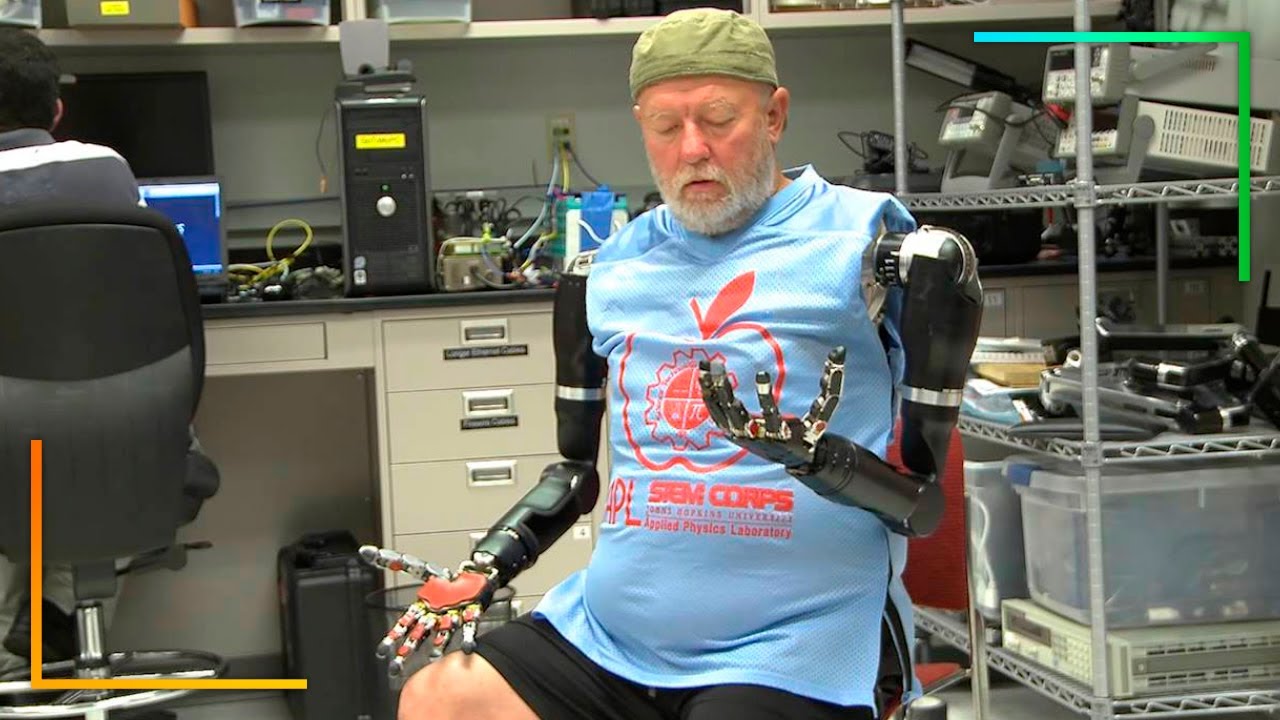
- Functional Components: Microprocessor knees, myoelectric hands, or adaptive feet for specialized tasks.
- Aesthetic Options: Realistic skin tones, cosmetic covers, or artistic designs for self-expression.
Technologies Enabling Custom Prosthetics
Recent technological advancements have revolutionized prosthetic customization:
- 3D Scanning and Printing: Creates precise sockets and components tailored to the user’s anatomy.
- Sensor Integration: Monitors gait, pressure, and movement to optimize alignment and performance.
- Microprocessor Control: Allows real-time adjustments for stability, terrain adaptation, and energy efficiency.
- Computer-Aided Design (CAD): Enables intricate designs for both function and aesthetics.
Technologies & Benefits in Custom Prosthetics
| Technology | Benefit | Example Use Case |
|---|---|---|
| 3D Printing | Precise fit, rapid prototyping | Rare limb shapes, pediatric growth adjustments |
| Sensors | Real-time feedback, gait optimization | Uneven terrain, rehabilitation monitoring |
| Microprocessor Limbs | Adaptive movement, safety | Active adults, athletes |
| CAD | Detailed customization for function & aesthetics | Cosmetic prosthetic covers, specialized sockets |
Real-Life Applications and Case Studies
Case Study 1: Upper-Limb Myoelectric Prosthetic
Sarah, a violinist with a transradial amputation, needed precise finger control for playing her instrument. Standard prosthetics lacked dexterity. By designing a custom myoelectric prosthetic with fine motor control, she resumed professional performances, highlighting how specialized designs restore career functionality.
Case Study 2: Pediatric Prosthetic Growth
In our sessions, we supported 8-year-old Ethan, whose limb was still growing. Standard prosthetics required frequent replacements. Using modular components and a 3D-printed adjustable socket, he was able to use a single prosthetic with iterative adjustments, minimizing cost and disruption.
Case Study 3: Active Lifestyle Adaptation
Jordan, a rock climber with a below-elbow amputation, struggled with off-the-shelf prosthetics that could not withstand high torque. A custom-designed carbon-fiber arm with reinforced attachment points and modular grip attachments allowed him to continue climbing safely and efficiently.
These examples demonstrate how personalized prosthetics address uncommon challenges that standard designs cannot.
Collaboration Between Users and Prosthetists
The success of custom prosthetics depends on collaboration:
- Assessment: Evaluating anatomy, lifestyle, and functional goals.
- Design Iteration: Creating prototypes, testing fit, and refining based on feedback.
- Rehabilitation: Training for proper use, optimizing gait, and preventing secondary injuries.
Example from Practice
We’ve seen patients achieve greater mobility and confidence when involved in the design process. One patient, Mia, reported improved comfort and willingness to wear her prosthetic throughout the day after providing input on socket fit and aesthetic preferences.
Functional Considerations in Custom Prosthetics
Functionality is critical when solving uncommon challenges:
- Mobility and Stability: Ensuring alignment for walking, running, or specialized tasks.
- Durability: Materials must withstand lifestyle demands without frequent failures.
- Interchangeable Components: For pediatric patients, athletes, or those with variable activity levels.
- Comfort and Skin Health: Custom liners reduce friction, irritation, and pressure sores.
Psychological and Social Impact
Custom prosthetics affect more than physical ability:
- Confidence: Feeling secure in social, professional, and athletic settings.
- Self-Expression: Personalized aesthetics allow identity and personality to shine.
- Independence: Reduces reliance on caregivers, improving daily autonomy.
Case Study: Social Reintegration
Alex, a below-knee amputee, initially avoided social events due to discomfort with standard prosthetics. A custom prosthetic foot with tailored socket alignment and a sleek, modern design restored both mobility and confidence, enabling him to re-engage socially and professionally.
Maintenance and Longevity
Custom prosthetics require ongoing care:
- Daily cleaning and inspection for wear.
- Scheduled follow-ups with prosthetists for alignment and component checks.
- Replacement of modular components for growing children or high-activity users.
In our sessions, patients adhering to structured maintenance plans reported fewer complications and longer device lifespan.
Final Thoughts
Custom prosthetics solve uncommon challenges by combining:
- Tailored fit for unusual limb shapes and sensitive skin.
- Advanced materials and technology for durability and function.
- Personalization for lifestyle, aesthetics, and social confidence.
- Collaborative design and ongoing rehabilitation for optimal outcomes.
By addressing unique challenges, custom prosthetics restore independence, functionality, and quality of life in ways standard devices cannot.
For expert guidance in designing personalized prosthetics for uncommon challenges, professionals at Orthotics Ltd. provide tailored assessments, cutting-edge solutions, and ongoing support to ensure the best possible outcomes for every patient. Reach out today!
Frequently Asked Questions
1. What makes a prosthetic “custom”?
Custom prosthetics are designed to fit the wearer’s anatomy, lifestyle, and functional needs, often incorporating advanced materials, sensors, and personalized aesthetics.
2. Can custom prosthetics handle high-activity demands?
Yes. They can be designed for sports, outdoor activities, or specialized work environments with durable materials and modular components.
3. Are custom prosthetics more expensive than standard ones?
Costs vary based on materials, complexity, and technology. However, the long-term benefits, improved functionality, and fewer replacements often offset initial costs.
4. How long does it take to design and fit a custom prosthetic?
Typically, the process involves several weeks, including assessment, design, prototyping, fitting, and rehabilitation training.
5. Can children use custom prosthetics as they grow?
Yes. Pediatric prosthetics can incorporate adjustable or modular components to accommodate growth and minimize frequent replacements.
Sources:
- https://www.sciencedirect.com/topics/engineering/customized-prosthetics
- https://pmc.ncbi.nlm.nih.gov/articles/PMC7340716/
- https://news.uchicago.edu/story/making-prosthetic-limbs-feel-more-real-brain-computer-interfaces
- https://www.physio-pedia.com/Prosthetic_rehabilitation
- https://www.uclahealth.org/medical-services/rehab/our-services/prosthetics-and-orthotics
