

How Follow-Up Services Improve Prosthetic Outcomes
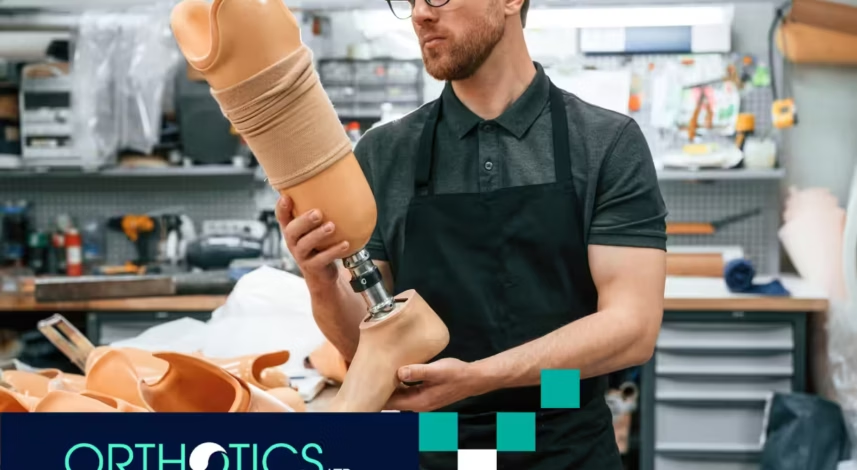
Key Highlights
- Regular follow-up ensures prosthetics fit correctly and function optimally.
- Follow-up services help prevent discomfort, skin issues, and improper gait patterns.
- Ongoing therapy and training maximize mobility and independence.
- Adjustments and upgrades improve long-term prosthetic performance.
- Emotional support and education empower users and caregivers.
A prosthetic limb is more than a device—it is a tool that enables mobility, independence, and confidence. However, a prosthetic’s effectiveness doesn’t stop at the initial fitting. Follow-up services are crucial for ensuring that the prosthetic continues to meet the user’s evolving needs, accommodates growth or lifestyle changes, and functions safely and comfortably over time.
This article explores the importance of follow-up services for prosthetic users, detailing how regular check-ins, therapy, and adjustments improve outcomes, prevent complications, and enhance quality of life.
The Role of Follow-Up Services
Follow-up services encompass all care and support provided after a prosthetic fitting, including:
- Socket adjustments: Ensuring the residual limb fits comfortably in the prosthetic socket.
- Alignment checks: Optimizing gait patterns and reducing strain on the body.
- Component maintenance: Inspecting and replacing worn parts or upgrading technology.
- Therapy and training: Supporting balance, strength, and functional mobility.
- Education and guidance: Teaching users and caregivers how to care for the prosthetic.
These services are essential for both new users learning to adapt and experienced users adjusting to life changes, activity levels, or growth (in children).
Ensuring Proper Fit and Comfort
The comfort of a prosthetic is critical for long-term use. Poorly fitting sockets can cause:
- Skin irritation, sores, or pressure points
- Muscle fatigue or pain
- Compensatory movement patterns that affect gait
Follow-up services ensure the socket and suspension system are adjusted regularly to prevent discomfort and maintain proper alignment.
Pro Tip: Even minor adjustments can significantly improve comfort and natural movement.
Improving Function and Mobility
Follow-up care supports functional improvements by:
- Correcting gait deviations caused by misalignment or limb changes
- Adjusting prosthetic components for specific activities such as sports or work tasks
- Incorporating new technology to enhance mobility and energy efficiency
Therapists often work closely with prosthetists to develop personalized training plans, helping users maximize their prosthetics’ potential.
Common Follow-Up Interventions and Benefits
| Intervention | Purpose | Outcome |
|---|---|---|
| Socket adjustment | Relieve pressure, improve fit | Reduced discomfort, better limb control |
| Alignment tuning | Optimize gait | Improved balance and walking efficiency |
| Component upgrade | Enhanced mobility | Greater energy return, smoother movement |
| Therapy sessions | Strength, balance, coordination | Increased independence and confidence |
| Education & guidance | Daily care, troubleshooting | Fewer complications, longer prosthetic life |
Preventing Complications
Regular follow-up services help prevent common prosthetic complications:
- Skin breakdown: Adjusting the socket and using liners reduces friction.
- Joint or muscle strain: Proper alignment and strengthening exercises prevent overuse injuries.
- Device malfunction: Routine inspections and maintenance ensure components work properly.
Proactive care minimizes disruptions, allowing users to remain active and engaged in daily life.
Adapting to Life Changes
Follow-up services are particularly important as users’ needs evolve:
- Children: Growth requires frequent socket adjustments and possible prosthetic replacement.
- Adults: Changes in weight, activity level, or health conditions may require component modifications.
- Active users: Sports, work, or new physical challenges may necessitate specialized training or equipment upgrades.
These adaptations ensure that the prosthetic continues to meet lifestyle needs safely and efficiently.
Therapy and Rehabilitation
Physical and occupational therapy are integral parts of follow-up care:
- Balance and coordination training: Helps users feel confident on uneven terrain or stairs.
- Strengthening exercises: Core and residual limb muscles are strengthened for optimal control.
- Functional task training: Daily activities, from climbing stairs to picking up objects, are practiced to build independence.
Ongoing therapy enhances the user’s ability to integrate the prosthetic seamlessly into everyday life.
What to Expect at a Follow-Up Appointment
Every follow-up visit is centered on how the prosthetic is performing in daily life. The prosthetist typically starts with a socket check, examining the residual limb for redness, pressure points, or signs of irritation, then confirms the fit is still snug and supportive. Next comes a gait review, where the user walks so the prosthetist can spot any imbalance, limping, or compensatory movement that may have developed since the last visit. Based on these findings, adjustments are made on the spot, whether that means reshaping the socket, tightening components, or recalibrating alignment. The visit is also a chance to test the prosthetic during real movements like sitting, stairs, or specific activities the user is training for. Appointments often close with a conversation about any new discomfort, upcoming lifestyle changes, or questions about care and maintenance, so the plan stays current with the user’s needs.
Emotional and Educational Support
Follow-up care is not just physical—it also addresses emotional and educational needs:
- Users may experience frustration, anxiety, or fear of falling, which can impact confidence.
- Education on proper care, troubleshooting, and realistic expectations empowers users and caregivers.
- Support groups or counseling may help with adaptation and motivation.
This holistic approach ensures prosthetic users achieve their full potential in mobility, independence, and confidence.
The Long-Term Benefits of Follow-Up Services
Consistent follow-up care results in:
- Improved prosthetic performance and longevity
- Higher user satisfaction and confidence
- Fewer complications and healthcare costs
- Enhanced quality of life and independence
Regular engagement with prosthetists, therapists, and support staff maximizes the value of the prosthetic and fosters long-term success.
Final Thoughts
Follow-up services are essential for achieving optimal prosthetic outcomes. From ensuring proper fit and comfort to supporting mobility, preventing complications, and adapting to life changes, follow-up care is a cornerstone of prosthetic success. By integrating therapy, adjustments, and ongoing education, users can enjoy a more natural, functional, and comfortable experience.
For individuals in New York seeking comprehensive follow-up services and expert guidance, Orthotics Ltd. provides personalized care, ongoing adjustments, and therapy support to help prosthetic users thrive. Our New York clinic conveniently serves patients from Orange County, Rockland County, the Hudson Valley region, and surrounding communities, and our additional prosthetic services make ongoing follow-up care, adjustments, and repairs easy to access. Reach out today!Frequently Asked Questions
1. How often should I schedule follow-up appointments?
Follow-ups are typically recommended every 3–6 months, or sooner if discomfort, growth, or activity changes occur.
2. Can follow-up services prevent prosthetic complications?
Yes. Regular assessments, socket adjustments, and therapy help prevent skin issues, joint strain, and device malfunctions.
3. Do children need more frequent follow-ups than adults?
Yes. Growing children require more frequent adjustments and monitoring to accommodate changes in limb size and alignment.
4. Is therapy necessary for prosthetic use?
While not mandatory, therapy greatly improves balance, strength, coordination, and overall prosthetic functionality.
5. Can follow-up services include prosthetic upgrades?
Absolutely. Follow-ups can involve component upgrades, alignment changes, or new technology integration to enhance mobility and comfort.
Sources:
- https://pmc.ncbi.nlm.nih.gov/articles/PMC3997505/
- https://www.limbs4life.org.au/prosthetics/sockets-and-socket-fit
- https://pmc.ncbi.nlm.nih.gov/articles/PMC7853327/
- https://www.merckmanuals.com/home/special-subjects/limb-prosthetics/skin-care-of-the-residual-limb
- https://www.physio-pedia.com/Prosthetic_rehabilitation
