

How to Prevent Injuries While Using Sports Prosthetics
Key Highlights
- Sports prosthetics enhance athletic performance but require careful training to prevent injuries.
- Proper warm-up, strength training, and flexibility exercises reduce the risk of strain.
- Balance, coordination, and gait training improve stability during sports activities.
- Regular prosthetic maintenance ensures safety and long-term performance.
- Listening to your body and consulting a prosthetist are essential for injury prevention.
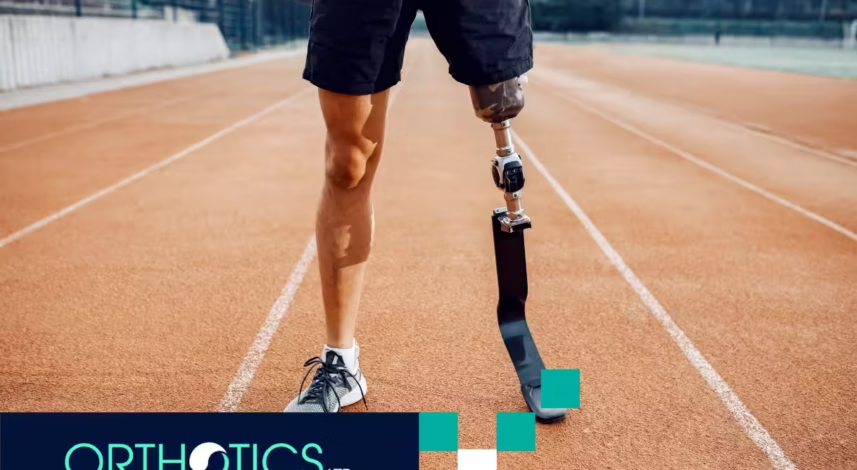
Sports prosthetics allow individuals with limb loss to participate in running, cycling, swimming, and other high-intensity activities. While these devices enhance performance, improper use, training, or maintenance can increase the risk of injury.
Preventing injuries is critical for safety, performance, and long-term prosthetic functionality. This guide explores practical strategies for avoiding injuries while using sports prosthetics, including training tips, maintenance practices, and mental preparation.
Understanding Sports Prosthetics
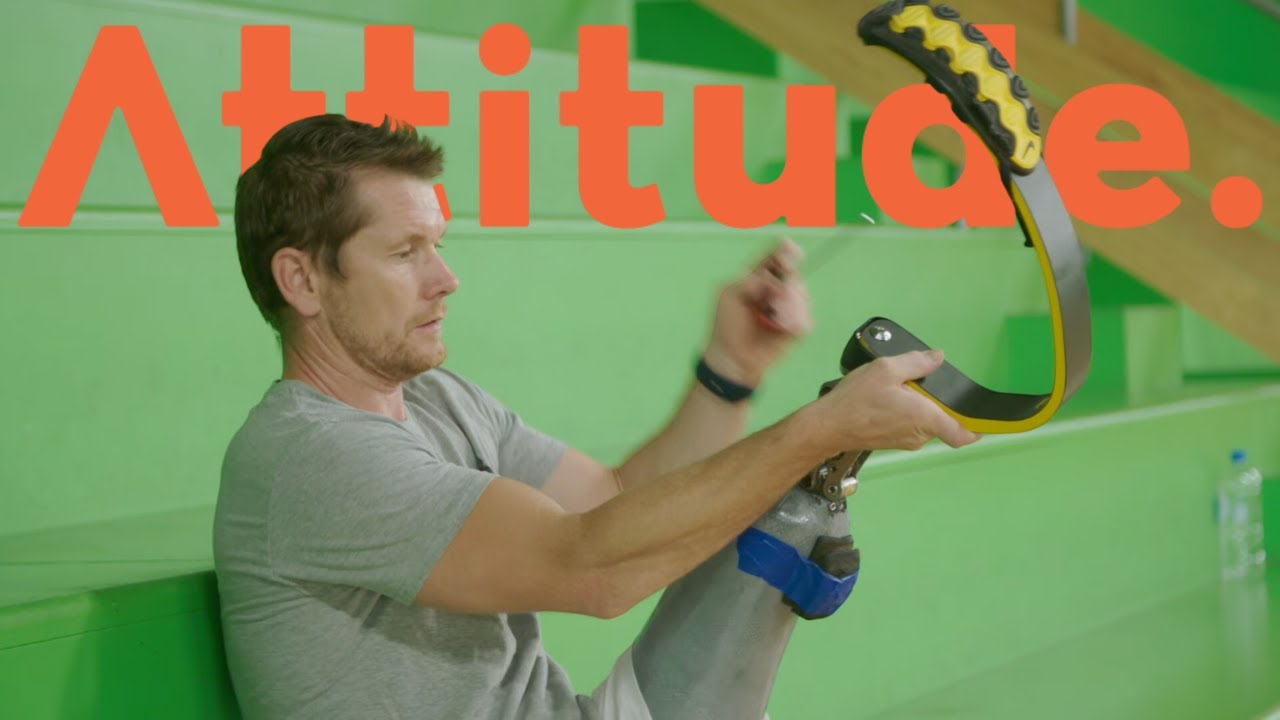
Sports prosthetics are specialized devices designed for athletic activities:
- Running Blades: Carbon fiber feet that store and release energy for sprinting and running.
- Cycling Prosthetics: Lightweight attachments designed for pedaling efficiency.
- Multi-Sport Prosthetics: Adaptable devices for basketball, skiing, swimming, or tennis.
These prosthetics differ from daily-use devices in weight, flexibility, and performance optimization. Understanding your prosthetic is the first step in injury prevention.
Safety Considerations
Before engaging in any sports activity with a prosthetic:
- Consult a Prosthetist: Ensure your prosthetic fits properly and is aligned for your chosen activity.
- Wear Protective Gear: Helmets, padding, or supportive braces may be required depending on the sport.
- Monitor Limb Health: Inspect skin for irritation, redness, or pressure points before and after activity.
- Start Slowly: Gradually increase intensity and duration to allow your body to adapt.
Following these precautions reduces the likelihood of injury and improves long-term performance.
Strength and Conditioning
Strong muscles support the prosthetic, improve balance, and prevent overuse injuries.
Core and Lower Body Focus
- Core Muscles: Stabilize the torso and improve overall control.
- Leg Muscles: Quadriceps, hamstrings, glutes, and calves support running and jumping.
- Hip Muscles: Improve balance and alignment during lateral movements.
Sample Strength Training Routine
| Exercise | Target Area | Reps/Sets | Notes |
|---|---|---|---|
| Squats | Quadriceps, Glutes | 3×12 | Bodyweight or resistance bands |
| Deadlifts | Hamstrings, Glutes | 3×10 | Focus on controlled movement |
| Plank | Core | 3×30 sec | Engage abs and lower back |
| Lateral Band Walks | Hip abductors | 3×15 | Improves stability |
| Single-Leg Balance | Ankles, Core | 3×20 sec per leg | Enhance balance with a prosthetic foot |
Regular strength training helps distribute stress evenly across joints and reduces the risk of overuse injuries.
Balance and Coordination
Balance is a critical factor when using sports prosthetics:
- Single-Leg Stands: Practice on flat and uneven surfaces to improve stability.
- Proprioception Drills: Use balance boards or agility ladders to enhance body awareness.
- Dynamic Movements: Incorporate jumping, pivoting, and lateral drills to mimic sports actions.
Improved coordination minimizes falls and enhances athletic performance.
Flexibility and Mobility
Flexibility reduces muscle strain and improves range of motion:
- Dynamic Stretching: Before workouts to prepare muscles for activity.
- Static Stretching: After workouts to maintain joint mobility.
- Joint Focus: Pay attention to hips, knees, and ankles, which adapt to prosthetic use.
Incorporating yoga or Pilates can further enhance flexibility and core stability.
Sport-Specific Training
Tailoring your training routine to your chosen sport is essential:
- Running: Focus on stride mechanics, cadence, and endurance.
- Cycling: Emphasize pedal efficiency and leg strength.
- Basketball or Tennis: Work on lateral movement, agility, and reaction time.
- Swimming: Concentrate on upper-body strength and stroke technique.
A coach familiar with adaptive sports can provide guidance and help prevent sport-specific injuries.
Prosthetic Maintenance
Proper maintenance ensures safety and performance:
- Regular Inspections: Check for cracks, loose screws, or worn components.
- Cleanliness: Wipe down prosthetic components after use to prevent dirt buildup.
- Lubricate Moving Parts: Ensure joints and hinges move smoothly.
- Professional Adjustments: Schedule routine visits with your prosthetist to maintain fit and alignment.
Neglecting prosthetic maintenance can lead to malfunction, misalignment, or injury.
Recovery and Injury Prevention
Recovery strategies are as important as training:
- Rest Days: Allow muscles and residual limb tissue to recover.
- Hydration and Nutrition: Support muscle repair and energy levels.
- Sleep: Adequate rest improves reaction time and reduces fatigue-related injuries.
- Listen to Your Body: Pain or discomfort is a warning sign; adjust training intensity accordingly.
Integrating recovery protocols ensures long-term safety and optimal performance.
Common Injury Risks and How to Avoid Them
| Injury Type | Cause | Prevention Tips |
|---|---|---|
| Skin Irritation | Friction or poor socket fit | Use proper liners, monitor skin, and adjust the socket as needed |
| Muscle Strain | Overuse or insufficient warm-up | Gradually increase intensity, incorporate strength training |
| Joint Pain | Misalignment or uneven load | Regular prosthetic adjustments, correct gait mechanics |
| Falls | Loss of balance or uneven terrain | Balance training, use of assistive devices when needed |
| Overuse Injuries | Repetitive motions | Vary training, allow rest, focus on technique |
Understanding these risks helps athletes proactively prevent injuries.
Mental Preparation and Confidence
Mental readiness is crucial for injury prevention and performance:
- Set Realistic Goals: Focus on gradual improvements.
- Track Progress: Maintain a journal of workouts, distances, and recovery.
- Stay Motivated: Celebrate milestones and adjust training when facing challenges.
- Mind-Body Awareness: Pay attention to how your body responds to training and prosthetic use.
Confidence in your prosthetic and your abilities reduces the risk of accidents caused by hesitation or poor coordination.
Final Thoughts
Using sports prosthetics safely requires a combination of proper training, maintenance, and mental preparation. By focusing on strength, balance, flexibility, and sport-specific skills, athletes can prevent injuries, improve performance, and enjoy an active lifestyle. Regular prosthetic checks and consultation with a prosthetist further enhance safety and long-term functionality.
For personalized guidance, professional assessments, and high-quality sports prosthetics, Orthotics Ltd. offers expert solutions to help athletes train safely and confidently. Contact us today!
Frequently Asked Questions
1. Can anyone use sports prosthetics safely?
Yes, with proper training, guidance, and a prosthetic fitted by a certified prosthetist, individuals can safely engage in sports.
2. How long does it take to adapt to sports prosthetics?
Adaptation varies, but consistent training over weeks or months usually leads to improved comfort, stability, and performance.
3. How often should sports prosthetics be inspected?
Check components before and after each session, with a professional evaluation every 3–6 months.
4. Are running blades suitable for all activities?
Running blades are optimized for sprinting or running, not necessarily for walking, jumping, or other sports. Specialized prosthetics may be needed for different activities.
5. What is the best way to prevent skin irritation?
Use proper liners, maintain hygiene, monitor your residual limb, and ensure your socket fits correctly to reduce friction and pressure points.
Sources:
- https://www.limbs4life.org.au/prosthetics/funding-for-prosthetic
- https://pmc.ncbi.nlm.nih.gov/articles/PMC10916780/
- https://www.uchealth.org/today/rest-and-recovery-for-athletes-physiological-psychological-well-being/
- https://www.limbs4life.org.au/health-matters/skin-care-and-hygiene
- https://pmc.ncbi.nlm.nih.gov/articles/PMC12023805/
