

Prosthetic Leg Types: Choosing the Right Leg Prosthesis
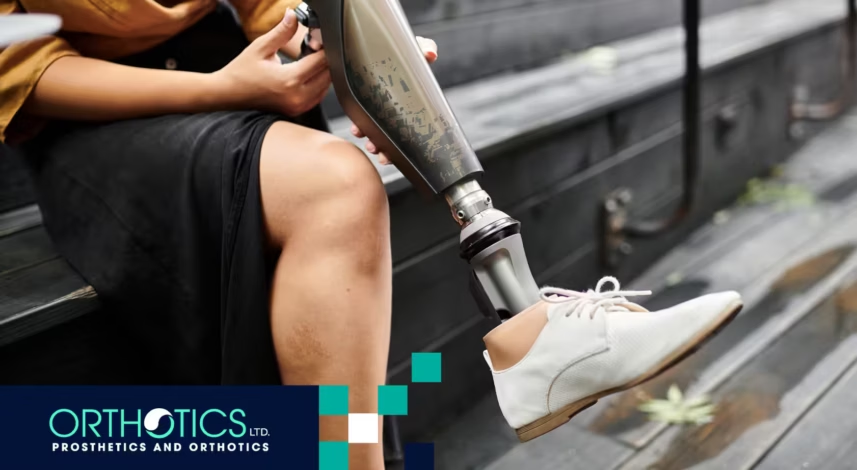
Key Highlights
- Prosthetic legs come in different types, from basic mechanical to advanced microprocessor models.
- The right choice depends on your activity level, limb condition, lifestyle, comfort, and budget.
- Options include everyday, active, sports, and cosmetic prosthetics.
- A certified prosthetist can help you find the best fit for your mobility and goals.
Selecting a prosthetic leg is a major decision that can significantly impact mobility, comfort, and quality of life. With advances in technology, there are now a variety of prosthetic leg types and leg prosthesis options designed to meet different needs, activity levels, and goals. Understanding your choices and knowing how to evaluate them can help you make an informed decision when choosing a prosthetic leg.
Understanding Prosthetic Leg Types
A prosthetic leg, or lower-limb prosthesis, is a device designed to replace the function of a missing leg. The type you select depends on factors such as your activity level, residual limb characteristics, lifestyle, and budget.
1. Below-Knee vs. Above-Knee Prosthetics
The first distinction in prosthetic leg types is the level of amputation:
- Below-Knee (Transtibial) Prosthetics: Designed for individuals with amputations below the knee. They preserve the knee joint, which allows for more natural movement and less energy expenditure while walking.
- Above-Knee (Transfemoral) Prosthetics: For amputations above the knee. These include an artificial knee joint, which adds complexity but allows for walking, standing, and even running with the right prosthetic leg type.
2. Mechanical vs. Microprocessor-Controlled Prosthetic Legs
- Mechanical Prosthetics: Utilize manual adjustments or simple mechanical joints. They are durable, lighter, and generally more affordable. Suitable for low to moderate activity levels.
- Microprocessor-Controlled Prosthetics: Feature computer-controlled knees or ankles that adjust to walking speed and terrain in real-time. They improve stability, reduce the risk of falls, and are ideal for active users.
3. Specialized Prosthetic Legs
Certain prosthetic leg types are designed for specific activities:
- Sports Prosthetics: Optimized for running, cycling, or swimming, often using lightweight materials and specialized feet.
- Hydraulic or Pneumatic Legs: Provide smoother motion on varied terrain and can absorb shock during walking or running.
- Cosmetic Prosthetics: Focus on natural appearance, often with realistic skin tones and shapes, prioritizing aesthetics over advanced functionality.
Factors to Consider When Choosing a Prosthetic Leg
When choosing a prosthetic leg, consider the following factors:
- Activity Level: Active users may benefit from microprocessor knees or sport-specific prosthetics. Less active individuals may prefer mechanical legs for simplicity.
- Residual Limb Condition: Skin sensitivity, limb shape, and length affect socket design and comfort.
- Lifestyle Needs: Consider work, hobbies, and daily tasks. This determines if you need multiple leg prosthesis options.
- Budget and Insurance Coverage: Advanced prosthetic leg types may be more expensive but offer improved mobility. Ensure coverage or financing options.
- Comfort and Fit: The socket must fit snugly without causing pain. A poorly fitted prosthetic leg type can cause skin irritation or reduce mobility.
Common Prosthetic Leg Types
| Prosthetic Type | Best For | Pros | Cons |
|---|---|---|---|
| Mechanical Knee | Moderate activity, everyday use | Durable, affordable, low maintenance | Less adaptive to uneven terrain |
| Microprocessor Knee | Active users, varied terrain | Improved stability, natural gait | Expensive, requires charging |
| Sports Prosthetic | Running, cycling, sports | Lightweight, high-performance | Limited everyday functionality |
| Hydraulic/Pneumatic | Outdoor activity, varied terrain | Smooth motion, shock absorption | Heavier, higher cost |
| Cosmetic Prosthetic | Appearance-focused | Natural look, lightweight | Limited mobility features |
Steps to Take When Choosing a Prosthetic Leg
- Consult a Certified Prosthetist: Your prosthetist evaluates your residual limb, activity level, and goals.
- Try Multiple Prosthetic Leg Types: Test different options to determine comfort, stability, and mobility.
- Assess Daily Activities: Walk, climb stairs, and simulate typical movements to see how each prosthetic performs.
- Review Adjustability and Maintenance: Consider how easy it is to maintain, adjust, or replace components.
- Plan for Future Needs: Your mobility needs may change over time; choose a prosthetic leg that can adapt or be upgraded.
Leg Prosthesis Options for Different Lifestyles
1. Everyday Mobility
For users primarily walking indoors or short distances outdoors:
- Mechanical knees or basic below-knee prosthetics are sufficient
- Focus on comfort, lightweight materials, and easy maintenance
2. Active Lifestyle
For frequent walkers, hikers, or part-time athletes:
- Microprocessor knees or hydraulic legs provide enhanced mobility
- Consider shock-absorbing feet for uneven terrain
- Multiple prosthetic leg types may be useful for different activities
3. Athletic Performance
For competitive sports or high-impact activities:
- Specialized sports prosthetics are designed for energy return and durability
- Lightweight materials improve speed and agility
- Custom socket design ensures optimal performance
4. Cosmetic Priorities
For users prioritizing appearance over function:
- Lightweight cosmetic prosthetic legs offer a natural look
- Often combined with a functional prosthetic for active use
Maintenance Tips for Prosthetic Legs
Proper maintenance extends the life of your prosthetic leg and ensures comfort:
- Clean the socket daily to prevent skin irritation
- Inspect joints and connectors for wear
- Replace liners and socks as needed
- Schedule regular checkups with your prosthetist
Final Thoughts
Choosing the right prosthetic leg is a personal and important decision. By understanding prosthetic leg types, assessing your lifestyle needs, and exploring various leg prosthesis options, you can find a solution that maximizes comfort, mobility, and confidence. For professional guidance and custom solutions tailored to your needs, Orthotics Ltd. offers expert services to help you choose a prosthetic leg that fits your life perfectly. Contact us today!Frequently Asked Questions
1. How do I know which prosthetic leg type is right for me?
Your prosthetist will assess your activity level, limb condition, and goals to recommend appropriate prosthetic leg types. Testing different options helps identify the best fit.
2. Can I switch between multiple prosthetic leg types?
Yes, many users have a daily-use prosthetic and a specialized prosthetic for sports or outdoor activities.
3. How long does it take to get used to a new leg prosthesis?
Adaptation varies. Most users require several weeks of gradual practice to achieve full mobility and comfort.
4. Are microprocessor knees worth the extra cost?
For active users or those navigating varied terrain, microprocessor knees provide improved gait, stability, and safety, often justifying the investment.
5. What should I consider when budgeting for a prosthetic leg?
Include initial cost, potential upgrades, accessories, maintenance, and insurance coverage when planning your budget.
Sources:
- https://my.clevelandclinic.org/health/procedures/21599-amputation
- https://www.sciencedirect.com/science/article/abs/pii/S1934148214003013
- https://news.mit.edu/2024/prosthesis-helps-people-with-amputation-walk-naturally-0701
- https://pubmed.ncbi.nlm.nih.gov/18413115/
