


Early Signs You Might Need an Orthotic Device
Key Highlights
- Persistent foot, ankle, knee, or back pain can signal the need for an orthotic device.
- Orthotic devices provide customized support to improve alignment and relieve discomfort.
- Early intervention helps prevent long-term complications and joint damage.
- Symptoms like uneven shoe wear, poor posture, or frequent fatigue should not be ignored.
- A proper orthotic fitting can improve mobility, comfort, and daily performance.
Foot and body pain are easy to dismiss—especially when they start as minor aches after a long day. But these discomforts can be early warning signs that something in your body’s alignment or biomechanics isn’t quite right.
An orthotic device can often be the solution. Whether it’s a simple insole or a custom brace, orthotic devices play a crucial role in correcting posture, enhancing stability, and alleviating pain.
If you’ve ever wondered, “What is an orthotic device, and how do I know if I need one?”, this guide breaks down everything you should know—from the subtle signs to the benefits of getting professional help early.
What Is an Orthotic Device?
An orthotic device is a medical support tool designed to correct or accommodate abnormalities in body structure and movement. Orthotics are typically custom-made to fit an individual’s unique anatomy, providing precise alignment and comfort.
They can be used for:
- Foot and ankle support
- Postural correction
- Pain reduction
- Injury prevention
- Enhanced mobility and athletic performance
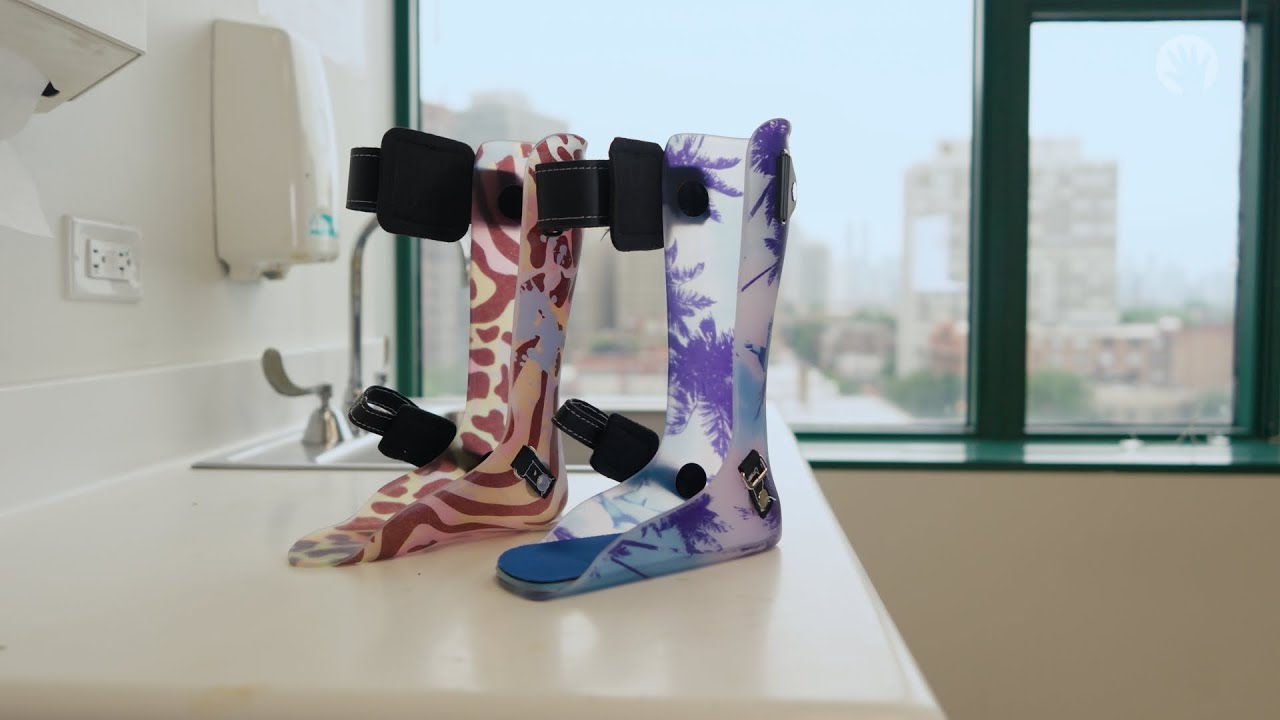
Orthotic devices can range from shoe inserts and foot orthoses to knee, wrist, or back braces, depending on the specific area affected.
| Type of Orthotic Device | Purpose | Common Users |
|---|---|---|
| Foot orthotics | Correct arch or heel alignment | People with flat feet, plantar fasciitis |
| Ankle-foot orthoses (AFOs) | Support weak or unstable ankles | Individuals recovering from stroke or foot drop |
| Knee orthotics | Stabilize the knee joint | Athletes, arthritis patients |
| Wrist/hand orthoses | Aid hand and wrist function | People with carpal tunnel or injury |
| Spinal orthoses | Improve posture and alignment | Those with scoliosis or back pain |
Early Signs You Might Need an Orthotic Device
Identifying the signs early can make a huge difference in preventing chronic issues. Below are the most common indicators that you might benefit from orthotic support.
1. Persistent Foot or Heel Pain
If your feet ache daily—especially around the heels or arches—it could indicate misalignment or excessive strain.
Common causes include:
- Flat feet or high arches
- Plantar fasciitis
- Overuse from standing or walking
Orthotic devices can cushion the feet and redistribute pressure evenly, reducing pain and inflammation.
2. Uneven Shoe Wear
Check the soles of your shoes. Do they wear out faster on one side?
Uneven wear patterns usually signal an imbalance in how you walk (gait). Orthotics help correct improper foot mechanics and realign your posture to prevent further damage.
3. Knee, Hip, or Back Pain
When your feet aren’t properly aligned, the imbalance travels up the kinetic chain—affecting knees, hips, and even your lower back.
If you experience chronic pain in these areas without a clear injury, it could be due to poor foot support. Orthotic devices function to restore alignment, reducing stress on your joints and muscles.
4. Flat Feet or High Arches
Structural differences in the feet can affect how you walk and stand.
- Flat feet may cause overpronation (rolling inward).
- High arches can lead to underpronation (rolling outward).
Both conditions can lead to instability and pain without proper support. A custom orthotic device ensures even weight distribution and balance.
5. Frequent Fatigue or Discomfort After Standing
If you often feel sore or exhausted after long periods of standing or walking, your feet may not be supporting your body efficiently.
Orthotics help reduce strain by improving shock absorption and enhancing muscle engagement, allowing you to stay active for extended periods without discomfort.
6. Balance or Stability Issues
Trouble maintaining balance or frequent tripping could suggest alignment or neurological issues. Certain orthotic devices, such as ankle-foot orthoses, can provide additional stability and aid in coordination.
7. Postural Changes
Your feet form the foundation of your posture. Misalignment here can lead to compensations elsewhere—causing rounded shoulders, tilted hips, or uneven leg length. Orthotics help correct these subtle imbalances over time.
8. Diabetes or Circulatory Issues
People with diabetes often develop neuropathy (nerve damage), making them more prone to foot ulcers or pressure sores.
Orthotic devices can protect sensitive areas, improve circulation, and prevent injury.
9. Recent Injury or Surgery
If you’re recovering from an injury or surgery, an orthotic device can:
- Support weakened muscles
- Prevent re-injury
- Aid in rehabilitation
They’re especially useful for individuals healing from fractures, ligament tears, or tendon injuries.
10. Active Lifestyle or Sports Involvement
Athletes often use orthotic devices to enhance performance and prevent repetitive stress injuries. If you run, jump, or train regularly, orthotics can absorb impact and reduce strain on your joints.
Why Early Intervention Matters
Ignoring early warning signs can lead to:
- Chronic pain
- Joint degeneration
- Altered gait patterns
- Reduced mobility
By addressing the issue early with the correct orthotic device, you can prevent long-term damage and improve your comfort, posture, and confidence in movement.
Custom vs. Over-the-Counter Orthotics
While store-bought inserts can offer short-term relief, they’re not tailored to your body. Custom orthotics are professionally designed using advanced technology to fit your exact anatomy.
| Feature | Over-the-Counter Orthotics | Custom Orthotics |
|---|---|---|
| Fit | Generic | Personalized for your foot |
| Durability | Short-term | Long-lasting |
| Support | Limited | Corrective and supportive |
| Cost | Lower upfront | Better long-term value |
| Medical Benefit | Minimal | Clinically effective |
If you’re dealing with persistent pain or complex conditions, custom orthotic devices are the best option.
The Orthotic Evaluation Process
When you visit a clinic for assessment, expect these steps:
- Physical Examination: Your posture, gait, and joint alignment are analyzed.
- Foot Impressions or Scanning: 3D imaging or plaster molds capture your unique foot structure.
- Customization and Fabrication: Your orthotic device is designed and manufactured to meet your specific needs.
- Fitting and Adjustment: The orthotist ensures proper comfort and function.
- Follow-Up Visits: Adjustments are made as your body adapts.
This process ensures your device provides the best possible comfort and results.
Maintaining Your Orthotic Device
To prolong the life of your orthotics:
- Clean them regularly with mild soap and water.
- Avoid excessive heat or moisture.
- Replace them every 1–2 years (depending on wear).
- Schedule follow-ups to ensure a proper fit is maintained.
When to See a Specialist
If you notice pain, posture changes, or difficulty walking, it’s time to seek professional help. Early consultation with a certified orthotist ensures the correct diagnosis and treatment plan.
Final Thoughts
Your feet carry you through every step of life — from daily routines to significant milestones. When discomfort, pain, or imbalance start to appear, it’s often your body’s signal that extra support is needed.
Recognizing the early signs that you might need an orthotic device can make all the difference in preventing long-term problems and improving your overall mobility. With the proper orthotic care, you can move with comfort, confidence, and freedom again.
If you’re considering custom orthotic devices, the specialists at Orthotics Ltd. are here to help. Our team provides personalized assessments and expertly crafted orthotics designed to fit your lifestyle, helping you take every step with greater stability and ease. Contact us today!
Frequently Asked Questions
1. What is an orthotic device used for?
An orthotic device helps support, align, or correct body mechanics. It’s commonly used to relieve pain, improve posture, and prevent further injury.
2. How do I know if I need an orthotic device?
If you experience persistent foot, ankle, knee, or back pain, or notice uneven shoe wear, you may benefit from orthotics. A professional evaluation can confirm your needs.
3. Are custom orthotic devices worth the cost?
Yes. While more expensive initially, they provide lasting comfort, improved alignment, and better results than generic insoles.
4. How long do orthotic devices last?
With proper care, custom orthotics can last between 1 and 3 years. However, they may need adjustments as your body changes or your activity level increases.
5. Do orthotic devices feel uncomfortable at first?
Some mild discomfort or pressure is normal as your body adjusts, but pain should not persist. If it does, your orthotist can make minor adjustments to improve fit and comfort.
Sources:
- https://www.sciencedirect.com/science/article/pii/S2773157X23001224
- https://pmc.ncbi.nlm.nih.gov/articles/PMC10659571/
- https://www.physio-pedia.com/Introduction_to_Ankle_Foot_Orthoses
- https://essentrics.com/feet-first-the-foundation-of-good-posture-and-alignment/
- https://www.mayoclinic.org/diseases-conditions/diabetic-neuropathy/symptoms-causes/syc-20371580
