

• Home
  • About Us
    • Insurance
  • Our Clinic
  • Prosthetics
    • Prosthetic Options
    • Upper Limb
      • Arms
      • Hands
      • Fingers
      • Shoulder
      • Elbow
      • Wrist Joint
    • Lower Limb
      • Hip
      • Leg
      • Knee
      • Foot
      • Ankle
      • Toe
    • Athletic & Sports Prosthetics
    • Pediatric
    • Cosmetic Covers
    • Socket Systems
    • Additional Prosthetic Services
    • Unique Prosthetic Cases
  • Orthotics
  • Blog
  • Contact
  • Home
  • About Us
    • Insurance
  • Our Clinic
  • Prosthetics
    • Prosthetic Options
    • Upper Limb
      • Arms
      • Hands
      • Fingers
      • Shoulder
      • Elbow
      • Wrist Joint
    • Lower Limb
      • Hip
      • Leg
      • Knee
      • Foot
      • Ankle
      • Toe
    • Athletic & Sports Prosthetics
    • Pediatric
    • Cosmetic Covers
    • Socket Systems
    • Additional Prosthetic Services
    • Unique Prosthetic Cases
  • Orthotics
  • Blog
  • Contact
(914) 337-8600

Signs You’ve Outgrown Your Prosthetic
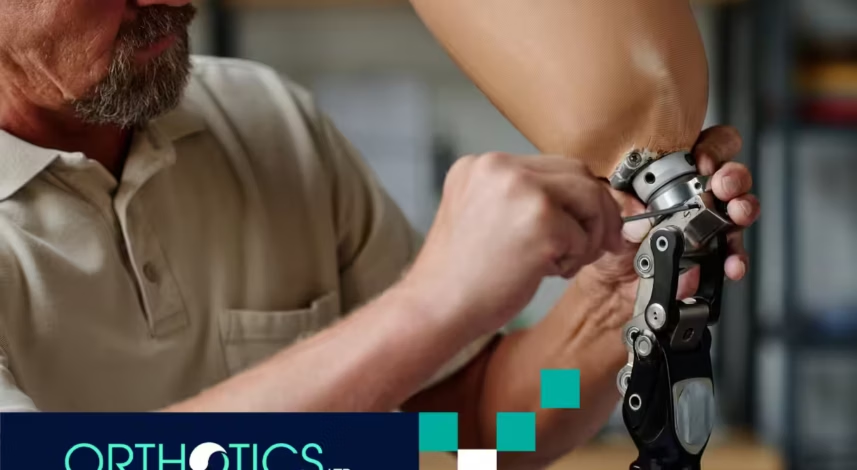
Signs-Youve-Outgrown-Your-Prosthetic-thumbnail
July 29, 2026 By Orthotics 0 comments
Learn the key signs you’ve outgrown your prosthetic and how an updated prosthetic can restore comfort, fit, and mobility.

Key Highlights

  • Prosthetics are not permanent and may need replacement as your body changes.
  • Discomfort, skin issues, and instability are common signs you’ve outgrown your prosthetic.
  • Changes in activity level, weight, or health can affect prosthetic fit.
  • Ignoring fit issues can lead to pain, poor mobility, and injury.
  • Regular evaluations help ensure long-term comfort, safety, and function.
 

Prosthetic limbs are designed to restore mobility, independence, and quality of life. However, they are not “set-it-and-forget-it” devices. Over time, your body changes—and when it does, your prosthetic may no longer fit or function as it should.

Many prosthetic users live with discomfort longer than necessary, assuming that soreness or instability is a normal part of the process. In reality, these symptoms often indicate that the prosthetic has been outgrown or no longer matches the user’s physical needs.

Understanding the signs you’ve outgrown your prosthetic can help you take action early, prevent complications, and maintain confidence in daily movement. This article breaks down the most common indicators, explains why they occur, and outlines the next steps to take.

What Does It Mean to “Outgrow” a Prosthetic?

Outgrowing a prosthetic does not only apply to children. Adults can also outgrow a prosthetic due to changes in:

  • Weight
  • Muscle mass
  • Activity level
  • Residual limb shape
  • Overall health
 

When these changes occur, the prosthetic socket, alignment, or components may no longer provide proper support.

Why Prosthetic Fit Changes Over Time

The human body is dynamic. Even without noticeable weight changes, the residual limb can shift in shape or volume. Common causes include:

  • Aging
  • Muscle atrophy or strengthening
  • Fluid retention
  • Medical conditions
  • Increased or decreased physical activity
 

Because prosthetic sockets are custom-molded, even small changes can affect fit.

Key Signs You’ve Outgrown Your Prosthetic

1. Persistent Discomfort or Pain

One of the earliest signs is ongoing discomfort. While mild soreness during adjustment periods can be normal, persistent pain is not.

Pain may occur:

  • At pressure points
  • Around bony areas
  • After short periods of wear
 

This often indicates the socket no longer distributes pressure evenly.

2. Skin Irritation or Breakdown

Skin issues are a clear warning sign. These may include:

  • Redness that does not fade
  • Blisters or calluses
  • Open sores
  • Excessive sweating or odor
 

Poor fit increases friction and pressure, putting skin health at risk.

3. Feeling Loose or Unstable

If your prosthetic feels like it’s shifting, slipping, or rotating, it may no longer fit correctly. This can lead to:

  • Reduced confidence while walking
  • Fear of falling
  • Increased energy expenditure
 

Instability often signals volume loss in the residual limb.

4. Difficulty Putting On or Removing the Prosthetic

Struggling to don or doff your prosthetic can indicate:

  • Tightness from weight gain or swelling
  • Changes in limb shape
  • Liner or socket issues
 

A prosthetic that suddenly becomes difficult to wear should be evaluated promptly.

5. Changes in Gait or Posture

Outgrowing a prosthetic can subtly affect how you move. Signs include:

  • Limping
  • Uneven steps
  • Hip or back pain
  • Increased strain on the opposite limb
 

These compensations may develop gradually and worsen over time.

6. Increased Fatigue

An ill-fitting prosthetic requires more effort to use. You may notice:

  • Fatigue after shorter periods of activity
  • Muscle soreness
  • Reduced endurance
 

This often indicates misalignment or poor socket fit.

7. Needing More Prosthetic Socks Than Before

Prosthetic socks help adjust fit, but needing significantly more socks than usual may mean the socket is too large.

While socks can help temporarily, they are not a long-term solution for outgrown prosthetics.

Signs Specific to Children and Teens

Children and adolescents outgrow prosthetics more frequently due to rapid growth.

Common pediatric signs include:

  • Sudden height or limb length changes
  • Difficulty keeping up with peers
  • Visible gaps in the socket fit
  • Reduced prosthetic use
 

Regular monitoring is especially important for growing users.

How Outgrowing a Prosthetic Affects Different Components

Prosthetic Component Effect of Outgrowing
Socket Poor pressure distribution, discomfort
Suspension System Reduced stability or slipping
Alignment Changes in balance and posture
Joints or Feet Increased wear and inefficiency

Each component must work together for optimal performance.

Risks of Ignoring the Signs

Delaying adjustments or replacement can lead to:

  • Chronic pain
  • Skin infections
  • Falls or injuries
  • Reduced mobility
  • Decreased prosthetic use
 

Addressing fit issues early helps avoid more serious complications.

When a New Prosthetic May Be Needed

Not all fit issues require a full replacement. In some cases, adjustments or socket modifications are sufficient. However, a new prosthetic may be necessary if:

  • The socket can no longer be adjusted
  • Major body changes have occurred
  • The prosthetic no longer meets activity needs
  • Components are worn or outdated
 

A professional evaluation determines the best course of action.

How Often Should a Prosthetic Fit Be Evaluated?

General guidelines include:

  • At least once a year for stable adult users
  • Every 6–12 months for children
  • After significant weight or activity changes
  • Whenever discomfort or instability arises
 

Regular checkups help catch issues early.

Emotional Impact of an Ill-Fitting Prosthetic

Outgrowing a prosthetic doesn’t just affect the body—it can affect confidence and independence. Users may:

  • Avoid activities
  • Feel frustrated or discouraged
  • Reduce social participation
 

Restoring comfort often restores confidence as well.

Proactive Steps to Prevent Problems

Prosthetic users can stay ahead of fit issues by:

  • Monitoring comfort daily
  • Keeping track of weight and activity changes
  • Using socks appropriately
  • Scheduling routine prosthetic evaluations
  • Speaking up at the first sign of discomfort
 

Being proactive reduces downtime and discomfort.

Advances in Prosthetic Design

Modern prosthetics offer features that adapt to change, including:

  • Adjustable sockets
  • Advanced suspension systems
  • Lightweight materials
  • Modular components
 

These innovations help extend comfort and usability over time.

Final Thoughts

Recognizing the signs you’ve outgrown your prosthetic is essential for maintaining comfort, mobility, and quality of life. Discomfort, instability, and skin issues are not something you have to “live with.” They are signals that your prosthetic needs attention.

For personalized evaluations, adjustments, and prosthetic solutions designed to evolve with your body, experienced providers like Orthotics Ltd. can help ensure your prosthetic continues to support your independence and daily life. Reach out today!


Frequently Asked Questions

1. How often do people outgrow their prosthetic?

It varies, but children may outgrow prosthetics every 6–12 months, while adults may need changes every few years or after body changes.

2. Can weight changes cause me to outgrow my prosthetic?

Yes. Weight gain or loss can significantly affect socket fit and comfort.

3. Are prosthetic socks a long-term solution?

No. Socks help manage minor changes, but do not replace professional adjustments or new socks when needed.

4. Should I stop wearing my prosthetic if it hurts?

If pain persists, reduce use and schedule an evaluation as soon as possible to prevent injury.

5. How do I know if I need a new prosthetic or just an adjustment?

A certified prosthetic professional can assess whether adjustments, a new socket, or a full replacement is necessary.


Sources:

  • https://www.washingtonpost.com/health/children-who-need-prosthetics-can-quickly-outgrow-them-and-insurers-are-reluctant-to-pay-for-running-legs-nonprofits-are-helping-out/2020/02/21/f5e86f54-1606-11ea-9110-3b34ce1d92b1_story.html
  • https://my.clevelandclinic.org/health/diseases/22310-muscle-atrophy
  • https://vascularsurgicalatlanta.com/what-to-look-for-in-the-best-fitting-prosthetics/
  • https://news.mit.edu/2024/prosthesis-helps-people-with-amputation-walk-naturally-0701
  • https://pmc.ncbi.nlm.nih.gov/articles/PMC7340716/
prosthetics
Copied!
previous post
How Weight Changes Affect Prosthetic Comfort
next post
Clothing Tips for Prosthetic Users

Related Posts

A man with Achilles Tendinitis trying out foot orthotics
Achilles Tendinitis: How Orthotics & Heel Lifts Help
Learn how orthotics and heel lifts ease Achilles tendinitis pain, support healing,...
Read more
A man sitting on a bench looking at tips on prosthetic socket care in summer
The Summer Socket Survival Guide: Managing Sweat, Heat, and Skin in Your Prosthetic
Sweat, heat, and skin issues hit prosthetic socket users hardest in summer....
Read more
A woman wearing her AFO brace
The Complete Guide to AFO Braces: Drop Foot, Stroke Recovery & Beyond
Explore this AFO brace guide, including types, who needs them, the fitting...
Read more
A man fitting orthotics for plantar fasciitis
Plantar Fasciitis: When OTC Insoles Stop Working and Custom Orthotics Take Over
Learn why OTC plantar fasciitis insoles often fail and how custom orthotics...
Read more

Leave a Reply Cancel

Your email address will not be published. Required fields are marked *


image
Get a new limb for a new lease on life.
Reach out to discuss your prosthetic options.
Schedule a consultation today
Facebook-f Pinterest Twitter Linkedin-in
Quick Links
  • About
  • Prosthetics
  • Orthotics
  • Contact
  • Privacy Policy
Locations
  • Harriman
  • Brooklyn
  • Bronx
  • Manhattan
  • Queens
  • Staten Island
Contact Us
  • (914) 337-8600
  • info@orthoticslimited.com
  • (914) 337-8600
  • info@orthoticslimited.com
  • 26 Grove St #101, Harriman, NY 10926, United States
  • Mon - Fri : 9 am–5 pm
    Sat - Sun : Closed
Copyright © 2026 Orthotics Ltd. All rights reserved.
Website by CWS
Call Us

Forgot password?