

Understanding Amputation Levels for Prosthetic Choice
Key Highlights
- Amputation levels significantly impact prosthetic design and function.
- Upper-limb and lower-limb amputations require different prosthetic solutions.
- Factors like residual limb length, mobility goals, and lifestyle affect prosthetic choice.
- Proper assessment ensures optimal comfort, functionality, and long-term health.
- Understanding amputation levels empowers patients and caregivers to make informed decisions.
Understanding Amputation Levels: How They Affect Prosthetic Choice
Losing a limb is a life-altering event that requires careful consideration when choosing a prosthetic device. Not all prosthetics are the same; the level at which an amputation occurs plays a pivotal role in determining the type of prosthetic needed, its functionality, and how well it integrates into daily life.
In this guide, we’ll explore the different amputation levels, how they influence prosthetic selection, and the factors that professionals consider to ensure the best outcomes for patients.
What Are Amputation Levels?
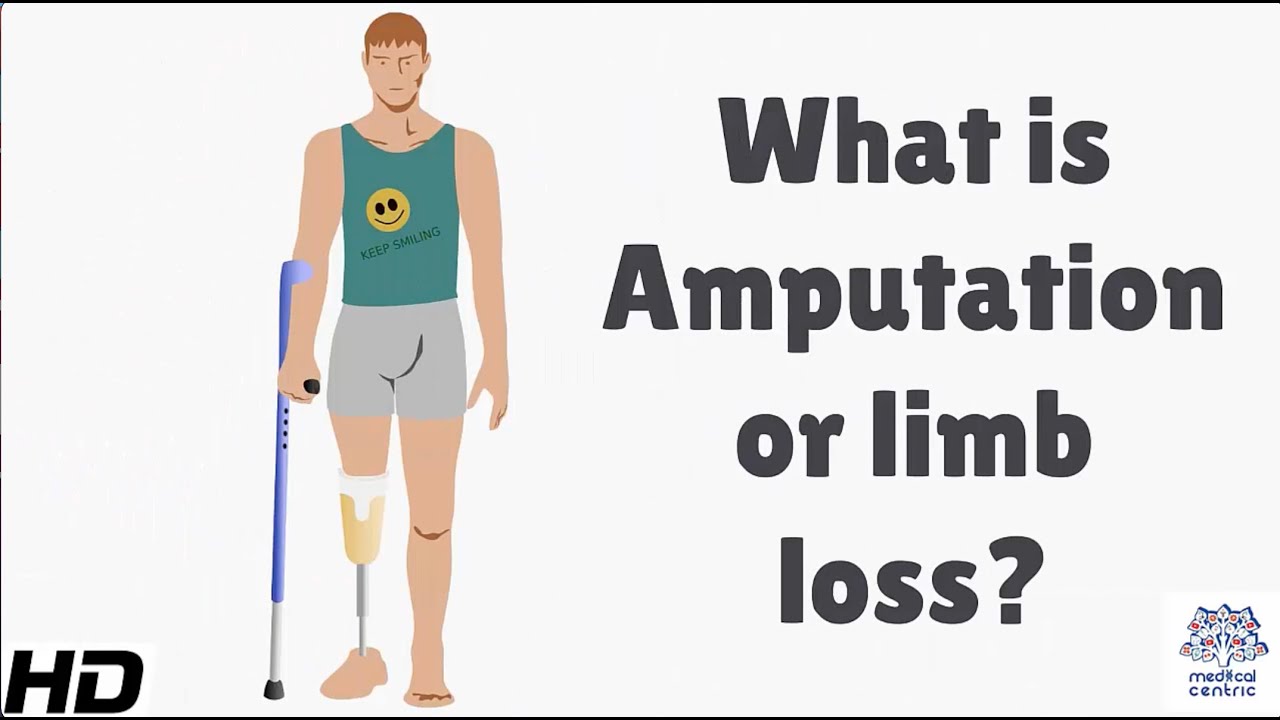
Amputation levels refer to the specific location along a limb where the amputation occurs. The location and extent of the limb loss directly influence which prosthetic devices are appropriate.
Upper-Limb Amputations
Upper-limb amputations are generally categorized as:
- Partial Hand or Finger Amputations: Loss of one or more fingers or part of the hand.
- Transradial (Below Elbow) Amputation: Amputation occurs between the elbow and wrist.
- Transhumeral (Above Elbow) Amputation: Amputation occurs between the shoulder and elbow.
- Shoulder Disarticulation: Amputation at the shoulder joint.
Lower-Limb Amputations
Lower-limb amputations typically include:
- Partial Foot Amputation: Loss of toes or part of the foot.
- Transtibial (Below Knee) Amputation: Amputation occurs between the knee and ankle.
- Transfemoral (Above Knee) Amputation: Amputation occurs between the hip and knee.
- Hip Disarticulation: Amputation occurs at the hip joint.
How Amputation Levels Affect Prosthetic Choice
1. Upper-Limb Prosthetics
The function of upper-limb prosthetics is influenced by the remaining segment of the arm and the user’s mobility goals.
- Partial Hand Prosthetics: Often cosmetic with limited functional restoration, sometimes with finger motion support.
- Transradial Prosthetics: Can include myoelectric or body-powered options to restore basic hand and wrist movements.
- Transhumeral Prosthetics: Typically require more complex prosthetics with elbow and wrist function, often using electronic controls for greater dexterity.
- Shoulder Prosthetics: Highly specialized and less common, designed for maximum arm mobility and support.
2. Lower-Limb Prosthetics
Lower-limb prosthetics are designed to restore mobility, balance, and stability.
- Partial Foot Prosthetics: Often use custom inserts or orthotic devices to maintain balance and allow walking.
- Transtibial Prosthetics: Commonly use socket systems that attach below the knee; allow for natural gait and energy-efficient walking.
- Transfemoral Prosthetics: Require knee joint mechanisms (mechanical or microprocessor-controlled) to restore leg movement and stability.
- Hip Disarticulation Prosthetics: Highly complex, often custom-built to allow basic mobility and stability for standing and walking.
Key Factors Influencing Prosthetic Selection
Several factors determine the ideal prosthetic for a patient:
- Residual Limb Length: Longer residual limbs often provide better control and weight distribution for the prosthetic.
- Muscle Strength: Adequate muscle strength is needed to operate body-powered or hybrid prosthetics.
- Lifestyle & Activity Level: Active patients may need high-performance prosthetics, while sedentary users may prioritize comfort.
- Age & Health: Younger or healthier individuals may tolerate more complex prosthetics, while older adults may prefer simplicity and ease of use.
- Skin & Circulation: The residual limb’s skin condition and blood flow affect socket fit and comfort.
Prosthetic Options by Amputation Level
| Amputation Level | Prosthetic Options | Functional Goals |
|---|---|---|
| Partial Hand | Cosmetic, partial-finger, functional finger devices | Basic grasp, appearance |
| Transradial | Body-powered, myoelectric, hybrid | Wrist rotation, grasp, and daily tasks |
| Transhumeral | Myoelectric, mechanical elbow | Arm movement, lifting, and daily tasks |
| Shoulder | Advanced myoelectric, custom | Full arm mobility, overhead function |
| Partial Foot | Custom inserts, prosthetic toes | Balance, walking stability |
| Transtibial | Sockets, microprocessor knee, activity-specific | Natural gait, energy-efficient walking |
| Transfemoral | Mechanical knee, microprocessor knee | Walking, standing, high activity |
| Hip Disarticulation | Custom hip joint prosthetic | Basic standing, walking, and mobility |
Rehabilitation and Adjustment
After amputation, patients usually undergo rehabilitation, including:
- Physical Therapy: Strengthening residual limbs and improving balance.
- Occupational Therapy: Learning to use prosthetics for daily tasks.
- Prosthetic Fitting: Custom socket design and adjustments for comfort and functionality.
Regular follow-ups are crucial to address skin irritation, socket fit, and mechanical adjustments. Proper rehabilitation improves outcomes, enhances independence, and reduces long-term complications.
Common Challenges and Solutions
- Skin Irritation: Custom liners and regular adjustments reduce friction and pressure points.
- Limited Range of Motion: Physical therapy and targeted prosthetic design enhance movement.
- Fatigue: Lightweight materials and energy-efficient prosthetics reduce strain during daily activities.
- Psychological Adjustment: Support groups and counseling improve adaptation and confidence.
Choosing the Right Prosthetic Provider
Selecting a skilled prosthetic provider ensures optimal outcomes. Providers should offer:
- Comprehensive assessment of amputation level and residual limb health.
- Variety of prosthetic options tailored to lifestyle and functional goals.
- Ongoing support for adjustments, maintenance, and rehabilitation.
Final Thoughts
Understanding amputation levels is critical for selecting the right prosthetic. Each level presents unique challenges and opportunities, and a well-matched prosthetic can significantly improve independence, mobility, and quality of life. Careful assessment, patient-centered planning, and professional guidance make the difference between a prosthetic that merely fits and one that truly transforms daily living.
For expert guidance and custom prosthetic solutions, Orthotics Ltd. works closely with patients to ensure comfort, functionality, and long-term success in mobility. Contact us today!
Frequently Asked Questions
1. How does residual limb length affect prosthetic choice?
Longer residual limbs often provide better control, comfort, and energy efficiency in prosthetics. Shorter limbs may require more specialized prosthetic designs.
2. Can one prosthetic work for all activities?
No. Many patients require activity-specific prosthetics for sports, work, or daily living to achieve optimal function and safety.
3. How long does it take to adjust to a new prosthetic?
Adjustment varies by amputation level, prosthetic complexity, and rehabilitation. Most patients take several weeks to months to become fully comfortable.
4. Are myoelectric prosthetics suitable for all patients?
Myoelectric prosthetics require sufficient muscle signals and training. Not all patients are candidates, particularly if they have limited residual limb strength.
5. How often should a prosthetic be checked or replaced?
Regular check-ups every 6–12 months are recommended, though replacement depends on wear, growth, and functional needs.
Sources:
- https://pubmed.ncbi.nlm.nih.gov/24287248/
- https://www.physio-pedia.com/Amputations
- https://www.ncbi.nlm.nih.gov/books/NBK540962/
- https://www.sciencedirect.com/science/article/pii/S1877132725000533
- https://www.hopkinsmedicine.org/health/treatment-tests-and-therapies/amputation/amputation-recovery-and-rehabilitation
