

Common Questions Athletes Ask About Sports Prosthetics
Key Highlights
- Sports prosthetics are designed to meet the unique needs of athletes.
- Performance, comfort, and activity type guide prosthetic selection.
- Proper training and rehabilitation improve outcomes and prevent injuries.
- Understanding customization options helps athletes maximize mobility and endurance.
- Expert guidance ensures prosthetics support both competitive and recreational sports goals.
Athletes with limb differences often face unique challenges when pursuing their passion for sports. Choosing the right prosthetic device can significantly affect performance, safety, and enjoyment. Sports prosthetics differ from everyday prosthetics because they are designed specifically for athletic activity, offering flexibility, energy return, and durability.
This guide answers the most common questions athletes have about sports prosthetics, helping them make informed decisions about performance, comfort, and training.
What Are Sports Prosthetics?
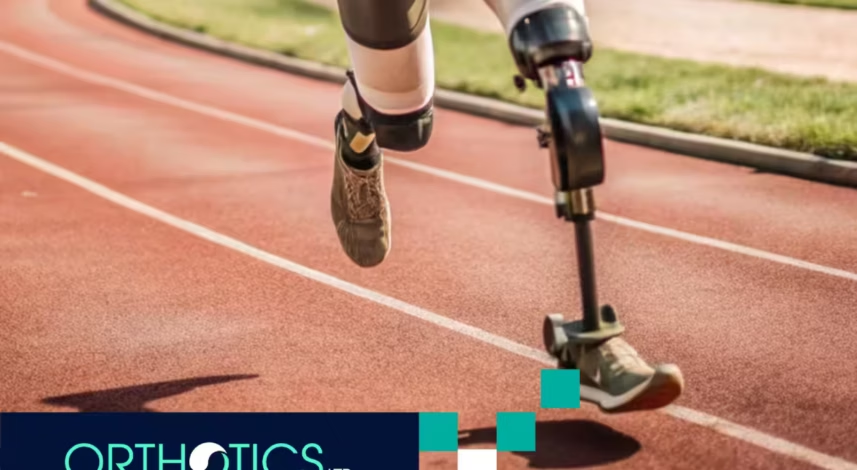
Sports prosthetics are specialized devices designed to support athletic activity, including running, swimming, cycling, and weightlifting. Unlike conventional prosthetics, they are often made from lightweight, high-strength materials like carbon fiber or titanium and feature energy-storing components to enhance performance.
There are various types of sports prosthetics depending on the limb affected and the sport. Examples include:
- Running blades: Curved, energy-storing prosthetics for sprinting or long-distance running.
- Swimming prosthetics: Designed to reduce drag and enhance propulsion in water.
- Cycling prosthetics: Lightweight, with pedal attachment compatibility.
- Upper-limb sports prosthetics: Hooks or adaptive hands for gripping sports equipment.
How Do I Choose the Right Sports Prosthetic?
Selecting the right prosthetic depends on several factors:
- Sport Type: Each sport requires specific design considerations. For example, running blades are unsuitable for cycling or swimming.
- Amputation Level: The level of limb loss affects control, stability, and prosthetic design.
- Activity Level & Goals: Competitive athletes may require advanced prosthetics, while recreational users may prioritize comfort.
- Weight & Strength: Prosthetic weight and energy efficiency are critical for endurance sports.
- Experience & Training: A prosthetic should complement the athlete’s skills, not hinder them.
Sports Prosthetic Options by Activity
| Activity | Prosthetic Type | Key Features | Benefits |
|---|---|---|---|
| Running | Running blade | Carbon fiber, energy-storing, curved | Improved speed, shock absorption, and efficient stride |
| Swimming | Swimming prosthetic | Hydrodynamic design, adjustable fit | Reduced drag, better propulsion |
| Cycling | Cycling prosthetic | Lightweight, pedal-compatible | Optimal power transfer, stability |
| Upper-Limb Sports | Adaptive hands/hooks | Grip-specific, durable | Equipment control, safety |
| Weightlifting | Adaptive lifting prosthetic | Stable, strong base | Safety, proper lifting mechanics |
Common Questions Athletes Ask
1. Can Sports Prosthetics Improve Performance?
Yes. Sports prosthetics are engineered to optimize energy transfer, reduce fatigue, and enhance movement efficiency. Proper fitting and training are essential for performance gains.
2. How Long Does It Take to Adjust?
Adjustment varies depending on prosthetic type, activity, and previous experience. Athletes usually take weeks to months to fully adapt, combining rehabilitation, strength training, and practice.
3. Are Sports Prosthetics Custom-Made?
Most high-performance sports prosthetics are custom-designed to match the athlete’s limb, weight, and activity goals. Off-the-shelf options exist but may be less effective for competitive use.
4. How Durable Are Sports Prosthetics?
Sports prosthetics are built from high-strength materials to endure repetitive stress. However, regular maintenance and inspection are necessary to prevent wear and ensure safety.
5. Can Athletes Switch Between Daily Prosthetics and Sports Prosthetics?
Yes. Many athletes use daily prosthetics for normal activities and switch to specialized sports prosthetics during training or competition. This ensures both comfort and peak performance.
Tips for Using Sports Prosthetics Safely
- Start Gradually: Introduce the prosthetic slowly into your training routine.
- Work with Professionals: Prosthetists and athletic trainers provide guidance on fitting, technique, and injury prevention.
- Strength & Conditioning: Strengthening residual limbs and core muscles improves control and reduces fatigue.
- Monitor for Skin Issues: Regularly check for irritation, redness, or pressure points.
- Maintain Equipment: Clean, inspect, and adjust prosthetics to ensure optimal performance.
Rehabilitation and Training
Proper rehabilitation is vital for athletes using sports prosthetics. A structured program includes:
- Physical Therapy: Enhances balance, strength, and flexibility.
- Gait Training: Teaches efficient movement with lower-limb prosthetics.
- Sport-Specific Drills: Builds skill, endurance, and confidence.
- Psychological Support: Sports prosthetics can challenge mental resilience; coaching and peer support help adaptation.
Rehabilitation programs should be tailored to the athlete’s sport, competitive level, and goals to achieve the best outcomes.
Common Challenges Athletes Face
- Skin Irritation & Pressure Points: Use proper liners and adjust the socket fit to prevent discomfort.
- Energy Loss: Improperly fitted prosthetics can waste energy and cause fatigue.
- Injury Risk: Incorrect technique or prosthetic choice may increase risk of falls or overuse injuries.
- Cost & Accessibility: High-performance prosthetics can be expensive, requiring insurance coverage or sponsorship.
Addressing these challenges through professional guidance, training, and proper maintenance ensures long-term success.
Choosing the Right Prosthetic Provider
Athletes should work with providers who understand the unique needs of sports prosthetics. Key qualities include:
- Custom design for activity type and performance level.
- Collaboration with coaches and therapists to optimize training.
- Ongoing support for adjustments, repairs, and upgrades.
- Expertise in both upper-limb and lower-limb athletic prosthetics.
Working with a knowledgeable provider ensures prosthetics are both safe and performance-enhancing.
Final Thoughts
Sports prosthetics open doors for athletes to compete, train, and enjoy their favorite activities with confidence. Understanding the types of prosthetics, customization options, and rehabilitation needs allows athletes to make informed decisions and achieve peak performance. Choosing the right prosthetic provider ensures proper fit, safety, and long-term functionality.
For expert guidance and custom sports prosthetic solutions, Orthotics Ltd. works closely with athletes to help them reach their goals, whether for competitive or recreational sports. Reach out today!
Frequently Asked Questions
1. Can I use a running blade for other sports?
Running blades are specifically designed for sprinting or running and are not suitable for sports like cycling or swimming.
2. How do I know which sports prosthetic is right for me?
Consult with a prosthetist experienced in athletic devices. They assess your amputation level, activity type, and performance goals.
3. How often should sports prosthetics be adjusted?
Regular check-ups every 6–12 months are recommended, but more frequent adjustments may be needed during intense training.
4. Are there prosthetics for recreational sports?
Yes, many prosthetics are designed for both recreational and competitive use, balancing comfort, durability, and performance.
5. Can sports prosthetics prevent injuries?
Properly fitted and activity-specific prosthetics reduce injury risk by supporting correct alignment, movement, and energy transfer.
Sources:
- https://www.paralympicheritage.org.uk/running-blades-and-their-evolution
- https://www.physio-pedia.com/Amputations
- https://amputee-coalition.org/resources/adaptive-sports-programs/
- https://www.icrc.org/sites/default/files/external/doc/en/assets/files/other/icrc_002_0936.pdf
- https://www.espn.com/nba/story/_/page/VeteranNBA151111/how-advanced-prosthetics-impact-future-sports
