

Choosing the Right Prosthetic for Hip Amputees
Key Highlights
- Hip prosthetics restore mobility and improve the quality of life for amputees.
- Proper prosthetic choice depends on amputation level, activity goals, and health status.
- Advanced socket designs, microprocessor knees, and hip joints enhance stability and function.
- Case studies demonstrate improved mobility, reduced pain, and successful rehabilitation.
- Professional assessment, customization, and therapy are essential for optimal outcomes.
Hip amputations, while less common than below-knee or above-knee amputations, present unique challenges for mobility and independence. Choosing the right prosthetic is critical to restoring functional movement, reducing strain, and improving quality of life.
Modern prosthetics for hip amputees are highly advanced, combining biomechanics, materials science, and custom engineering to meet individual needs. This blog explores the options, considerations, and real-life outcomes for hip prosthetic users.
Understanding Hip Amputations
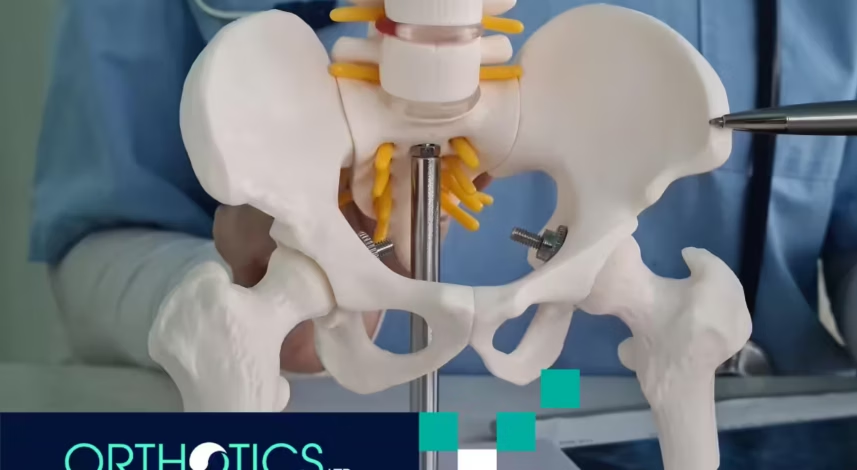
Hip amputations involve the removal of the leg at or near the hip joint. Common causes include:
- Trauma or accidents
- Tumor removal or cancer treatment
- Severe infections or vascular conditions
Challenges for Hip Amputees
- Balance and stability: Lack of proximal support increases fall risk.
- Weight-bearing limitations: The prosthetic must accommodate significant forces during walking and standing.
- Energy expenditure: Ambulation requires more effort compared to lower-level amputations.
Example from Practice: We’ve seen patients initially struggle with simple daily tasks like standing from a chair. After selecting a suitable hip prosthetic and completing targeted physical therapy, they regained the ability to walk independently within weeks.
Types of Hip Prosthetics
Hip prosthetic design depends on the level of amputation and patient goals. Common components include:
1. Hip Joint Systems
- Single-axis hip joints: Simple rotation; suitable for low-activity users.
- Polycentric joints: Multiple pivot points provide stability and a smoother gait for higher-functioning individuals.
- Microprocessor-controlled hip joints: Adjust movement in real time for optimal balance and energy efficiency.
2. Knee Components
Even hip prosthetics often integrate advanced knee systems:
- Mechanical knees: Stable but require conscious control for walking.
- Hydraulic or pneumatic knees: Provide fluid motion and shock absorption.
- Microprocessor knees: Respond dynamically to terrain changes for safer, efficient ambulation.
3. Prosthetic Sockets
- Custom-molded sockets: Distribute pressure evenly and enhance comfort.
- Ischial containment sockets: Provide stability by engaging the pelvis.
- Vacuum-assisted sockets: Improve fit and reduce skin irritation.
Hip Prosthetic Components and Uses
| Component Type | Purpose | Best For |
|---|---|---|
| Single-axis Hip Joint | Basic rotation | Low-activity users |
| Polycentric Hip Joint | Stability, smooth gait | Active users |
| Microprocessor Hip Joint | Adaptive motion, safety | High-performance, variable terrain |
| Custom Socket | Comfort, pressure distribution | All users |
| Vacuum-Assisted Socket | Secure fit, skin protection | Users with sensitive skin |
| Hydraulic/Pneumatic Knee | Shock absorption, fluid motion | Active users |
| Microprocessor Knee | Adaptive walking on slopes or stairs | Advanced users |
Factors to Consider When Choosing a Prosthetic
- Activity Level: Active individuals may benefit from polycentric or microprocessor-controlled joints.
- Weight and Body Composition: Heavier users may require stronger components for durability.
- Skin and Residual Limb Health: Sensitive skin may require specialized sockets or liners.
- Therapy and Rehabilitation Goals: Early engagement with physical therapy improves prosthetic outcomes.
- Lifestyle Needs: Work, sports, and daily activities influence the type of hip prosthetic recommended.
Example from Practice: We’ve seen patients with a sedentary lifestyle do well with a single-axis hip joint, while a recreational hiker required a microprocessor hip joint combined with a hydraulic knee for safe, energy-efficient walking over uneven terrain.
The Role of Physical Therapy
Rehabilitation is essential to maximize the benefits of a hip prosthetic:
- Strength training: Focus on core, hip, and residual limb muscles for stability.
- Balance exercises: Prevent falls and improve gait confidence.
- Gait training: Adjusts walking patterns to reduce energy expenditure and improve efficiency.
- Adaptive strategies: Teach compensatory movements for everyday tasks like climbing stairs or standing from low chairs.
Case Study: A 40-year-old patient post-hip amputation struggled with stairs. Using a polycentric hip joint and guided gait training, the patient achieved independent stair climbing within six weeks.
Innovations in Hip Prosthetics
Microprocessor-Controlled Joints
- Adjust motion in real time for smoother gait
- Reduce risk of falls on slopes or uneven terrain
- Allow natural energy transfer during walking
Advanced Socket Technology
- Vacuum-assisted systems enhance comfort and security
- Custom molds reduce skin irritation and pressure points
- Lightweight materials improve wearability for extended periods
Sports and High-Performance Prosthetics
- High-activity users can access carbon-fiber components for energy return
- Designed for running, hiking, and low-impact sports
- Allow competitive participation and improved confidence
Example from Practice: We’ve seen active users resume hiking and recreational sports with microprocessor hip joints and lightweight sockets, significantly enhancing mobility and independence.
Common Challenges and Solutions
| Challenge | Solution | Example from Practice |
|---|---|---|
| Skin irritation | Vacuum-assisted socket or liner | A patient with sensitive skin returned to full-day prosthetic wear without discomfort |
| Instability or falls | Polycentric or microprocessor hip joint | A patient regained confidence walking on uneven terrain after transition from a single-axis hip joint |
| Fatigue during ambulation | Lightweight materials and optimized socket | Patients reported reduced fatigue on daily walks and work tasks |
| Limited daily function | Physical therapy and activity-specific training | Gait training allowed independent stair climbing and chair transfers |
Making the Right Choice
Choosing a hip prosthetic is a collaborative process involving:
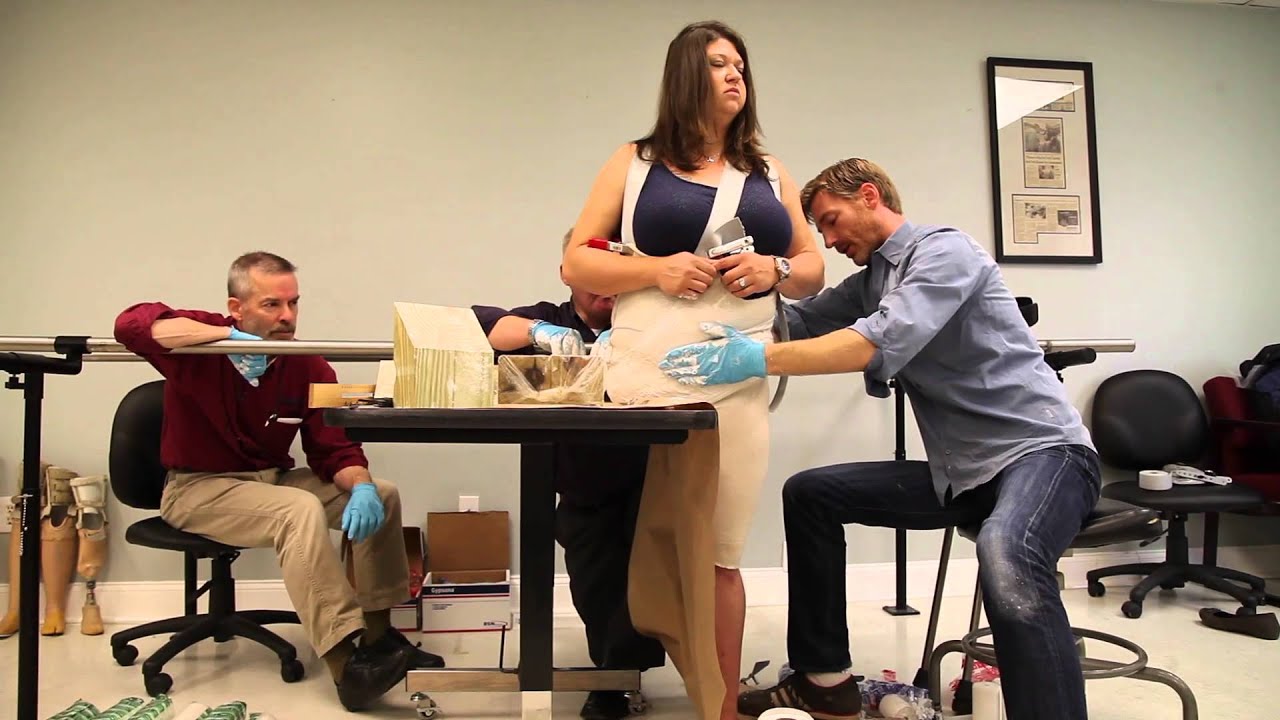
- Prosthetist evaluation and socket fitting
- Physical therapist-guided training
- Patient input regarding lifestyle, goals, and comfort
- Trial periods with adjustments for optimal fit and function
Example from Practice: We’ve observed patients who tested multiple socket designs and hip joints before settling on a combination that allowed safe, efficient ambulation and return to preferred activities.
Final Thoughts
Selecting the right prosthetic for hip amputees is crucial for restoring independence, mobility, and quality of life. By considering activity levels, socket comfort, joint mechanics, and rehabilitation needs, patients can achieve successful outcomes. Professional guidance, customized solutions, and ongoing therapy are essential for safe, effective use.
At Orthotics Ltd., we help hip amputees navigate prosthetic options, providing expert assessment, fitting, and support to ensure mobility, comfort, and confidence in daily life. Contact us today!
Frequently Asked Questions
1. How long does it take to adapt to a hip prosthetic?
Adaptation varies, typically 4–12 weeks, depending on amputation level, prosthetic type, and therapy adherence.
2. Can hip prosthetics be used for sports and high-activity tasks?
Yes, high-performance prosthetics with carbon-fiber components or microprocessor joints support sports and recreational activities.
3. Do all hip amputees need microprocessor-controlled joints?
Not necessarily; the choice depends on activity level, terrain, and personal goals.
4. How often should a hip prosthetic be adjusted or replaced?
Sockets and joints require evaluation every 6–12 months to ensure fit, comfort, and function.
5. Are hip prosthetics suitable for older adults or those with health conditions?
Yes, components can be customized to prioritize stability, comfort, and low-energy ambulation for older or medically fragile individuals.
Sources:
- https://www.physio-pedia.com/Prosthetics_for_Individuals_with_Hip_Disarticulation_and_Hemipelvectomy_Amputations
- https://pmc.ncbi.nlm.nih.gov/articles/PMC5380801/
- https://pmc.ncbi.nlm.nih.gov/articles/PMC6384837/
- https://www.physio-pedia.com/Prosthetic_rehabilitation
- https://pmc.ncbi.nlm.nih.gov/articles/PMC7649908/
