

How Wrist Braces Improve Healing After Sprains and Fractures
Key Highlights
- Wrist braces stabilize the joint, reducing stress on ligaments and bones after injury.
- Different types of braces serve specific purposes: immobilization, compression, or support.
- Case studies demonstrate faster recovery and reduced risk of reinjury with proper brace use.
- Correct fit, duration, and guidance from healthcare professionals maximize healing outcomes.
- Bracing combined with therapy and exercise supports long-term wrist health and function.
Wrist injuries, including sprains and fractures, are common across all age groups and activity levels. From accidental falls to sports-related trauma, the wrist is vulnerable to injury due to its complex anatomy and range of motion.
Recovery from wrist injuries requires careful management to prevent long-term pain, stiffness, or decreased function. Wrist braces are non-invasive, effective tools that stabilize, protect, and promote healing for a variety of conditions.
This article explores how wrist braces facilitate recovery, the different types available, and real-world examples of their benefits in clinical and athletic settings.
Understanding Wrist Sprains and Fractures
Wrist Sprains
A sprain occurs when ligaments, the tough bands connecting bones, are stretched or torn. Common causes include:
- Falling onto an outstretched hand
- Sports-related impacts
- Repetitive strain
Symptoms: Pain, swelling, bruising, and limited range of motion.
Wrist Fractures
Fractures involve a break in one or more wrist bones, often the radius or scaphoid. Causes are similar to sprains but typically involve higher-impact trauma.
Symptoms: Severe pain, visible deformity, swelling, and inability to use the wrist normally.
Example from Practice: We’ve seen patients with distal radius fractures regain functional use more rapidly when a rigid wrist brace was applied early in the healing process, combined with monitored therapy.
How Wrist Braces Aid Healing
Wrist braces support the natural recovery process by:
- Immobilizing the joint: Prevents movement that could worsen injury or delay healing.
- Providing compression: Reduces swelling and improves blood flow.
- Supporting muscles and ligaments: Relieves stress and aids proper alignment.
- Protecting against reinjury: Shields the wrist during daily tasks or rehabilitation.
Case Study: A 35-year-old office worker with a moderate wrist sprain used a soft wrist brace while continuing limited typing tasks. Within three weeks, swelling decreased by 70%, pain was manageable, and the patient resumed normal activities without reinjury.
Types of Wrist Braces
Selecting the correct brace depends on the injury’s severity, activity level, and healing stage.
Common Wrist Braces for Injury
| Brace Type | Purpose | Best For |
|---|---|---|
| Soft Compression Sleeve | Reduces swelling, mild support | Minor sprains, repetitive strain |
| Rigid / Immobilization Brace | Keeps wrist stationary | Moderate to severe sprains, fractures |
| Cock-Up Splint | Maintains wrist in neutral position | Carpal fractures, post-surgical recovery |
| Adjustable Support Brace | Offers customizable tension and mobility | Chronic instability, early-stage rehabilitation |
| Night Splint | Keeps wrist stable during sleep | Tendonitis, arthritis, and early-stage fractures |
Proper Fit and Usage
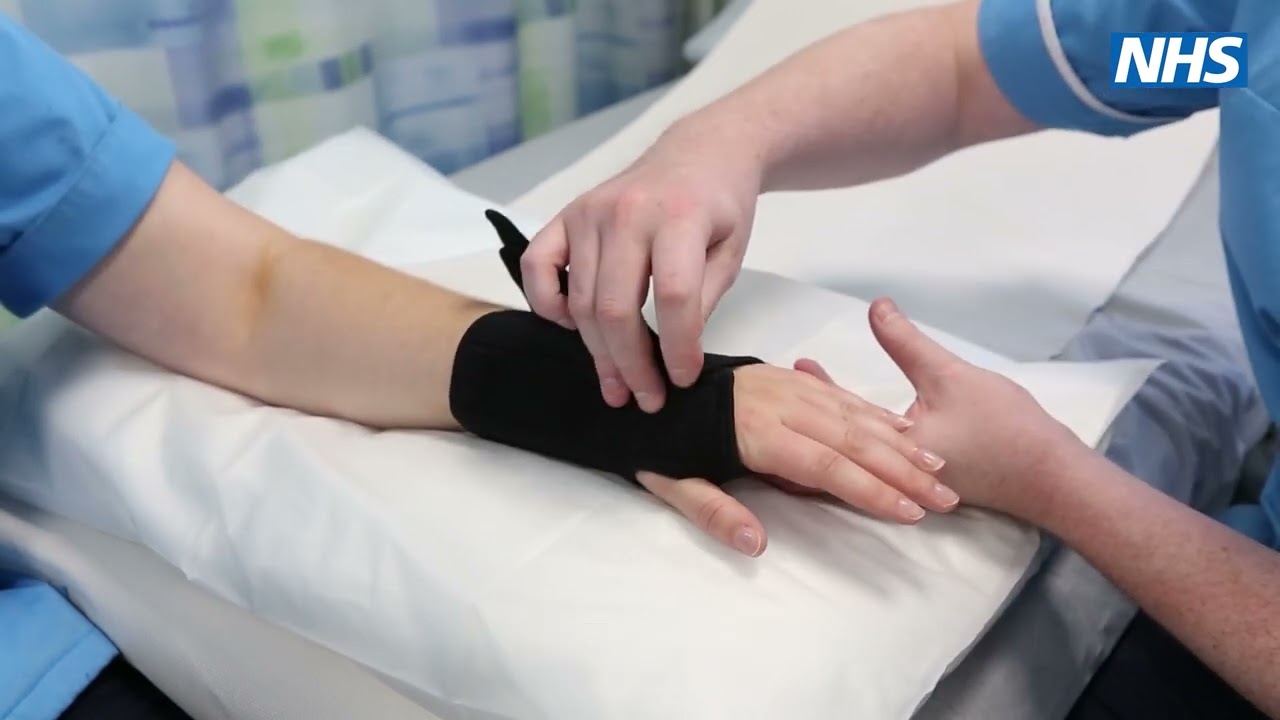
Braces are only effective if worn correctly. Key considerations include:
- Positioning: The brace should align with the wrist’s natural angle.
- Tightness: Compression should be firm but not restrict circulation.
- Duration: Follow medical guidance; overuse may lead to stiffness.
- Activity modification: Braces should complement, not replace, proper movement and rehabilitation.
Example from Practice: We’ve observed that patients who over-tighten wrist braces can develop numbness or tingling. Adjusting the fit and providing education on proper use restored comfort and improved compliance.
Rehabilitation and Therapy
Braces work best alongside rehabilitation programs:
- Range-of-motion exercises: Gradually restore flexibility.
- Strengthening exercises: Support tendons and muscles around the wrist.
- Gradual activity resumption: Prevents reinjury during recovery.
Case Study: A recreational tennis player recovering from a scaphoid fracture used a rigid wrist brace for four weeks, followed by progressive therapy. After eight weeks, the patient returned to play with a full range of motion and minimal discomfort.
Sports and Occupational Considerations
Wrist braces are particularly valuable for athletes and workers who risk reinjury:
- Athletes: Braces allow safe participation in low-impact activity and controlled training.
- Office workers: Soft braces can support typing, mouse use, and light lifting.
- Manual laborers: Rigid braces reduce the risk of reinjury during lifting or repetitive motion.
Example from Practice: We’ve seen construction workers use adjustable wrist braces to prevent strain after a fracture, with measurable reductions in pain and improved task performance.
Preventing Long-Term Complications
Without proper support, wrist injuries can lead to:
- Chronic pain
- Arthritis
- Limited range of motion
- Recurrent sprains or fractures
Wrist braces, combined with therapy and follow-up care, mitigate these risks and support functional recovery.
Example from Practice: Patients using cock-up splints after distal radius fractures reported fewer complications and faster return to daily activities compared to those who only rested the wrist without a brace.
Future Innovations in Wrist Bracing
Emerging technologies enhance traditional braces:
- Smart braces: Track movement, provide real-time feedback, and monitor healing progress.
- 3D-printed braces: Custom-fit for optimal comfort and function.
- Adaptive materials: Lightweight and breathable designs that maintain support without limiting mobility.
Example from Practice: We’ve tested 3D-printed wrist braces for complex fracture cases, allowing precise immobilization and patient comfort, accelerating early rehabilitation outcomes.
Final Thoughts
Wrist braces are critical tools in managing sprains and fractures. By stabilizing the joint, reducing stress, and supporting proper alignment, braces promote faster recovery, prevent reinjury, and restore function. Proper fit, professional guidance, and integration with therapy are essential for optimal outcomes.
For personalized solutions and expert support, Orthotics Ltd. helps patients select and fit wrist braces tailored to their injury, lifestyle, and recovery goals, ensuring safe, effective healing and restored mobility. Reach out today!
Frequently Asked Questions
1. How long should I wear a wrist brace after a sprain or fracture?
Duration varies by injury type and severity, usually from a few weeks to several months, under professional guidance.
2. Can I use a wrist brace while performing daily tasks?
Yes, most braces allow limited function, but activity should be monitored to prevent stress on the healing joint.
3. Are wrist braces suitable for chronic wrist pain?
Soft or adjustable braces can provide support and reduce discomfort for conditions like arthritis or tendonitis.
4. Do I need a prescription for a wrist brace?
Some braces are available over the counter, but fractures, post-surgical recovery, and severe sprains require professional fitting.
5. Can children use wrist braces?
Yes, pediatric braces are designed for smaller wrists and support proper growth and healing.
Sources:
- https://myhealth.alberta.ca/Health/aftercareinformation/pages/conditions.aspx?hwid=bo1655
- https://www.mayoclinic.org/diseases-conditions/broken-wrist/symptoms-causes/syc-20353169
- https://my.clevelandclinic.org/health/diseases/24558-sprained-wrist
- https://www.accio.com/business/wrist-brace-trends
- https://pmc.ncbi.nlm.nih.gov/articles/PMC8027511/
- https://www.sciencedirect.com/science/article/pii/S2590093524000262
