

Custom Prosthetics for Trauma Survivors
Key Highlights
- Custom prosthetics restore mobility, confidence, and independence for trauma survivors.
- Trauma-related amputations require personalized assessment and design for optimal fit.
- Advanced materials and technology improve comfort, functionality, and durability.
- Rehabilitation and ongoing support are critical for successful prosthetic use.
- Collaborative care between the prosthetist, therapist, and patient ensures the best outcomes.
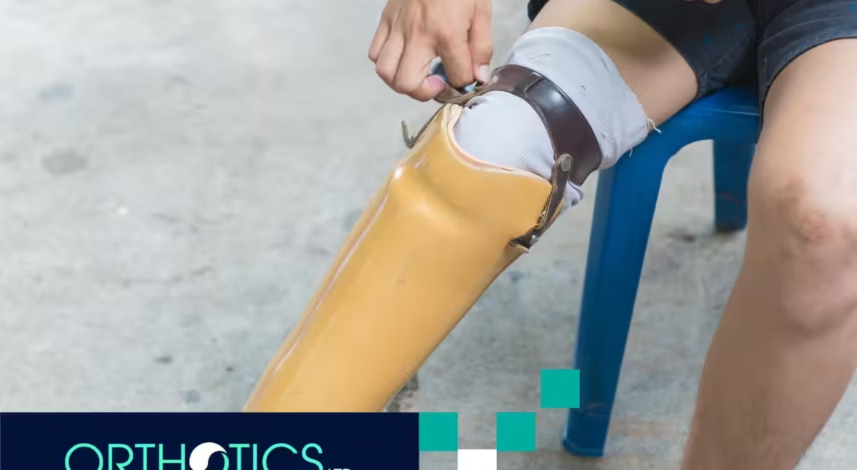
Traumatic injuries can result in partial or full limb loss, significantly impacting a person’s mobility, independence, and quality of life. For trauma survivors, prosthetic devices are more than tools—they are essential for regaining function, confidence, and a sense of normalcy. Custom prosthetics are designed specifically to meet the unique needs of individuals who have experienced trauma, taking into account the injury, residual limb condition, and lifestyle goals.
In this article, we explore the role of custom prosthetics for trauma survivors, current innovations, rehabilitation strategies, and the future of personalized prosthetic care.
Understanding Trauma-Related Amputations
Trauma-related amputations may result from:
- Accidents (vehicle, industrial, or sports-related)
- Severe burns or crush injuries
- Military combat or blast injuries
- Infections that compromise limb viability
These amputations often differ from congenital or disease-related limb loss because they can involve complex residual limb shapes, scar tissue, and tissue sensitivity. This makes customization of the prosthetic especially important to ensure comfort, mobility, and long-term health.
Why Custom Prosthetics Are Critical
Custom prosthetics provide a range of benefits for trauma survivors:
- Optimized Fit: Trauma can leave residual limbs irregularly shaped; custom sockets accommodate these variations.
- Enhanced Comfort: Pressure points and sensitive areas can be avoided with personalized designs.
- Improved Functionality: Devices can be tailored for walking, running, lifting, or performing daily activities.
- Psychological Benefits: A well-fitted prosthetic helps restore confidence and self-image.
- Long-Term Health: Proper fit reduces skin breakdown, irritation, and musculoskeletal strain.
Comparison of Standard vs. Custom Prosthetics for Trauma Survivors
| Feature | Standard Prosthetic | Custom Prosthetic |
|---|---|---|
| Fit | One-size-fits-all or limited sizes | Precisely molded to the residual limb |
| Comfort | May cause pressure points | Optimized for comfort, avoids sensitive areas |
| Function | Basic mobility | Activity-specific, functional enhancements |
| Adaptability | Limited adjustments | Adjustable or modular for changes in limb volume |
| Aesthetics | Generic appearance | Personalized, realistic design options |
| Rehabilitation | May require longer adaptation | Streamlined with therapy integration |
Steps in Custom Prosthetic Design
1. Comprehensive Assessment
A prosthetist evaluates:
- Residual limb length and shape
- Tissue condition and sensitivity
- Muscle strength and mobility
- Patient goals and daily activity needs
2. Custom Socket Fabrication
The socket is the interface between the limb and prosthetic device. For trauma survivors, it must:
- Accommodate scar tissue and irregular shapes
- Provide stability without causing pressure points
- Integrate advanced materials for comfort and durability
3. Component Selection
The prosthetic components—knee, foot, hand, or elbow—are chosen based on:
- Level of amputation
- Activity level (daily living, work, sports)
- Weight and strength considerations
4. Fitting and Alignment
Precise fitting ensures:
- Correct limb alignment for gait and posture
- Even pressure distribution to prevent irritation
- Efficient energy transfer for mobility
5. Rehabilitation and Training
Physical and occupational therapy help survivors:
- Learn to walk or move with the prosthetic
- Build strength and balance
- Adapt to functional tasks safely
Innovations in Custom Prosthetics
Advanced Materials
Materials like carbon fiber, titanium, and lightweight polymers improve:
- Durability
- Energy efficiency
- Comfort and wearability
3D Scanning and Printing
3D scanning captures exact limb shape, enabling:
- Precision socket fabrication
- Faster production times
- Iterative adjustments without repeated casting
Smart and Sensor-Integrated Prosthetics
Emerging technologies include:
- Pressure and motion sensors to prevent skin issues
- Real-time feedback for gait correction
- Integration with advanced myoelectric or adaptive components
Adjustable and Modular Designs
- Air bladders or modular socket systems accommodate changes in residual limb size
- Provide comfort throughout the day and long-term adaptability
Rehabilitation: Key to Success
Even the best custom prosthetic requires training for optimal use. Rehabilitation programs typically include:
- Gait Training: Teaching proper walking mechanics for lower-limb prosthetics.
- Strengthening Exercises: Building core, limb, and joint strength to support prosthetic use.
- Functional Training: Learning to perform daily tasks, work, or sports.
- Skin Care Education: Preventing irritation and sores through monitoring and hygiene.
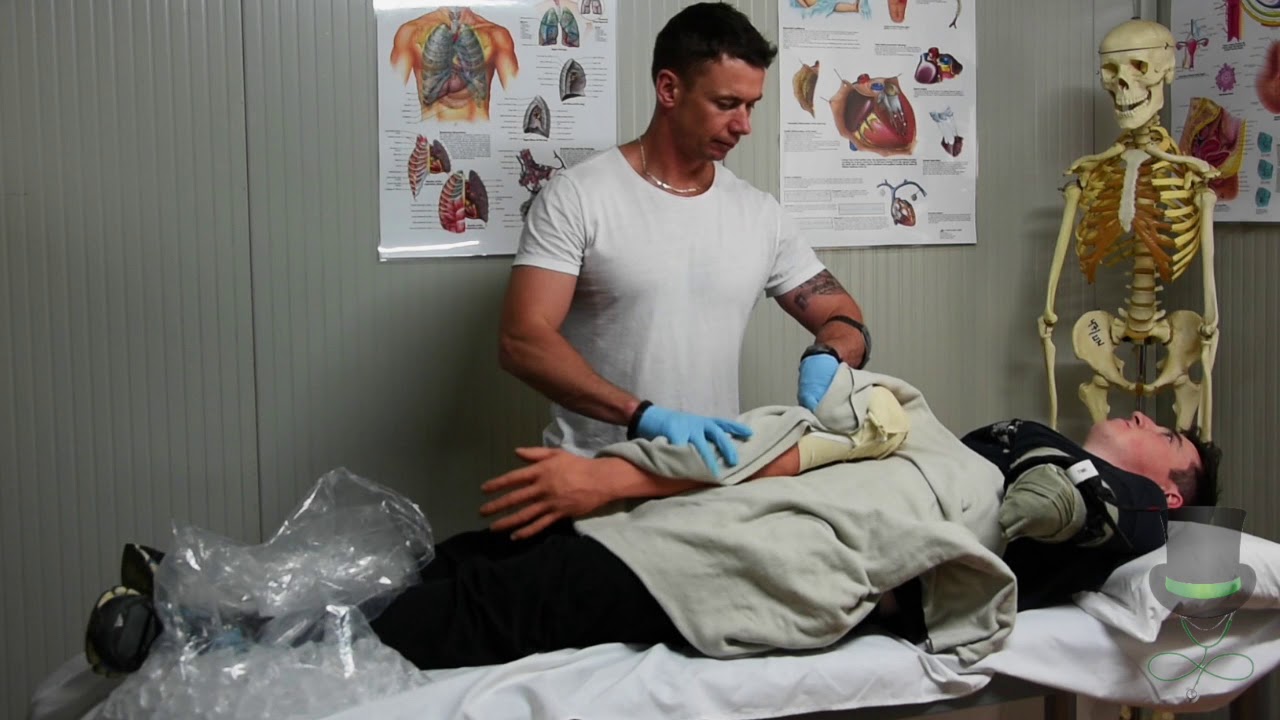
Active participation in therapy ensures trauma survivors can maximize independence and quality of life.
Psychological and Emotional Considerations
Trauma survivors often face:
- Anxiety about using a prosthetic
- Changes in body image or self-esteem
- Fear of re-injury or device malfunction
Counseling, peer support, and patient-centered care can improve adjustment and mental health, ensuring both physical and emotional rehabilitation.
Challenges in Custom Prosthetic Care
- Residual Limb Complexity: Trauma can create irregular or sensitive limb shapes.
- Cost and Accessibility: Custom and advanced prosthetics may require insurance or financial assistance.
- Frequent Adjustments: Changes in limb volume or tissue condition may necessitate ongoing modifications.
- Activity Demands: High-performance prosthetics may be needed for work or sports, requiring specialized design.
Despite these challenges, the benefits of custom prosthetics far outweigh limitations when paired with proper care and expert guidance.
Future Trends in Custom Prosthetics
- AI and Machine Learning: Predict limb changes and optimize socket adjustments.
- Biofeedback Systems: Sensors integrated with prosthetics to monitor movement, pressure, and alignment.
- 3D-Printed Prosthetics: Rapid production of lightweight, personalized devices.
- Tele-rehabilitation: Remote fitting and adjustment guidance to improve accessibility.
- Sustainable Materials: Eco-friendly yet durable prosthetic components.
These trends promise to make prosthetics more comfortable, functional, and accessible for trauma survivors worldwide.
Final Thoughts
Custom prosthetics play a vital role in helping trauma survivors regain mobility, independence, and confidence. By combining advanced materials, precise fabrication, and rehabilitation, personalized prosthetic solutions address both physical and emotional challenges. Trauma survivors benefit from devices that accommodate unique limb conditions, activity needs, and long-term health.
For expert guidance and custom prosthetic solutions tailored to trauma survivors, Orthotics Ltd. provides individualized care designed to maximize comfort, function, and quality of life. Reach out today!
Frequently Asked Questions
1. How long does it take to get a custom prosthetic?
Custom prosthetic fabrication, including fitting and adjustment, can take several weeks, depending on complexity and technology used.
2. Can custom prosthetics accommodate scar tissue or irregular limb shapes?
Yes. Advanced scanning, molding, and adjustable designs ensure comfort and stability for irregular or sensitive residual limbs.
3. Are custom prosthetics suitable for active or athletic patients?
Absolutely. Prosthetics can be designed specifically for sports, work, or high-activity lifestyles.
4. How often should a custom prosthetic be adjusted?
Regular check-ups every 6–12 months are recommended, with adjustments made for limb changes, comfort, or activity needs.
5. Can trauma survivors use smart prosthetic technology?
Yes. Sensor-integrated or myoelectric prosthetics can monitor fit, alignment, and movement to improve function and safety.
Sources:
- https://medlineplus.gov/ency/article/000006.htm
- https://www.merckmanuals.com/home/special-subjects/limb-prosthetics/prosthesis-parts
- https://www.physio-pedia.com/Prosthetic_rehabilitation
- https://pmc.ncbi.nlm.nih.gov/articles/PMC7340716/
- https://www.jhuapl.edu/work/projects-and-missions/revolutionizing-prosthetics
