

The Future of Prosthetic Socket Technology
Key Highlights
- Prosthetic socket technology is evolving rapidly with new materials and designs.
- 3D printing and advanced scanning are enabling fully customized sockets.
- Smart sockets with sensors monitor pressure and movement for a better fit.
- Improved socket comfort reduces skin irritation and enhances mobility.
- Future trends aim to combine functionality, comfort, and patient-specific solutions.
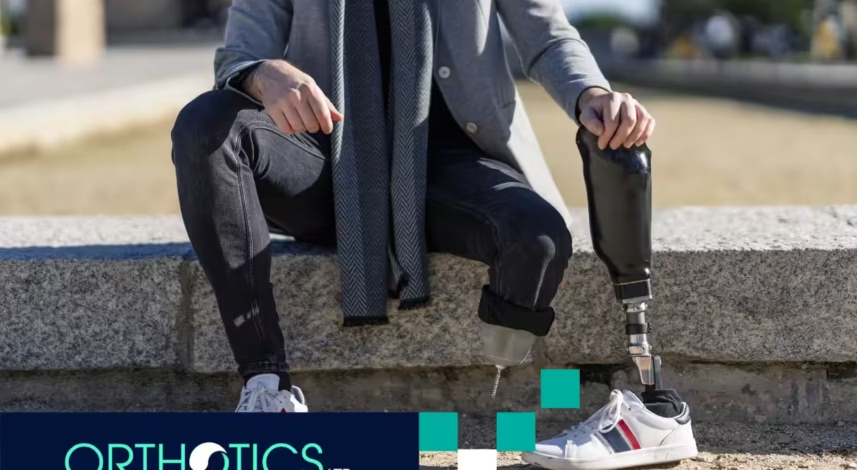
Prosthetic sockets are the critical interface between an amputee’s residual limb and the prosthetic device. They determine comfort, fit, and overall prosthetic function. For decades, amputees have faced challenges with discomfort, skin irritation, and limited mobility due to poorly fitted or outdated sockets. However, recent innovations in prosthetic socket technology are transforming the field, making prosthetics more comfortable, functional, and personalized than ever before.
This article explores current advances, emerging trends, and the future of prosthetic socket technology, helping patients and caregivers understand what to expect in the next generation of prosthetic solutions.
What Is a Prosthetic Socket?
A prosthetic socket is the portion of a prosthetic device that connects directly to the residual limb. It must provide:
- Stability: Keeping the prosthetic secure during movement.
- Comfort: Avoiding pressure points, skin breakdown, or irritation.
- Functionality: Allowing the user to perform daily activities efficiently.
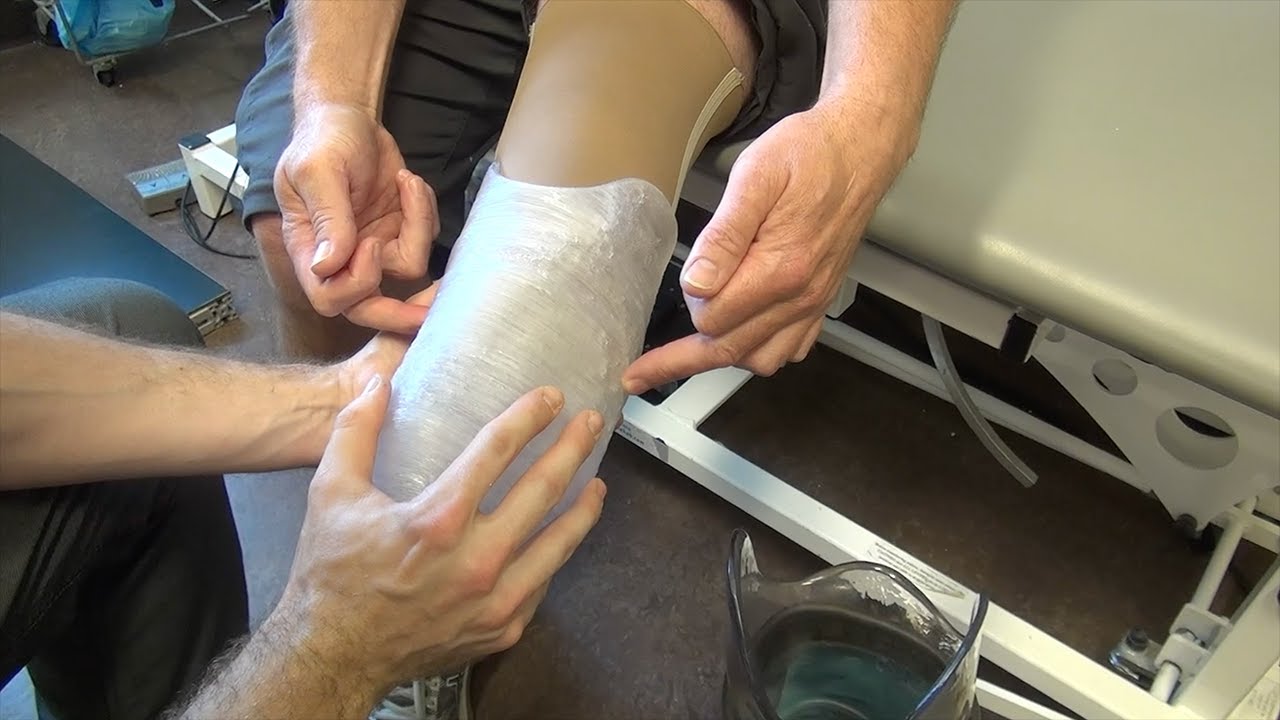
Traditionally, prosthetic sockets were made using manual casting techniques with materials like thermoplastics or laminated composites. While functional, these methods often required repeated adjustments to ensure a proper fit.
Current Innovations in Prosthetic Socket Technology
1. 3D Scanning and Printing
3D scanning captures precise measurements of the residual limb, allowing for highly accurate socket design. Combined with 3D printing, this enables:
- Customized sockets tailored to each limb’s unique shape.
- Faster production times compared to traditional fabrication.
- Lightweight, durable materials for improved comfort and mobility.
2. Smart and Sensor-Integrated Sockets
Smart and sensor-integrated prosthetic sockets incorporate sensors to monitor pressure, temperature, and alignment in real time. Benefits include:
- Early detection of pressure points or skin irritation.
- Feedback for adjusting fit and alignment dynamically.
- Data collection for therapists to optimize rehabilitation programs.
3. Adjustable and Modular Sockets
Adjustable sockets use air bladders or modular components to:
- Accommodate residual limb volume changes throughout the day.
- Enhance comfort during long periods of prosthetic use.
- Reduce the need for frequent professional adjustments.
4. Advanced Materials
Modern sockets utilize advanced polymers, carbon fiber, and lightweight composites to:
- Increase durability and reduce weight.
- Improve energy efficiency during walking or running.
- Provide better thermal regulation and skin comfort.
How Prosthetic Socket Technology Impacts Daily Life
A well-fitted socket improves quality of life by:
- Reducing skin irritation, sores, and infection risk.
- Enhancing mobility and independence.
- Allowing longer wear time with increased comfort.
- Supporting higher activity levels, including sports or work-related tasks.
Poor socket fit can cause pain, decreased mobility, and even abandonment of the prosthetic device. Therefore, technological improvements directly affect both physical and mental well-being.
Comparison of Traditional vs. Advanced Prosthetic Sockets
| Feature | Traditional Socket | Advanced/Next-Gen Socket |
|---|---|---|
| Fabrication | Manual casting, laminated | 3D scanning, 3D printing |
| Materials | Thermoplastics, laminates | Carbon fiber, lightweight composites |
| Fit Accuracy | Requires frequent adjustments | Highly personalized, precise fit |
| Comfort | Moderate, may cause pressure points | Enhanced with adjustable designs & sensors |
| Monitoring | Manual observation | Real-time sensors for pressure, alignment, and temperature |
| Adaptability | Limited | Adjustable/modular for limb volume changes |
| Production Time | Several days to weeks | Rapid, often within hours |
Emerging Trends in Prosthetic Socket Technology
1. Fully Personalized Prosthetics
Advances in AI and machine learning allow designers to predict limb shape changes and recommend socket adjustments proactively. This helps:
- Reduce the risk of skin irritation.
- Improve long-term prosthetic comfort and usability.
2. Integration with Smart Prosthetics
Next-generation sockets will communicate with advanced prosthetic components, such as:
- Myoelectric arms that respond to muscle signals.
- Lower-limb devices with adaptive knees and feet.
- Feedback loops that optimize gait and motion automatically.
3. Sustainable Materials
Researchers are exploring recyclable and environmentally friendly materials without compromising strength or comfort. This aligns with global sustainability trends while meeting patient needs.
4. Virtual Fitting and Teleprosthetics
Remote scanning, modeling, and adjustment will allow amputees to receive custom sockets without multiple in-person visits. This is particularly beneficial for:
- Patients in remote or underserved areas.
- Faster iterative improvements during rehabilitation.
Challenges and Considerations
Despite promising advances, several challenges remain:
- Cost: High-tech sockets are often more expensive than traditional designs.
- Training: Patients and clinicians need to learn how to operate sensor-based or adjustable sockets.
- Durability vs. Flexibility: Balancing lightweight materials with long-term strength remains a key design concern.
- Accessibility: Advanced socket technology may not yet be available in all regions.
Overcoming these challenges will be critical to ensuring that all amputees can benefit from next-generation prosthetic technology.
Tips for Choosing the Right Prosthetic Socket
- Consult a Certified Prosthetist: Professional assessment ensures the best fit.
- Consider Your Activity Level: Choose a socket designed to support your lifestyle, whether sedentary, active, or athletic.
- Evaluate Materials: Look for lightweight, durable, and breathable options.
- Ask About Adjustability: Adjustable sockets can accommodate limb volume changes and long-term comfort.
- Discuss Technological Features: Sensors, data tracking, and feedback systems can enhance safety and mobility.
The Future Outlook
Prosthetic socket technology is moving toward a fully integrated, personalized experience. In the coming years, amputees can expect:
- Sockets that adapt in real time to pressure and movement.
- Seamless integration with advanced prosthetic components.
- Faster, more accurate fabrication processes.
- Greater access to customized solutions worldwide.
These innovations will make prosthetic devices more comfortable, functional, and intuitive, empowering amputees to lead active, independent lives.
Final Thoughts
The future of prosthetic socket technology promises to transform the lives of amputees by providing unprecedented comfort, fit, and functionality. From 3D-printed custom sockets to smart, sensor-integrated designs, advancements are creating prosthetics that truly meet the unique needs of each individual.
For personalized prosthetic solutions and access to the latest socket technology, Orthotics Ltd. works closely with patients to ensure comfort, mobility, and a higher quality of life. Contact us today!
Frequently Asked Questions
1. How long does it take to get a custom prosthetic socket?
With 3D scanning and printing, some custom sockets can be fabricated in hours, though traditional methods may take several days to weeks.
2. Can advanced sockets reduce skin irritation?
Yes. Sensors, adjustable designs, and precise fit help minimize pressure points and skin issues.
3. Are smart sockets suitable for all amputees?
Smart sockets are beneficial for many, but suitability depends on activity level, limb condition, and budget.
4. How often should prosthetic sockets be checked or replaced?
Sockets should be reviewed every 6–12 months, with replacement needed if wear, limb changes, or discomfort occur.
5. Are adjustable sockets better than traditional ones?
Adjustable sockets offer more comfort and flexibility, especially for daily wear and active lifestyles, but patient preference and specific needs determine the best choice.
Sources:
- https://pmc.ncbi.nlm.nih.gov/articles/PMC11014038/
- https://pmc.ncbi.nlm.nih.gov/articles/PMC7046914/
- https://pmc.ncbi.nlm.nih.gov/articles/PMC10626671/
- https://www.physio-pedia.com/Lower_Limb_Prosthetic_Sockets_and_Suspension_Systems
- https://www.sciencedirect.com/science/article/pii/S2666188825003491
- https://pmc.ncbi.nlm.nih.gov/articles/PMC12117838/
