

Differences Between Traditional and Modern Socket Systems
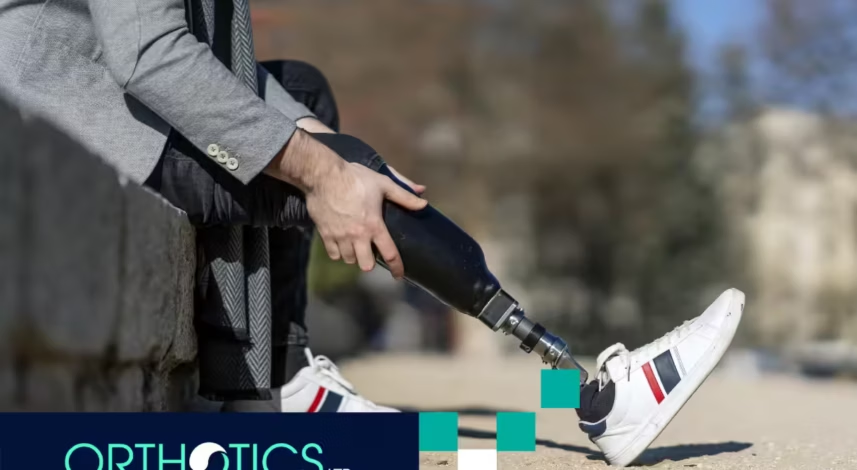
Explore the differences between traditional and modern socket systems, including comfort, fit, mobility, and technological advancements for prosthetic users.
Key Highlights:
- Modern socket systems offer improved fit, comfort, and mobility.
- Traditional sockets remain durable but may require frequent adjustments.
- Materials and design innovations impact performance and user experience.
- Real-world case studies show adaptation benefits with modern systems.
- Expert insights emphasize personalized socket selection for optimal outcomes.
What is a Socket System?
A prosthetic socket is the part of the prosthesis that fits around the residual limb, ensuring secure attachment and weight distribution. Its main functions include:- Support: Transfers body weight to the prosthetic limb.
- Stability: Maintains proper alignment for walking and activity.
- Comfort: Reduces pressure points and skin irritation.
Traditional Socket Systems
Traditional sockets are often made from laminated or thermoplastic materials shaped manually or with molds. They have been the standard for decades and are known for their durability. Advantages:- Durability: Robust and long-lasting.
- Proven Performance: Decades of clinical experience.
- Lower Cost: Typically less expensive than advanced modern systems.
- Fit Issues: May not perfectly conform to limb contours, leading to pressure points.
- Adjustment Frequency: Requires regular modifications as limb volume changes.
- Limited Suspension Options: Can be less secure for high-activity users.
Modern Socket Systems
Modern socket systems incorporate advanced materials, digital scanning, and modular designs to improve comfort, function, and user satisfaction. Examples include vacuum-assisted suspension, adjustable sockets, and 3D-printed custom sockets. Advantages:- Enhanced Fit: Digital scanning allows precise customization for individual limb shape.
- Comfort: Advanced materials distribute pressure more evenly.
- Mobility: Improved suspension reduces movement inside the socket.
- Adjustable Design: Some systems allow minor adjustments without complete remaking.
- Aesthetic Options: Can be designed for slimmer profiles and better integration with prosthetic covers.
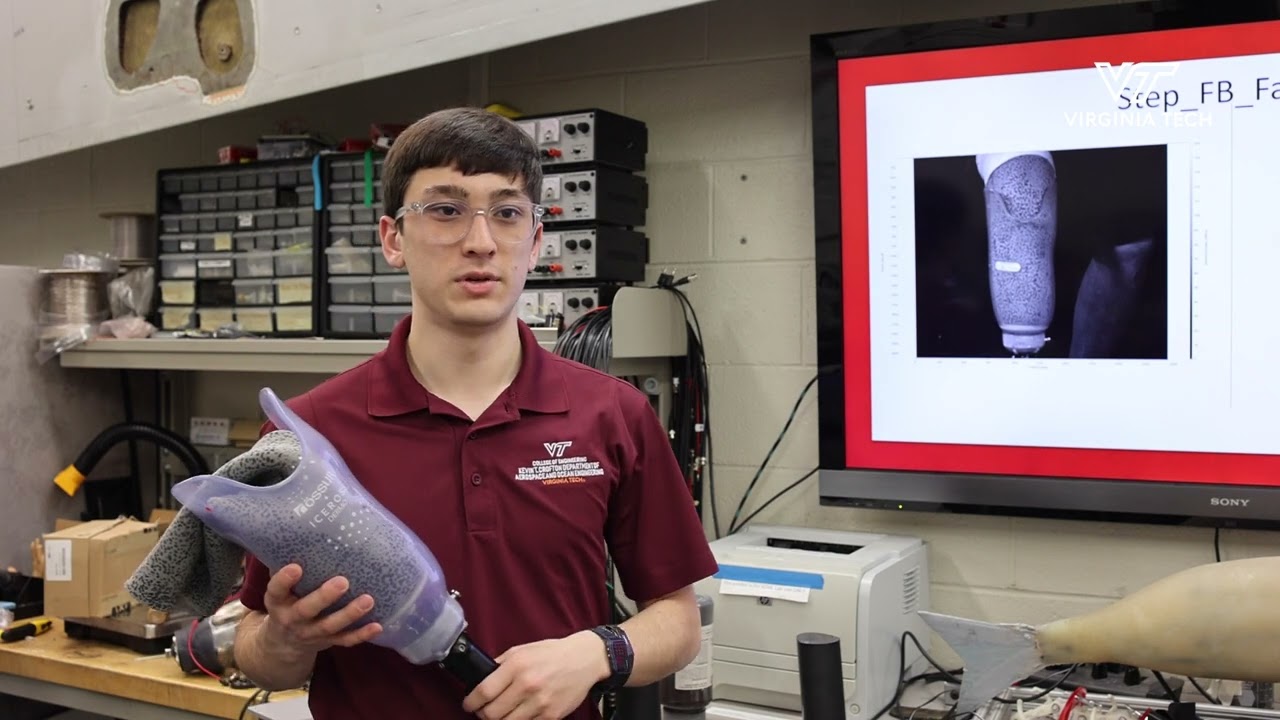 Case Study: A patient transitioning from a traditional socket to a vacuum-assisted modern socket reported significantly reduced skin irritation, increased daily wear time, and improved gait symmetry within two weeks.
Comparing Key Features
| Feature | Traditional Sockets | Modern Sockets |
|---|---|---|
| Fit | Manual shaping, less precise | Digital scanning, highly customized |
| Comfort | Moderate, pressure points possible | High, evenly distributed pressure |
| Materials | Thermoplastic, laminated | Silicone, carbon fiber, and advanced polymers |
| Suspension | Limited options | Vacuum, pin-lock, adjustable systems |
| Adjustment Needs | Frequent remolding required | Adjustable, fewer modifications |
| Cost | Lower | Higher due to customization and tech |
| Mobility Support | Standard | Enhanced, suitable for active lifestyles |
Materials and Technology
Modern socket systems use a combination of:- Silicone Liners: For cushioning and comfort.
- Carbon Fiber Composites: Lightweight, strong, and flexible.
- Vacuum Technology: Enhances suspension and reduces limb volume fluctuation.
- 3D Printing: Allows precise customization and rapid prototyping.
Transitioning from Traditional to Modern
Patients considering an upgrade should follow a structured adaptation plan:- Initial Assessment: Evaluate limb health, activity level, and socket fit.
- Gradual Wear: Start with limited hours to allow tissue adaptation.
- Monitoring: Track pressure points, skin integrity, and gait changes.
- Professional Guidance: Regular follow-ups with a certified prosthetist.
Benefits Beyond Comfort
- Improved Gait Mechanics: Modern sockets enhance alignment, reducing compensatory movements that can cause joint pain.
- Psychological Well-Being: A better fit and aesthetics can increase user confidence.
- Long-Term Health: Reduces risk of skin breakdown and musculoskeletal complications.
Maintenance Tips
- Inspect the socket regularly for cracks, wear, or loose suspension.
- Clean liners and socket surfaces as recommended.
- Schedule periodic professional evaluations to maintain fit and function.
When to Seek Professional Advice
Seek immediate guidance if you experience:- Persistent pain or pressure sores.
- Frequent movement of the residual limb inside the socket.
- Significant changes in gait or posture.
Final Thoughts
Understanding the differences between traditional and modern socket systems is essential for maximizing comfort, mobility, and long-term limb health. Modern systems provide superior fit, comfort, and functionality, while traditional sockets remain a durable and cost-effective option. Real-world examples and clinical experience consistently demonstrate the advantages of modern designs, particularly for active users or those experiencing frequent fit issues. For personalized guidance in selecting the right socket system for your needs, Orthotics Ltd. offers expert assessment, fitting, and follow-up support to ensure optimal prosthetic performance. Contact us today!Frequently Asked Questions
1. What are the main differences between traditional and modern sockets?
Modern sockets offer enhanced fit, comfort, and mobility, often using advanced materials and suspension technologies, while traditional sockets are durable but less precise.2. How long does it take to adapt to a modern socket?
Adaptation typically takes 2-4 weeks with a gradual increase in wear time.3. Are modern sockets more expensive?
Yes, due to customization, advanced materials, and technology used in manufacturing.4. Can I switch from a traditional to a modern socket?
Yes, with professional assessment and a gradual break-in plan.5. How do I maintain my socket for long-term use?
Regular inspections, cleaning, and professional check-ups ensure longevity and optimal performance.Sources:
- https://www.physio-pedia.com/Lower_Limb_Prosthetic_Sockets_and_Suspension_Systems
- https://pmc.ncbi.nlm.nih.gov/articles/PMC10626671/
- https://www.hp.com/us-en/printers/3d-printers/industries/orthotics-prosthetics/prosfit.html
- https://pmc.ncbi.nlm.nih.gov/articles/PMC5423533/
