

Breaking in New Orthotics: What to Expect
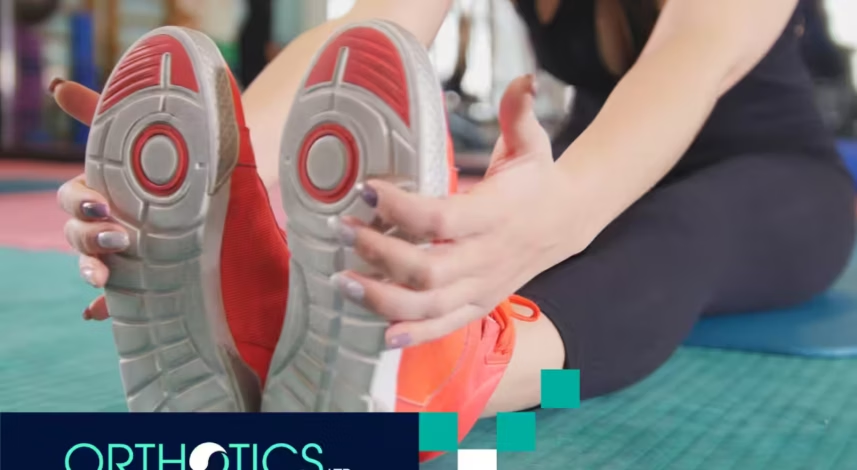
Learn what to expect when breaking in new orthotics, including adjustment periods, comfort tips, and expert guidance for effective use.
Key Highlights:
- Breaking in new orthotics takes time and gradual adjustment.
- Initial discomfort is normal and should be monitored.
- Proper fitting and professional guidance ensure effectiveness.
- Tracking progress helps identify issues early.
- Real-life examples show successful adaptation strategies.
Understanding the Adjustment Period
The adjustment period for new orthotics varies depending on factors such as the type of orthotic, the condition being treated, and the individual’s foot anatomy. Patients should anticipate a period of adaptation to allow the muscles, ligaments, and joints to get used to the new support. Typical Timeline:- Week 1-2: Light use, starting with 1-2 hours per day.
- Week 3-4: Gradually increase wearing time.
- Week 5+: Full-day wear as tolerated.
Common Experiences During Break-In
1. Mild Discomfort or Pressure Points
- Some initial soreness is expected, especially in areas that are being corrected.
- Using thin socks and short periods of wear can help manage discomfort.
2. Changes in Walking Pattern
- Your gait may feel different as muscles and joints adjust.
- Pay attention to any persistent pain or imbalance.
3. Temporary Fatigue
- Muscles may tire faster than usual due to altered support and alignment.
Tips for a Successful Break-In
- Follow a Gradual Wearing Schedule: Start with short durations and increase slowly.
- Monitor Skin and Foot Health: Check for blisters, redness, or pressure marks.
- Use Appropriate Footwear: Ensure shoes accommodate the orthotic without excessive tightness.
- Keep a Progress Log: Track discomfort, gait changes, and hours worn.
- Communicate With Your Orthotist: Early intervention helps prevent long-term issues.
Case Study: Successful Adaptation
Patient Profile: Adult runner with overpronation. Scenario: The patient received custom orthotics to correct excessive pronation. Experience:- Week 1: Soreness along the arch.
- Week 2: Gradual increase in wear time; soreness diminished.
- Week 4: Full-day wear achieved, running performance improved.
Common Misconceptions
- Orthotics Should Feel Perfect Immediately: False. Some discomfort is expected.
- More Hours Faster Leads to Better Results: False. Rapid wearing can cause blisters or joint strain.
- All Orthotics Fit the Same: False. Customization is key to comfort and effectiveness.
How Orthotics Support Your Feet
- Arch Support: Reduces strain on the plantar fascia and prevents overpronation.
- Heel Cushioning: Protects against impact-related pain and supports plantar fasciitis recovery timeline.
- Alignment Correction: Improves overall posture and reduces stress on knees, hips, and back.
| Feature | Standard Orthotics | Custom Orthotics |
|---|---|---|
| Fit | Generic, moderate comfort | Tailored, optimized comfort |
| Support Level | Moderate | High, targeted to the foot structure |
| Adjustment Period | Shorter, may not fully correct issues | Gradual, allows full adaptation |
| Cost | Lower | Higher |
| Functionality | Basic relief | Enhanced performance and comfort |
Expert Recommendations
Certified orthotists emphasize the importance of:- Proper shoe selection
- Adhering to gradual wearing schedules
- Early reporting of persistent pain or irritation
Real-Life Experiences
- A diabetic patient successfully adapted to orthotics for neuropathy prevention, avoiding calluses and ulceration.
- Office workers reported improved comfort and reduced fatigue after 2 weeks of gradual wear.
- Athletes noted better performance and reduced injury risk when following a monitored break-in schedule.
Maintenance Tips
- Regularly inspect orthotics for wear or cracks.
- Clean with mild soap and water; avoid high heat.
- Replace orthotics as recommended by your orthotist.
When to Seek Professional Advice
Contact your orthotist if you experience:- Persistent pain beyond the adjustment period
- Skin breakdown or blisters that worsen
- Significant changes in gait or mobility
Final Thoughts
Breaking in new orthotics is a critical step to ensure long-term comfort, effectiveness, and foot health. Gradual adjustment, careful monitoring, and professional guidance are essential to a successful adaptation. Real-world experiences consistently show that patients who follow recommended protocols experience better outcomes, including reduced pain, improved gait, and enhanced confidence. For individuals seeking professional support in selecting and breaking in orthotics, Orthotics Ltd. provides expert assessment, custom fitting, and ongoing guidance to ensure every patient achieves optimal comfort and mobility. Reach out today!Frequently Asked Questions
1. How long does it take to break in new orthotics?
Typically 4-6 weeks, gradually increasing wear time as tolerated.2. Is it normal to feel discomfort initially?
Yes. Mild discomfort is expected as muscles and joints adjust.3. Can I wear my orthotics all day from the start?
No. Begin with short durations and gradually extend wear time.4. How do I know if my orthotics fit correctly?
Check for balanced pressure, absence of blisters, and comfort during movement.5. When should I contact my orthotist?
If pain persists, skin issues develop, or gait changes significantly during adaptation.Sources:
- https://my.clevelandclinic.org/health/treatments/orthotics
- https://pmc.ncbi.nlm.nih.gov/articles/PMC7595830/
- https://www.nature.com/articles/s41598-025-25876-7
- https://www.hopkinsmedicine.org/health/conditions-and-diseases/plantar-fasciitis
