

Women in Prosthetics: Stories of Strength & Recovery
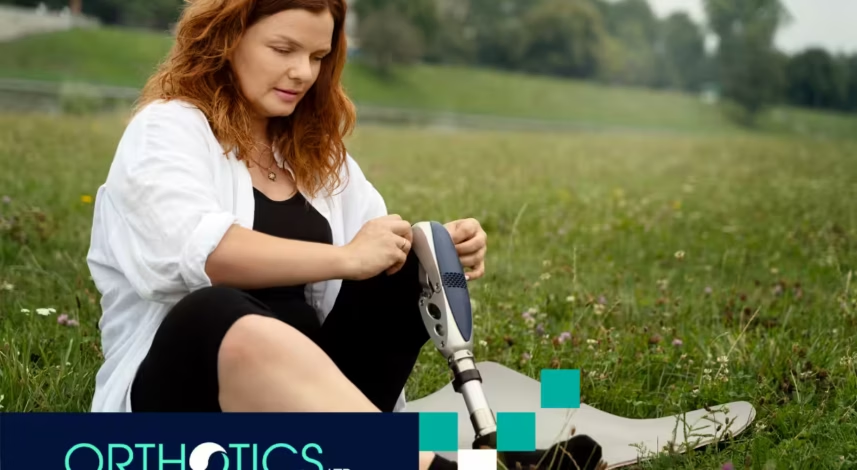
Key Highlights
- Women in prosthetics defy limits, regain mobility, and change perceptions through courage and resilience.
- Prosthetics women like Aimee Mullins, Amy Purdy, Viktoria Modesta, Bethany Hamilton, and Tilly Lockey have made global impact in sports, arts, fashion, and advocacy.
- These women show how prosthetic technology + personal determination can restore functionality, confidence, and identity.
- Their stories illustrate the importance of choice in prosthetic design, societal inclusion, and mental recovery.
- By seeing real examples, those considering or living with prosthetics can find inspiration, guidance, and hope.
Prosthetics do more than restore lost limbs—they restore hope, identity, and potential. When women become ambassadors of this journey—through sport, art, activism, or simply daily living—they challenge stereotypes and pave the way for acceptance and innovation. This post spotlights a number of real, well-known women in prosthetics. These prosthetics women show how, through adversity and adaptation, strength and recovery are more than possible.
We’ll look at their stories, what we can learn about technology, mindset, and societal support, and what it means for anyone considering or living with a prosthetic limb.
Real Stories: Inspiring Women in Prosthetics
Here are some remarkable women whose lives and achievements illustrate the power of prosthetics.
| Name | Prosthetic Situation / Limb Loss | What They Do / Achievement | Key Takeaways |
|---|---|---|---|
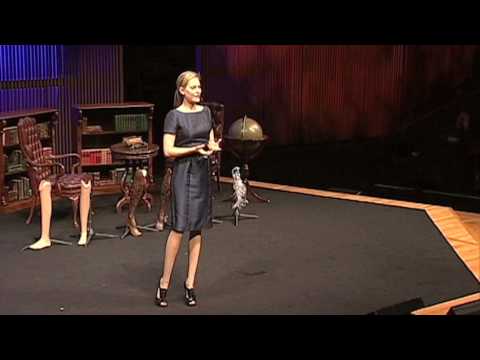
| Aimee Mullins | Born without fibular bones, legs amputated below the knee as an infant. | Athlete, model, actress, runway performer. She has used many types of prosthetic legs—some athletic, some artistic. | Demonstrates how choice and design of prosthetics can support multiple identities: athlete, model, art-maker. Shows innovations in prosthetic limbs allow for both form and function. |
| Amy Purdy | Lost both legs below the knee due to bacterial meningitis at age 19. | Paralympic snowboarder (bronze medalist), dancer (on Dancing with the Stars), speaker and author. | Her journey shows how prosthetics tailored to specific activities (snowboarding, dancing) can let women reclaim active pursuits. Also highlights mental resilience. |
| Viktoria Modesta | Amputated lower left leg below the knee due to birth defect; chooses prosthetics as expressive identity. | Singer, performance artist, model. Uses prosthetic limbs in fashion and performance to challenge norms around disability and beauty. | Shows prosthetic limbs can be part of identity, style, and empowerment—not only utility. Emphasizes design and representation. |
| Bethany Hamilton | Lost her left arm in a shark attack as a teenager; while not always using prosthetics in surfing, she uses them in daily life and other tasks. | Professional surfer, motivational speaker, author. Returned to surfing and competition despite limb loss. | Her story shows that even when prosthetics aren’t used in a primary activity (like surfing), they can support daily life, identity, self-esteem, and advocacy. |
| Tilly Lockey | Amputated forearms (and toes) due to meningococcal septicaemia in infancy. Uses advanced bionic prosthetic arms. | Public figure, model, advocate. Has participated in trials of prosthetic arms by Open Bionics, helps raise awareness about prosthetic access and disability. | Illustrates advancement in upper limb prosthetics, small but powerful actions in representation and advocacy, especially for young people. |
What Their Stories Teach Us: Themes of Strength & Recovery
From these accounts emerge common themes that can inform and inspire others:
1. Personal Choice & Agency
Each woman made choices about what prosthetic limb to use, what style or function, how it fits into their life. Viktoria Modesta, for example, uses prosthetics not just for mobility but for fashion and self-expression. Choice matters greatly for psychological wellbeing and identity.
2. Innovation & Adaptation of Prosthetic Technology
Activity-specific prosthetics (e.g. for dancing, snowboarding), high aesthetic design, lightweight or specialized materials, bionic arms—these innovations expand what prosthetists can design. Amy Purdy’s prosthetic for snowboarding; Tilly Lockey’s bionic arms; Aimee Mullins’ multiple prosthetic legs illustrate shifting possibilities.
3. Resilience, Rehabilitation & Training
Mental and physical rehabilitation play a huge role. Learning to walk with blades (for athletes), adapting to bionic arms, regaining confidence—all require therapy, training, and repetition.
4. Identity, Representation & Advocacy
These women don’t just cope—they lead. They challenge perceptions, advocate for prosthetic access, influence design, inspire others. Their visibility helps reduce stigma and raises expectations for what prosthetics users can achieve.
5. Intersection of Function and Aesthetics
Prosthetics can serve utility, but also style. Having prosthetics that look good or reflect personal style can enhance confidence. Viktoria Modesta’s fashion prosthetics; Aimee Mullins’ varied prosthetic legs; Tilly Lockey’s design-forward bionic arms illustrate that prosthetics is also about appearance and identity, not only mobility.
6. Importance of Support Systems
Family, clinicians, prosthetists, therapists, community, public support. These stories often include mentors, technology developers, prosthetists willing to push boundaries, media platforms. Recovering mobility is not done in isolation.
The Role of Prosthetics in Recovery
To understand how prosthetics supports recovery is to see both the physical and emotional, social dimensions. Below are areas where prosthetic limbs make a difference, as evidenced in the stories above:
- Mobility & Function: Enabling walking, sport, dance, everyday movement.
- Pain and Complication Reduction: Proper prosthetics can prevent secondary injuries, overuse of other limbs.
- Psychological Wellbeing: Identity restoration; reducing stigma; increasing self-esteem.
- Social Integration: Participation in community, sports, fashion, media.
- Empowerment & Advocacy: Many become role models, inspiring policy or awareness changes.
Challenges and Considerations
While these stories are powerful, there are real challenges common to many prosthetics women:
- Cost and access: High-performance or aesthetic prosthetics can be prohibitive.
- Fit, comfort, maintenance: Socket discomfort, skin irritation, alignment issues.
- Function vs Aesthetics: Trade-offs: a prosthetic that looks beautiful may be less functional in certain conditions, and vice versa.
- Adjustments over time: As body changes, prosthetics need tuning, replacement.
- Psychological adaptation: Loss, identity shift, social perception, mental health aspects.
- Stigma and representation: Societal barriers, lack of visibility in some places, media stereotypes.
Comparison of Some Prosthetics Women & Their Impacts
| Woman | Limb Loss / Status | Field of Impact | Notable Achievements | Message / Legacy |
|---|---|---|---|---|
| Aimee Mullins | Bilateral below-knee from birth | Paralympics, Modeling, Acting | Record-setting sprinter, runway model, speaker | One’s “limbs” can be many; diversity in prosthetics designs matters |
| Amy Purdy | Double below-knee amputee | Snowboarding, Dance, Advocacy | Paralympic medal, Dancing with the Stars, author | Adaptive resilience: pursuing sport & art after loss |
| Viktoria Modesta | Elective / birth-defect below-knee | Music, Fashion, Performance Art | Pop star, performance artist, fashion prosthetics | Expressing identity via prosthetics, making visibility fashionable |
| Bethany Hamilton | Single arm loss (upper limb) | Surfing, Motivational Speaking, Advocacy | Returned to professional surfing, author | Adaptation: living fully despite inability to use prosthetic always in sport |
| Tilly Lockey | Amputated arms & toes; uses prosthetic arms | Age advocacy, Technology, Representation | Trials of bionic arms, public voice for prosthetic youth | Emerging technologies + voice = changing future possibilities |
How These Stories Can Empower Others
If you or someone you know is exploring prosthetic options, these stories can help in the following ways:
- Inspiration & Hope: Knowing what others have done can reduce fear and isolation.
- Role Models & Representation: Seeing women in public life using prosthetics changes norms.
- Awareness of Choices: Technology, design, aesthetics, activity-specific prosthetics are options—not one-size-fits-all.
- Advocacy & Support: These women often show how to ask for what you need from prosthetists, insurers, society.
- Setting Goals: Some aim for sports, some for everyday mobility, some for artistic expression. You can set what matters to you.
Practical Lessons: What to Look For & Ask As You Plan Prosthetics
Drawing from the lives above, here are practical ideas for women considering prosthetics:
- Design that matches your lifestyle: Do you want one for athletics, fashion, daily walking, high heels, dance? Different prosthetics serve different purposes.
- Comfort & fitting: Socket fit is crucial, and needs periodic adjustment. If it hurts, it’s not working well.
- Aesthetic preferences: If the look of your prosthetic matters to you, explore design options. Some “look like a limb,” some embrace visible tech, some are artistic expressions.
- Functionality vs trade-offs: Lighter prosthetics may be less durable; highly artistic ones may cost more; sport prosthetics may not look like everyday limbs. Decide your priorities.
- Support & rehab: Physical therapy, gait training, strength work, psychological support matter deeply. Many of the women above participated in training and therapy to maximize what prosthetics offer.
- Community & representation: Connecting with groups, seeing others’ journeys, mentors, social media voices helps.
Bottomline
- Women in prosthetics show that limb loss or difference does not mean loss of potential—through mobility, artistry, athleticism, and advocacy.
- The stories of prosthetics women like Aimee Mullins, Amy Purdy, Viktoria Modesta, Bethany Hamilton, and Tilly Lockey illustrate different paths—sport, identity, performance, representation.
- Their journeys highlight the importance of technology, design choice, rehabilitation, mental resilience, and societal support.
- For anyone seeking or using prosthetics, these stories reaffirm that you can shape your journey—not just adapt to limitation but create identity, pursue passion, and inspire others.
If you would like personalised guidance or to explore prosthetic options tailored to your goals—whether athletics, appearance, everyday function, or performance—specialist prosthetic and orthotic services are available. Orthotics Ltd. offers high quality prosthetics, and compassionate support. Contact us today!
Frequently Asked Questions
1. Is there a typical timeline for recovery and adjustment after getting a prosthetic limb?
Adjustment varies depending on level of amputation, health, prosthetic type, rehabilitation, and individual resilience. Some people begin walking within weeks; others may take months to regain confidence, master specific activities, or refine prosthetic use.
2. Does having a prosthetic mean I must stick to one style?
Not at all. Many prosthetics women change prostheses depending on activity (sports, fashion, everyday walking). Some use multiple prosthetics tailored to specific tasks or occasions.
3. How important is psychological support in the journey of prosthetics women?
Extremely important. Beyond physical recovery, issues like identity, self-esteem, social acceptance, and dealing with loss or change are common. Professional support, peer groups, role models are invaluable.
4. Are there prosthetic options that allow women to use high heels or specialized footwear?
Yes—though these are more niche and may require custom design. Viktoria Modesta and others have prosthetics designed for fashion or performance, including prosthetics that work with particular footwear.
5. How can someone find a prosthetist or prosthetic service that understands both function and aesthetics?
Look for clinics or services with experience in custom and aesthetic prosthetics, a history of working with active or public-facing clients, access to designers or prosthetic artists, and a focus on listening to user goals. Referrals, testimonials, checking portfolios, or seeing past prosthetics work help.
Sources:
- https://www.womenofthehall.org/inductee/aime-mullins/
- https://www.ksl.com/article/51304434/have-you-seen-this-bionic-woman-shows-off-the-latest-technology-in-prosthetics
- https://www.latimes.com/entertainment/la-et-cm-viktoria-modesta-20181024-htmlstory.html
- https://www.ncbi.nlm.nih.gov/books/NBK570628/
