

Custom Prosthetic Covers vs Standard Covers: Key Differences
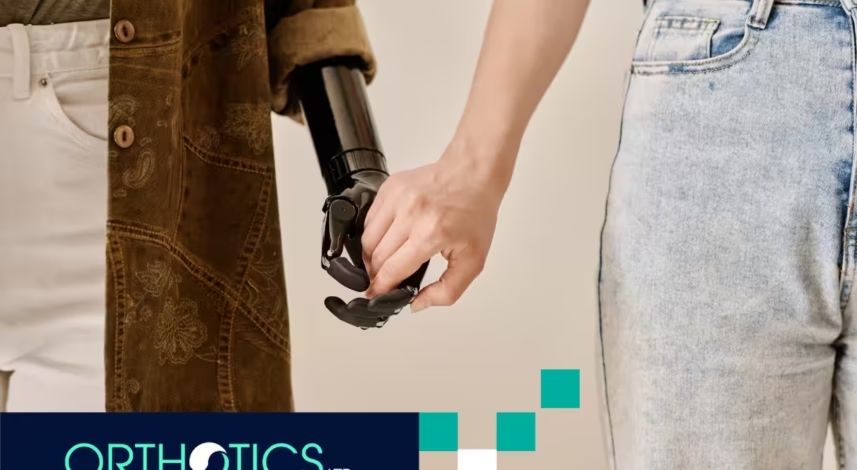
Learn the key differences between custom prosthetic covers vs standard covers, including durability, aesthetics, comfort, and personalization options.
Key Highlights:
- Custom prosthetic covers offer enhanced personalization and aesthetics.
- Standard covers are typically more affordable but may lack comfort and fit.
- Material choices influence durability, weight, and maintenance.
- Customization can improve user confidence and functional performance.
- Real-world examples highlight the benefits of tailored prosthetic solutions.
Understanding Prosthetic Covers
Prosthetic covers are external shells that encase the mechanical components of a prosthetic limb. Their primary functions include:- Protection: Shields the internal prosthetic mechanism from dirt, moisture, and physical damage.
- Aesthetics: Provides a natural appearance that matches skin tone or personal style.
- Comfort: Ensures the limb feels natural and aligns with the user’s body shape.
Standard Prosthetic Covers
Standard covers are pre-fabricated shells designed to fit a range of prosthetic devices. They are widely used due to their affordability and availability. Advantages of Standard Covers:- Cost-Effective: Typically lower-priced compared to custom options.
- Quick Availability: Can be shipped and fitted quickly.
- Durable for Everyday Use: Often made from robust materials like thermoplastic or polyurethane.
- Limited Fit: May not perfectly align with the user’s anatomy, leading to discomfort.
- Generic Aesthetics: Skin tone and texture options are often limited.
- Reduced Personalization: Cannot incorporate unique designs or patterns.
Custom Prosthetic Covers
Custom covers are tailored to the individual’s specific prosthetic limb, body measurements, and aesthetic preferences. They involve an advanced manufacturing process, including 3D scanning, molding, and hand-finishing. Advantages of Custom Covers:- Precise Fit: Designed to match the user’s residual limb and prosthetic shape, reducing discomfort.
- Enhanced Aesthetics: Can mimic skin tone, incorporate hair patterns, or feature artistic designs.
- Material Selection: Users can choose lightweight, flexible, or high-durability materials based on lifestyle needs.
- Functional Benefits: Custom contours can improve limb mobility and reduce friction during movement.
Comparing Key Features
| Feature | Standard Covers | Custom Covers |
|---|---|---|
| Fit | Generic, may cause pressure points | Tailored to individual anatomy |
| Aesthetics | Limited colors and finishes | Fully customizable, realistic options |
| Comfort | Moderate | High |
| Durability | High for general use | Depends on the material choice, can be optimized |
| Cost | Lower | Higher |
| Lead Time | Immediate to a few days | Several weeks to months |
| Functional Adaptation | Limited | Can be adapted for specific activities |
Materials Used in Prosthetic Covers
Material choice plays a vital role in the performance of both standard and custom covers. Common materials include:- Thermoplastics: Durable and lightweight; common in standard covers.
- Silicone: Offers realistic skin texture; ideal for custom covers.
- Polyurethane: Flexible and resistant to wear.
- Carbon Fiber: Lightweight and strong, often for custom sports prosthetics.
Cost Considerations
While custom covers come at a higher price point, the long-term benefits often justify the investment:- Reduced discomfort and skin issues
- Enhanced confidence and social comfort
- Improved functionality and activity participation
When to Choose Custom vs Standard
Consider Custom Covers If:- You have unique residual limb shapes or sensitive skin.
- Aesthetic realism is important to you.
- You engage in specific activities requiring enhanced comfort or durability.
Consider Standard Covers If:
- Budget constraints are a primary concern.
- Quick replacement or availability is essential.
- A generic fit is acceptable for your lifestyle.
Maintenance and Longevity
Proper care extends the lifespan of prosthetic covers:- Standard Covers: Clean with mild soap and water; avoid prolonged sun exposure.
- Custom Covers: Silicone and polyurethane covers may require specialized cleaning; follow manufacturer guidelines.
- A school-aged child felt more confident interacting with peers due to realistic skin-tone matching.
- A professional athlete reported fewer skin abrasions during training sessions with a custom silicone cover.
- Adults using prosthetics for daily commuting found improved comfort and reduced clothing snags with custom-fitted designs.
Final Thoughts
Choosing between standard and custom prosthetic covers depends on your specific needs, budget, and lifestyle. While standard covers are affordable and durable, custom covers offer superior fit, comfort, aesthetics, and functionality. Real-world experiences and expert insights consistently highlight the benefits of customized solutions, especially for active users or those seeking enhanced confidence in social and professional settings. For individuals looking for tailored prosthetic solutions, Orthotics Ltd. provides expert guidance in selecting the right cover to match your needs, lifestyle, and preferences. Our team can help design a custom prosthetic cover that enhances both comfort and confidence. Contact us today!Frequently Asked Questions
1. Are custom prosthetic covers worth the extra cost?
Yes. While they are more expensive, custom covers provide better fit, comfort, aesthetics, and functional benefits.2. How long does it take to get a custom prosthetic cover?
Typically, the process takes several weeks, including measurements, design, and manufacturing.3. Can I change the appearance of a standard prosthetic cover?
Limited customization is possible, but options are generally restricted to color and minor patterns.4. How should I care for my prosthetic cover?
Clean regularly with mild soap and water, avoid harsh chemicals, and follow any specific manufacturer instructions.5. Do custom covers improve mobility?
Yes. Properly fitted custom covers can reduce friction, improve alignment, and enhance comfort, which contributes to better mobility.Sources:
- https://pmc.ncbi.nlm.nih.gov/articles/PMC11014038/
- http://medicalartprosthetics.com/wp-content/uploads/2018/05/Final_report-Team_composite_prosthetic.pdf
- https://www.sciencedirect.com/science/article/pii/S2949822825002187
