

Debunking Common Myths About Prosthetic Limbs
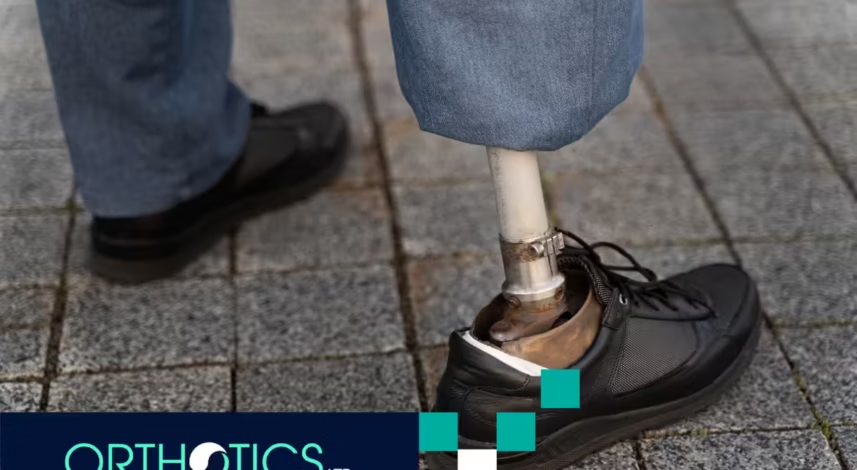
Key Highlights
- Many myths about prosthetic limbs stem from outdated ideas — technology has advanced significantly.
- A prosthetic limb is not a full replacement for a natural limb, but a helpful tool that requires rehabilitation, adjustments, and care.
- Modern prosthetics can be durable, versatile, and suitable for sports and active lifestyles.
- Insurance, funding, and customization make prosthetic limbs accessible to more people than many believe.
- Understanding the real limitations and possibilities helps set realistic expectations and promotes better outcomes.
When someone hears “prosthetic limb,” a variety of images and assumptions may come to mind — bulky metal legs, limited mobility, or high cost. Over the years, many myths about prosthetic limbs have circulated, possibly discouraging people from exploring prosthetic solutions or misinforming caregivers, policymakers, and the public.
In this article, we will debunk several of the most common myths surrounding prosthetic limbs and shed light on the real capabilities, limitations, and care of a prosthetic limb. By the end, readers should have a clearer, more grounded understanding and feel more confident in exploring prosthetic options.
Why Myths About Prosthetics Persist
Before diving into specific misconceptions, it’s helpful to understand why myths stay alive:
- Rapid advancement: Technology in prosthetics has evolved so quickly that many public perceptions lag behind current capabilities.
- Selective visibility: People tend to see outdated or extreme cases, which overshadow the many success stories.
- Emotional factors & fear: Limb loss or prosthetic use is emotionally charged; myths can arise from anxiety, stigma, or misunderstanding.
- Lack of accessible information: Detailed, accurate information is not always easily available to potential prosthetic users or their support networks.
With that in mind, let’s examine and correct some of the most prevalent myths.
Common Myths About Prosthetic Limbs
Myth 1: A Prosthetic Limb Fully Replaces a Natural Limb
Claim: A prosthetic limb can replicate the full function, sensation, and versatility of a biological limb.
Reality: A prosthetic limb is a highly engineered assistive device, but it doesn’t yet replicate all sensory feedback, neural connections, or full biological nuance. Many users and professionals acknowledge that prosthetics are tools to restore mobility and function, not perfect substitutes.
For example:
- Users typically lack full tactile feedback (e.g., temperature, pain, fine touch).
- Some movement patterns or reflexes can’t be reproduced perfectly.
- Adjustment and user training are essential for optimal function.
That said, modern innovations — such as myoelectric control, osseointegration, and advanced sensors — are incrementally narrowing the gap.
Myth 2: Prosthetic Limbs Are Always Uncomfortable or Painful
Claim: Wearing a prosthetic limb is inherently uncomfortable, with persistent pain or skin damage.
Reality: Early use often involves discomfort, as the body adapts to pressure, alignment, and new weight distribution. Yet modern prosthetic limbs are custom-fitted, and continual adjustments help improve comfort.
Some details:
- Prosthetic sockets, liners, and padding are precisely tailored to avoid pressure points.
- Users often go through a “break-in” or adaptation period, with gradual wear time increases.
- Over time, the prosthetist may adjust or refit components to maintain comfort.
- If pain or sore spots persist, it often indicates issues with fit or alignment, not an unavoidable reality.
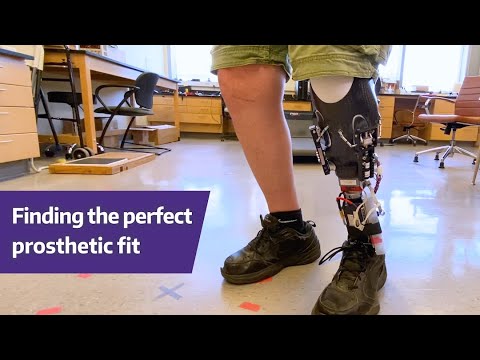
Myth 3: Prosthetic Limbs are Fragile or Easily Damaged
Claim: Prosthetics are delicate and prone to breaking under normal daily use.
Reality: Far from fragile, many modern prosthetic components are built to be rugged and durable.
Material advances:
- Carbon fiber, titanium alloys, reinforced polymers, and advanced composites are common.
- Engineers test components under substantial load and stress cycles to ensure longevity.
Myth 4: Prosthetics are Only for the Elderly or People with Major Disabilities
Claim: Prosthetic limbs are primarily designed for older adults or those with severe conditions.
Reality: People of all ages and activity levels use prosthetic limbs — from children born with limb differences to young athletes recovering from trauma.
Some examples:
- Pediatric prosthetics are designed to grow or be adapted over time.
- Athletes use specialized limbs for running, swimming, and high-impact sports.
- Prosthetics aren’t limited to those with total limb loss; they can also assist partial-limb users or those with congenital differences.
Myth 5: You’ll Be Stuck with the Same Prosthetic Limb Forever
Claim: Once you’re fitted for a prosthesis, that is the device you’ll use for life.
Reality: Prosthetic limbs are not lifetime fixtures; they often require replacement or updates. Many sources estimate an average lifespan of 3–5 years, though this varies widely.
Reasons for replacement or adjustment:
- Natural changes in body size, weight, muscle shape, or residual limb volume.
- Technological advancements make newer prosthetics more efficient or comfortable.
- Wear and fatigue in materials or mechanical parts.
Thus, proactive care and periodic checkups are an essential part of prosthetic use.
Myth 6: Prosthetic Limbs Prevent Active or Sports Participation
Claim: If you use a prosthetic limb, you won’t be able to engage in sports or strenuous physical activity.
Reality: Many prosthetic limbs are specifically designed for athletic purposes. Users compete at amateur and elite levels — including the Paralympics.
Types of sport-capable prosthetics:
- “Running blades” and energy-storing prosthetic legs
- Waterproof or splash-resistant designs for swimming
- Adaptive prosthetics for cycling, climbing, or skiing
With training, conditioning, and careful selection, a prosthetic limb can support a wide range of physical goals.
Myth 7: Once You Have a Prosthetic Limb, You Don’t Need Further Medical or Therapeutic Care
Claim: After getting a prosthesis, that part of your healthcare journey is over.
Reality: The process is ongoing. A prosthetic limb is only one part of a larger rehabilitation ecosystem.
Key ongoing needs include:
- Physical therapy and rehabilitation to help with strength, gait training, balance, and adaptation.
- Prosthetist follow-ups for adjustments, alignment tweaks, and component maintenance.
- Monitoring residual limb changes, skin health, and general posture or musculoskeletal impacts.
- Upgrades or component swaps as technology and needs evolve.
Neglecting follow-up care can lead to discomfort, improper use, and suboptimal outcomes.
Myth 8: All Prosthetic Limbs Are Extremely Expensive and Out of Reach
Claim: Only the most affluent can afford a proper prosthetic limb or upkeep.
Reality: While advanced prosthetics (e.g., bionic limbs) can command high prices, the cost spectrum is wide, and many prosthetic limbs are covered or subsidized.
Important notes:
- Many health insurance plans (private, Medicare, government) cover prosthetic devices when deemed medically necessary.
- Non-profits, grants, and charitable programs often provide financial help to users.
- Lower-tech models or partial solutions can serve as stepping stones for users with limited budgets.
By working with prosthetists and funding advisors, many users can access solutions suited to their circumstances.
Pediatric Prosthetics
Fitting a child with a prosthetic limb is fundamentally different from fitting an adult. Children are constantly growing, learning new motor skills, and adapting to changing bodies — which means their prosthetic care has to keep pace. Pediatric prosthetics are designed with this dynamic reality in mind, balancing function, comfort, durability, and the child’s emotional and developmental needs.
Growth and Frequent Adjustments
Unlike adult prosthetic users, who may keep the same device for several years, children typically outgrow their prosthetic limbs every 12 to 18 months, sometimes sooner during growth spurts. This means:
- Sockets often need to be replaced or modified as the residual limb grows in length and circumference.
- Components such as feet, knees, or hands are upgraded as the child gains strength and mobility.
- Many pediatric prosthetics are modular, allowing parts to be swapped out without rebuilding the entire device.
Regular check-ins with the prosthetist, sometimes every few months, are essential to catch fit issues early and prevent skin breakdown or gait problems.
Developmental Considerations
A child’s prosthetic is not just about replacing a limb; it’s about supporting healthy development. Prosthetists, occupational therapists, and physical therapists work together to make sure the device fits the child’s developmental stage. For example:
- An infant or toddler may start with a simple, passive prosthesis to encourage crawling, balance, and bilateral hand use.
- A school-age child may benefit from more functional components that support running, writing, sports, or carrying a backpack.
- Teenagers often want devices that match their lifestyle, identity, and social needs — including cosmetic finishes, custom colors, or sport-specific attachments.
Emotional and Social Support
Pediatric prosthetic care often extends beyond the device itself. Children may face curiosity, questions, or even teasing from peers, and families navigate their own emotional adjustment. Many pediatric prosthetic programs incorporate:
- Peer support groups and connections with other children using prosthetics.
- Counseling for the child and family as needed.
- Education for teachers, coaches, and classmates to foster inclusion.
The goal is not just a working limb, but a confident, engaged child who can participate fully in school, play, and family life.
Complex Prosthetic Fittings
Not every prosthetic case is straightforward. Some users have anatomical, medical, or lifestyle factors that make fitting more challenging — and these situations require a higher level of clinical expertise, customization, and patience.
What Makes a Fitting “Complex”
A prosthetic fitting may be considered complex when one or more of the following are involved:
- Short or atypical residual limbs, which provide less surface area for socket suspension and load distribution.
- Multiple limb loss (bilateral or quadrilateral amputation), which changes balance, energy expenditure, and how the user interacts with the environment.
- Bone spurs, neuromas, or scar tissue that create sensitive pressure points within the socket.
- Skin conditions or fragile skin, such as from burns, grafts, or vascular disease, require special liners and materials.
- Comorbidities like diabetes, peripheral neuropathy, or circulatory issues affect healing and tissue tolerance.
- High-demand activities, such as elite-level sports, manual labor, or military service, that push devices and sockets beyond standard expectations.
A Team-Based Approach
Complex fittings are rarely handled by a single clinician. They typically involve a coordinated team, which may include:
- A certified prosthetist for socket design, alignment, and component selection.
- A physician or surgeon for medical oversight, especially when osseointegration, revision surgery, or pain management is involved.
- Physical and occupational therapists will guide rehabilitation and functional training.
- A pain specialist or psychologist when chronic pain, phantom limb sensations, or emotional adjustment are factors.
This team works together to make sure the prosthetic addresses not just the missing limb, but the whole person.
Customization and Advanced Techniques
For complex cases, off-the-shelf solutions usually aren’t enough. Prosthetists may rely on:
- 3D scanning and CAD/CAM design to capture precise residual limb shapes and create custom sockets.
- Specialized liners and interface materials, silicone, gel, or hybrid liners, to manage pressure-sensitive areas.
- Microprocessor-controlled knees, ankles, or hands that adapt in real time to terrain or task.
- Osseointegration, in some cases, where a metal implant anchors directly to the bone, eliminating the traditional socket (though this is a surgical option not suitable for everyone).
- Diagnostic or “test” sockets that allow the user to trial fit and alignment before the definitive socket is fabricated.
Patience and Iteration
Perhaps the most important thing to understand about complex fittings is that they take time. It is normal to go through multiple socket revisions, alignment adjustments, and component trials before arriving at a setup that truly works. Honest communication between the user and the clinical team — about discomfort, function, and goals — is what makes these fittings successful in the long run.
Summary: Myth vs. Reality
| Myth | Reality |
|---|---|
| A prosthetic limb fully replaces a natural limb | It restores function but doesn’t replicate full sensation or biology |
| Prosthetic limbs always cause discomfort | Custom fitting and adjustments usually mitigate discomfort |
| Prosthetics are fragile | Many are built with durable materials and stress-tested |
| Only older or severely disabled people use prosthetics | Users include children, athletes, and those with partial limb differences |
| You’re stuck with one prosthetic forever | Prosthetics often last 3-5 years or need updates |
| Prosthetics prevent active lifestyles | Many devices are optimized for sports and high activity |
| No further medical care is needed | Ongoing therapy, maintenance, and adjustments are essential |
| Prosthetics are unaffordable | Many options are covered or subsidized; cost varies widely |
Tips for Prospective Users and Supporters
- Ask detailed questions — about materials, upgrades, and compatibility for specific activities.
- Prioritize regular follow-ups — don’t treat prosthetic fitting as a one-time event.
- Commit to therapy and training — the best device is useless without proper use.
- Explore funding and coverage options — insurance, grants, and charitable programs may help.
- Set realistic expectations — see the prosthetic limb as a powerful tool, not a complete replacement.
Final Thoughts
If you or a loved one is exploring prosthetic limb options, scheduling a consultation with a certified prosthetist is an excellent first step. They can assess your specific needs, explain the latest technologies, and help guide you toward a solution that fits your lifestyle and goals. For assistance with prosthetic solutions and ongoing support, feel free to reach out to Orthotics Ltd., where we prioritize individualized care and functional mobility.Frequently Asked Questions
1. Can a prosthetic limb restore full feeling or sensation?
No, current prosthetic limbs generally cannot replicate full sensory feedback (like temperature or fine touch). Research into neural integration and sensory feedback is ongoing, but for now, users rely largely on visual input and proprioception training.
2. How often should a prosthetic limb be replaced or adjusted?
Many prosthetic limbs have a useful life span of approximately 3 to 5 years, but parts or components may need maintenance or replacement sooner. Regular check-ups help determine when adjustments or replacements are necessary.
3. Can children use prosthetic limbs effectively?
Yes, children can and do use prosthetic limbs. Pediatric prosthetics are often designed to be adjustable or modular to accommodate growth, and regular monitoring is critical as the child’s body changes over time.
4. Will insurance typically cover a prosthetic limb?
Many insurance plans cover prosthetic limbs when they are medically necessary. Coverage varies by plan and device type. It’s important to consult your provider, review your policy, and work with a prosthetist who understands funding and billing.
5. Can prosthetic limbs be used for sports or high-impact activities?
Yes, many prosthetic limbs are specifically engineered for athletic use, such as running blades, swimming limbs, and all-terrain designs. With proper training and adaptation, users regularly participate in competitive sports, recreation, and physically demanding activities.
Sources:
- https://pmc.ncbi.nlm.nih.gov/articles/PMC7340716/
- https://news.mit.edu/2024/prosthesis-helps-people-with-amputation-walk-naturally-0701
- https://www.hopkinsmedicine.org/health/wellness-and-prevention/what-to-know-before-getting-prosthetic-leg
- https://www.sciencedirect.com/science/article/abs/pii/S1934148214003013
- https://www.medicare.gov/coverage/prosthetic-devices
