

How to Stay Active With a Prosthetic Limb

Key Highlights
- Staying active with a prosthetic limb improves physical health, mobility, and long-term prosthetic comfort.
- A combination of strength, balance, cardio, and flexibility exercises helps support prosthetic use.
- Starting slowly and gradually increasing activity reduces injury risk and builds confidence.
- Regular maintenance, socket care, hydration, and skin checks are critical for safety.
- Adaptive sports and realistic goal-setting bring psychological, social, and lifestyle benefits.
Using a prosthetic limb doesn’t mean giving up on physical activity — far from it. With the right routines and mindset, many people with prosthetics lead active, fulfilling lives, walking, exercising, playing sports, and enjoying hobbies. Staying active can boost not only physical fitness, but also confidence, independence, and mental well-being.
In this guide, we’ll walk you through how to stay active with a prosthetic limb: from appropriate exercises and routines to everyday mobility tips, maintenance, and realistic expectations.
Why Staying Active Matters
For individuals with a prosthetic limb, regular activity delivers many important benefits:
- Improves cardiovascular health and stamina: Low- to moderate-impact activities (walking, swimming, cycling) help sustain endurance and overall fitness.
- Strengthens supporting muscles: Building strength in the core, hips, and residual limb stabilizes the prosthetic and improves control.
- Enhances balance, coordination, and proprioception: Essential for stable walking, navigating different surfaces, and preventing falls.
- Preserves joint mobility and flexibility: Stretching and flexibility work help prevent stiffness and reduce stress on joints and soft tissues.
- Boosts mental health, confidence, and independence: Physical activity encourages a sense of normalcy, reduces isolation, and builds self-esteem.
- Supports skin and residual limb health: Activity promotes good circulation, reduces swelling, and supports healthy tissue around the prosthetic socket.
What Types of Activity Work Best
Here’s a breakdown of effective activities for prosthetic users:
| Activity Type | Benefits | Examples / Recommendations |
|---|---|---|
| Strength Training | Builds muscle to support prosthetic limb, improves stability | Squats, lunges, resistance bands, core exercises, hip/glute work |
| Cardio / Endurance | Boosts stamina and cardiovascular health; helps manage weight | Walking, swimming, cycling, light jogging (if appropriate), rowing |
| Balance & Proprioception | Enhances control, reduces fall risk, improves gait symmetry | Balance-board work, single-leg stance, clock reach drills, heel-toe walking |
| Flexibility & Mobility | Maintains joint motion, reduces stiffness and strain | Stretching (hamstrings, hips, calves), yoga, dynamic stretches |
| Adaptive / Recreational Sports & Activities | Provides variety, fun, social connection, and full-body movement | Swimming, cycling, hiking, rowing, golf, adaptive team sports |
| Functional Everyday Movement | Builds practical mobility and independence for daily tasks | Walking, stair navigation, balance exercises, daily limb care routines |
How to Start: A Safe, Progressive Approach
If you’re new to prosthetic use or new to regular activity, following a gradual, safe progression is key:
- Consult your prosthetist or physician: Before starting an exercise routine, get clearance and guidance on what’s appropriate for your limb level, overall health, and prosthetic type.
- Check fit and comfort: Ensure the prosthetic socket, liner, and suspension are correct and comfortable. Poor fit may cause skin irritation or instability during activity.
- Start with low-impact, low-intensity workouts: Walking, swimming, or cycling are excellent starting points. Begin with short durations and a slow pace.
- Include strength, balance, and flexibility in your routine: A well-rounded program improves stability, gait, and reduces injury risk.
- Increase gradually: As your body adapts, slowly increase duration, load, or intensity. Sudden jumps can lead to fatigue, sores, or overuse of the sound limb.
- Prioritize skin and limb care: Clean and inspect the residual limb, liner, and socket regularly. Keep skin dry, moisturized, and monitor for irritation or pressure points.
- Listen to your body and rest when needed: Prosthetic users may experience socket discomfort, stump sensitivity, or fatigue; rest periods are part of a sustainable routine.
Examples of Safe, Effective Exercises
Here are some practical exercises and activities to include, depending on your mobility level and comfort:
- Heel-Toe Walk: Walk slowly in a straight line, placing the heel of your prosthetic foot directly ahead of the toes of your sound foot, then alternate — helps improve balance and gait symmetry.
- Clock-Reach Balance Drill: Stand with your prosthetic foot grounded and your sound foot slightly raised, reach the sound foot out in a controlled “clock” motion (forward, side, back) to build balance and core stability.
- Bodyweight Squats / Step-Ups: Use bodyweight or light resistance bands to strengthen hips, glutes, and core, good for prosthetic stability during walking or standing.
- Swimming: A low-impact full-body workout that reduces stress on joints and provides cardiovascular and muscle strength benefits.
- Cycling (stationary or outdoor): Builds endurance and leg strength while minimizing impact; especially useful for lower-limb prosthetic users.
- Yoga or Gentle Stretching: Helps maintain flexibility in hips, hamstrings, and residual limb — reduces stiffness and improves comfort with prosthetic use.
Adaptive Sports & Activities: Finding What Fits You
Staying active doesn’t mean only the gym. Many prosthetic users thrive by engaging in adaptive sports and recreational activities. Some options:
- Hiking or walking on level trails (with supportive prosthetic feet and possibly trekking poles) — ideal for enjoying nature while building endurance.
- Swimming and aquatic exercises — safe, low-impact, full-body workouts especially useful for people new to prosthetics.
- Cycling (road or stationary) — helps with stamina and leg strength with minimal joint or prosthetic stress.
- Adaptive sports and recreational activities such as golf, rowing, or club-based social sports — these provide both physical and social benefits.
- Functional daily movement — walking around, climbing stairs, doing household tasks, or light gardening can keep you active and reinforce prosthetic familiarity.
Choosing activities you enjoy — that match your fitness level, comfort, and personal goals — increases the chances you’ll stick with them long-term.
Maintenance, Care & Practical Considerations
Staying active is about more than exercise — it requires proper care, consistent maintenance, and a bit of planning.
Socket Fit & Skin Care
- Clean and inspect your residual limb and prosthetic liner routinely. Skin irritation, sores, or persistent redness could indicate a poor fit, too much friction, or a need for adjustment.
- Ensure proper sock-liner thickness or adjustment (sock-ply configuration), especially if limb volume fluctuates (e.g,. after weight change or swelling) to maintain socket fit.
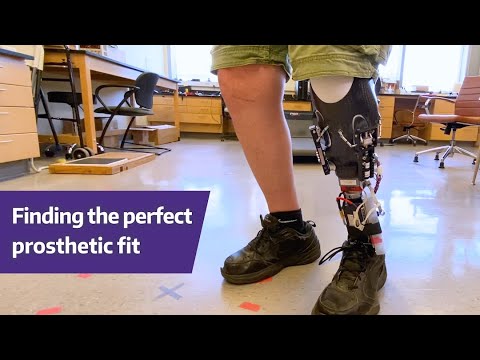
Prosthetic Maintenance
- Regular maintenance and check-ups ensure the mechanical or technical parts remain in good working condition: loose components, worn-out feet, or degraded liners can affect comfort, gait, and safety.
- Moisture management is important — sweat, humidity, or water (e.g., from swimming) can affect liners or components. Drying and cleaning thoroughly helps prolong lifespan and prevent odor or skin problems.
Listen to Your Body
- Fatigue, soreness, or discomfort are signs to rest or lower intensity. Prosthetic users may need more recovery time than before limb loss.
- Gradual progression ensures better long-term adaptation — sudden high-intensity workouts increase the risk of skin issues, overuse injuries, and prosthetic discomfort.
Psychological & Social Benefits of Staying Active
Physical activity isn’t just about fitness — it plays a powerful role in mental well-being and social integration:
- Boosts confidence and independence: mastering movement with a prosthetic limb restores a sense of autonomy and normalcy.
- Improves body image and self-esteem: focusing on what you can do (mobility, exercise, sports) helps shift attention from limb loss to ability.
- Connects you to supportive communities: adaptive sports, peer groups, physiotherapy classes, or amputee networks provide encouragement, empathy, and shared experience.
- Enhances mental health: exercise releases endorphins, reduces stress, anxiety, or depression, and supports overall emotional balance.
Common Challenges — and How to Overcome Them
Using a prosthetic limb while staying active can bring challenges. Here are some common ones — and practical ways to address them.
| Challenge | Possible Solutions |
|---|---|
| Skin irritation or pressure sores | Clean and dry limb/liner after activity, adjust sock-ply, re-evaluate socket fit, consult prosthetist if sores persist. |
| Fatigue or overuse of the sound limb | Balance workouts, include rest days, focus on symmetry, and strength training for both sides. |
| Balance or stability issues | Incorporate proprioception and balance training (balance board, single-leg stance, heel-toe walk) before higher-impact routines. |
| Poor prosthetic fit or maintenance issues | Schedule regular check-ups, maintain cleanliness, adjust liners or foot components as needed, and monitor wear and tear. |
| Loss of motivation or social isolation | Join support or sports groups, try adaptive sports, set realistic goals, and track progress visually or with a partner. |
Getting Started: Sample Weekly Activity Plan
Here’s a simple sample weekly plan for someone with a lower-limb prosthetic who’s ready to stay active. Adjust based on comfort, healing stage, and prosthetic fit.
| Day | Activity | Focus |
|---|---|---|
| Monday | 20–30 min walk + light stretching | Cardio + flexibility |
| Tuesday | Bodyweight squat / step-ups + core work (15–20 min) | Strength |
| Wednesday | Rest or gentle stretching + balance drills (heel-toe walk, tandem stance) | Recovery + balance |
| Thursday | Cycling or swimming (20–30 min) | Low-impact cardio |
| Friday | Resistance-band hip/glute work + core | Strength & stability |
| Saturday | Short hike or adaptive sport (golf / leisurely activity) | Endurance + enjoyment |
| Sunday | Rest, prosthetic care, socket & skin inspection | Recovery + maintenance |
As strength, confidence, and prosthetic comfort improve, you can gradually increase time, intensity, or add more varied activities.
Setting Realistic Goals & Tracking Progress
When living with a prosthetic limb, progress doesn’t always follow a straight line — and each person’s journey is different. Here’s how to stay realistic and motivated:
- Start with small, achievable goals: e.g., walking 10 more minutes, or doing balance drills twice a week.
- Celebrate milestones: first unassisted walk, first full cardio session, improved stability, improved confidence.
- Track not just performance, but comfort and limb health: note how skin feels after activity, any soreness or stiffness, and socket fit changes.
- Adjust priorities over time: what worked in the first months may need tweaking later: level of activity, prosthetic adjustments, maintenance cycles.
- Include rest and recovery as part of the plan — prosthetic use and exercise place demands on the body and limb; recovery is essential.
Final Thoughts
Staying active with a prosthetic limb isn’t just possible — it can be profoundly empowering. Through strength and balance training, cardio, flexibility work, adaptive sports, and mindful care of your limb and prosthesis, you can enjoy a life of movement, health, and confidence.
Whether you’re returning to activities you once loved or discovering new ones, what matters is a gradual, well-supported approach: respecting your body, listening to your limb, and setting realistic, meaningful goals. With time, consistency, and the right support, many prosthetic users not only get back to daily routines — but thrive in recreation, sport, and life in general.
If you’re looking for expert guidance, customized fitting, or a prosthetic designed for active daily living, Orthotics Ltd. is here to help you stay active, mobile, and confident. Reach out today!
Frequently Asked Questions
1. Can people with prosthetic limbs run or play sports?
Yes — many prosthetic users run, cycle, swim, hike, and participate in adaptive sports. It often depends on the prosthetic type (e.g., sport-specific feet), strength, conditioning, and proper training. Starting with low-impact cardio and building strength, balance, and control first is vital.
2. How often should I exercise if I use a prosthetic limb?
A balanced routine — combining cardio, strength, balance, and flexibility — 3 to 5 times a week is a good target. Starting gently and gradually increasing frequency and intensity helps reduce risks.
3. What should I do to prevent skin irritation and maintain socket comfort?
Clean and dry your residual limb daily; inspect for redness or sores after activity; adjust sock-ply as needed; ensure proper socket fit; regularly maintain liner and socket components.
4. Is it better to focus more on strength training or cardio?
Both are important. Strength training builds muscle and stability — key for prosthetic control — while cardio supports endurance, heart health, and mobility. A balanced mix of both, along with flexibility and balance work, yields the best results.
5. I’m afraid I’ll injure myself if I start exercising with a prosthetic — how can I do it safely?
Begin with low-impact, low-intensity activities (e.g., walking, swimming, cycling), ensure prosthetic fit is good, warm up and stretch, listen to your body, and progress slowly. Consulting a prosthetist or physiotherapist before starting can help tailor a safe plan to your needs. Ltd+2
Sources:
- https://www.physio-pedia.com/Prosthetic_rehabilitation
- https://healthcare.utah.edu/healthfeed/2022/08/getting-fit-new-life-prosthetic-limb
- https://pmc.ncbi.nlm.nih.gov/articles/PMC9761262/
- https://pmc.ncbi.nlm.nih.gov/articles/PMC10545693/
- https://www.research.va.gov/currents/0620-VA-scientists-testing-new-technology-to-absorb-moisture-increase-comfort-with-prostheses.cfm
