

Orthotics for Seniors with Balance Problems
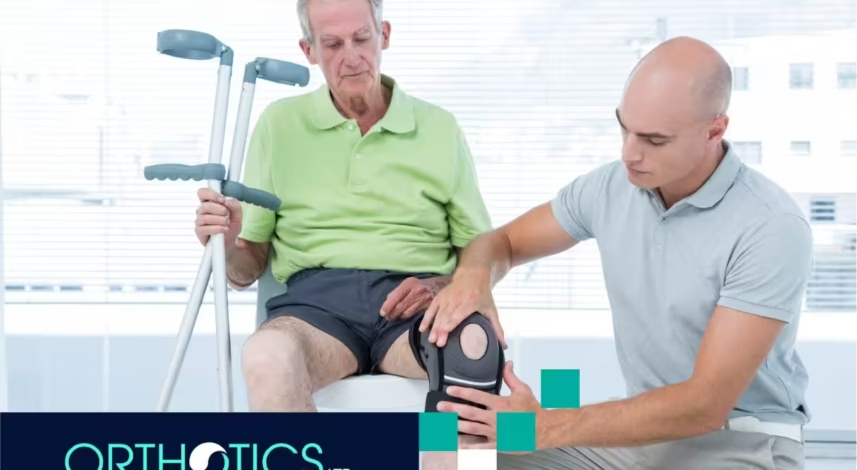
Key Highlights
- Orthotics for seniors with balance problems can improve stability and reduce fall risk.
- Foot and ankle alignment play a critical role in overall balance.
- Custom orthotics redistribute pressure and enhance body awareness.
- Early intervention helps prevent injuries and loss of independence.
- Regular assessments ensure optimal fit as mobility needs change.
Balance problems are one of the most common concerns among older adults. Even minor instability can increase the risk of falls, which may lead to serious injuries, hospitalizations, and reduced independence.
While balance changes are often associated with aging, they are not something seniors must simply accept. Orthotics for seniors with balance problems offer a supportive solution designed to improve stability, comfort, and confidence in daily movement.
This guide explains why balance declines with age, how orthotics can help, and when it’s time to seek professional evaluation.
Why Do Seniors Experience Balance Problems?
Balance relies on three main systems working together:
- Vision: Helps detect body position relative to surroundings
- Inner ear (vestibular system): Controls spatial orientation
- Muscles and joints (proprioception): Provide feedback about movement and position
As we age, these systems may weaken. Common contributors to balance issues include:
- Muscle weakness
- Arthritis
- Neuropathy
- Diabetes
- Stroke
- Parkinson’s disease
- Poor foot alignment
- Medication side effects
Even subtle biomechanical changes in the feet and ankles can disrupt stability.

The Role of the Feet in Balance
The feet are the body’s foundation. When alignment is off, the entire kinetic chain—from ankles to hips to spine—can be affected.
Common foot-related issues in seniors include:
- Flat feet
- Overpronation (rolling inward)
- High arches
- Uneven weight distribution
- Joint stiffness
- Reduced sensation
When foot mechanics are compromised, balance becomes less predictable.
Orthotics provide structural support that stabilizes this foundation.
What Are Orthotics?
Orthotics are custom or prefabricated devices worn inside shoes or externally applied to improve alignment, stability, and movement.
For seniors with balance problems, orthotics may include:
- Custom foot orthotics
- Ankle-foot orthoses (AFOs)
- Stability braces
- Shoe modifications
Each device is designed to address specific needs.
How Orthotics Improve Balance
Orthotics for seniors with balance problems work in several ways:
1. Enhancing Alignment
Proper alignment reduces unnecessary strain on muscles and joints. When the body is aligned correctly:
- Weight is distributed evenly.
- Muscles work more efficiently.
- Postural stability improves.
2. Increasing Proprioception
Orthotics provide subtle feedback through the feet. This improved sensory input helps the brain detect body position more accurately.
Better awareness often leads to improved stability.
3. Reducing Pain
Pain in the feet, knees, or hips can cause compensatory movements that increase fall risk. Orthotics reduce pressure points and joint stress.
When movement is more comfortable, balance improves naturally.
4. Supporting Weak Muscles
For seniors with muscle weakness, orthotics provide additional structural support to prevent collapse or instability.
Types of Orthotics for Balance Support
| Type | Purpose | Best For |
|---|---|---|
| Custom Foot Orthotics | Improve arch and heel alignment | Mild instability, flat feet |
| Ankle-Foot Orthosis (AFO) | Stabilize the ankle joint | Drop foot, stroke and balance |
| Hinged AFO | Allows controlled ankle movement | Moderate instability |
| Solid AFO | Maximum ankle support | Severe weakness |
| Balance Braces | Provide lateral support | Frequent ankle rolling |
The right choice depends on medical history, strength level, and lifestyle.
Signs a Senior May Benefit from Orthotics
Consider evaluation if you notice:
- Frequent tripping
- Shuffling gait
- Uneven shoe wear
- Complaints of foot pain
- Fear of walking on uneven surfaces
- Previous fall incidents
- Difficulty standing for long periods
Early intervention can significantly reduce injury risk.
Orthotics and Fall Prevention
Falls are one of the leading causes of injury among seniors.
Orthotics help prevent falls by:
- Stabilizing the ankle
- Improving posture
- Enhancing foot-ground contact
- Reducing fatigue
- Correcting uneven weight distribution
While orthotics are not a replacement for exercise or physical therapy, they are a powerful complementary tool.
Combining Orthotics with Strength Training
For best results, orthotics should be paired with:
- Balance exercises
- Leg strengthening
- Core strengthening
- Flexibility training
Physical therapy can enhance the benefits of orthotic support.
The Importance of Proper Footwear
Orthotics are only effective when paired with appropriate shoes.
Recommended features include:
- Firm heel counter
- Non-slip soles
- Wide toe box
- Adjustable closures
- Low heel height
Avoid:
- Loose slippers
- Worn-out shoes
- High heels
- Backless footwear
Proper footwear maximizes orthotic effectiveness.
Addressing Common Concerns
“Will Orthotics Feel Uncomfortable?”
There may be a short adjustment period. A gradual break-in schedule helps prevent discomfort.
“Are They Bulky?”
Modern orthotics are often slim and discreet, fitting comfortably inside supportive footwear.
“Do They Replace a Cane or Walker?”
Not necessarily. Orthotics may complement other assistive devices, depending on stability needs.
Neurological Conditions and Orthotic Support
Balance issues are common in neurological disorders such as:
- Parkinson’s disease
- Multiple sclerosis
- Post-stroke conditions
- Peripheral neuropathy
Ankle-foot orthoses can:
- Prevent foot-dragging
- Improve walking efficiency
- Increase confidence
Professional evaluation ensures the correct device is selected.
Monitoring Skin and Comfort
Seniors often have thinner, more fragile skin.
Daily checks should look for:
- Redness lasting more than 30 minutes
- Blisters
- Pressure sores
- Swelling
Prompt adjustments prevent complications.
Psychological Benefits of Stability
Fear of falling can limit activity. This leads to:
- Reduced muscle strength
- Social isolation
- Decreased independence
Orthotics can restore confidence, encouraging seniors to:
- Walk outdoors
- Participate in social activities
- Maintain active routines
Confidence directly impacts overall well-being.
Long-Term Benefits of Orthotic Support
When properly fitted, orthotics for seniors with balance problems can:
- Reduce fall risk
- Improve walking efficiency
- Enhance posture
- Decrease joint strain
- Extend independence
Consistent follow-up ensures ongoing effectiveness.
When to See an Orthotist
Schedule an evaluation if:
- Falls are becoming more frequent
- Mobility feels unsafe
- Pain limits activity
- Walking pattern changes noticeably
- Medical conditions affect balance
Early support often prevents more serious complications.
What to Expect During an Evaluation
An orthotic consultation may include:
- Medical history review
- Gait assessment
- Balance testing
- Foot and ankle examination
- Custom measurements (if needed)
- Follow-up fitting
Personalized care ensures optimal outcomes.
Final Thoughts
Balance problems do not have to define a senior’s quality of life. With proper assessment and support, stability and confidence can improve significantly.
For personalized evaluations and professionally fitted orthotics designed to enhance safety and independence, Orthotics Ltd. provides expert care tailored to each senior’s unique mobility needs. Contact us today!
Frequently Asked Questions
1. Can orthotics eliminate balance problems?
Orthotics significantly improve stability, but results vary. Combining them with exercise and therapy offers the best outcomes.
2. How long does it take to adjust to orthotics?
Most seniors adjust within 1–3 weeks with gradual wear.
3. Are orthotics covered by insurance?
Coverage depends on your insurance plan and medical necessity. Check with your provider.
4. Can orthotics help after a stroke?
Yes. Ankle-foot orthoses are commonly used to improve walking and reduce fall risk after stroke.
5. How often should orthotics be replaced?
Typically, every 1–5 years, depending on wear, health changes, and mobility needs.
Sources:
- https://www.hbrhc.com/blog/how-aging-affects-posture-and-balance
- https://www.kansashealthsystem.com/news-room/blog/0001/01/the-balance-system
- https://www.mayoclinic.org/diseases-conditions/balance-problems/symptoms-causes/syc-20350474
- https://www.hopkinsmedicine.org/health/conditions-and-diseases/foot-pain-and-problems
- https://www.physio-pedia.com/Introduction_to_Ankle_Foot_Orthoses
- https://jamanetwork.com/journals/jama/fullarticle/2819153
