

What to Expect With Orthotic Care From Fitting to Follow-Up
Key Highlights
- Orthotic care is a step-by-step process focused on comfort, function, and long-term results.
- Proper evaluation and fitting are critical to orthotic success.
- Adjustments and follow-up visits are a normal and important part of care.
- Orthotics are customized to support individual mobility and lifestyle needs.
- Ongoing monitoring helps ensure continued comfort and effectiveness.
For individuals experiencing foot, ankle, knee, or lower-limb discomfort, orthotics can play a key role in improving mobility, stability, and quality of life. However, many people are unsure what orthotic care actually involves or what to expect once treatment begins.
Orthotic care is not a single appointment or a one-time solution. It is a comprehensive process that includes evaluation, fitting, education, and follow-up care. Each step is designed to ensure that the orthotic device provides the intended support while adapting to the user’s body and daily activities.
This guide walks through the entire orthotic care journey—from the first assessment to long-term follow-up—so individuals can approach treatment with confidence and clear expectations.
What Is Orthotic Care?
Orthotic care refers to the professional assessment, design, fitting, and ongoing management of orthotic devices. These devices are used to:
- Support joints and muscles
- Improve alignment and posture
- Reduce pain and discomfort
- Enhance balance and mobility
- Prevent further injury or progression of conditions
Orthotics may be prescribed for a wide range of conditions, including plantar fasciitis, arthritis, flat feet, diabetic foot concerns, gait abnormalities, and specialized care for Charcot foot.
Step 1: Initial Orthotic Evaluation
The first step in orthotic care is a comprehensive evaluation.
What Happens During the Evaluation
A clinician will typically:
- Review medical history
- Discuss symptoms and pain patterns
- Evaluate posture and alignment
- Observe walking or standing mechanics
- Assess footwear and lifestyle demands
This evaluation ensures the orthotic device addresses the root cause of discomfort rather than just the symptoms.
Step 2: Determining the Right Orthotic Solution
Not all orthotics are the same. Based on the evaluation, a recommendation is made for the most appropriate type of orthotic.
Common Types of Orthotics
- Custom orthotics designed specifically for the individual
- Semi-custom or prefabricated devices
- Rigid, semi-rigid, or soft orthotics, depending on support needs
- Functional or accommodative designs
The choice depends on factors such as activity level, condition severity, and daily footwear.
Step 3: Measuring and Casting
Accurate measurements are critical to successful orthotic care.
Measurement Methods May Include
- Foam impressions
- Plaster casting
- Digital scanning
- Pressure mapping
These techniques capture foot shape, alignment, and pressure points to ensure a precise fit.
Step 4: Orthotic Fabrication
Once measurements are taken, the orthotic is fabricated using durable materials selected for the individual’s needs.
Materials Often Used
- Plastics for structured support
- Foam for cushioning and shock absorption
- Carbon fiber for lightweight strength
- Composite materials for balance and durability
Fabrication is a critical phase where design decisions directly impact comfort and function.
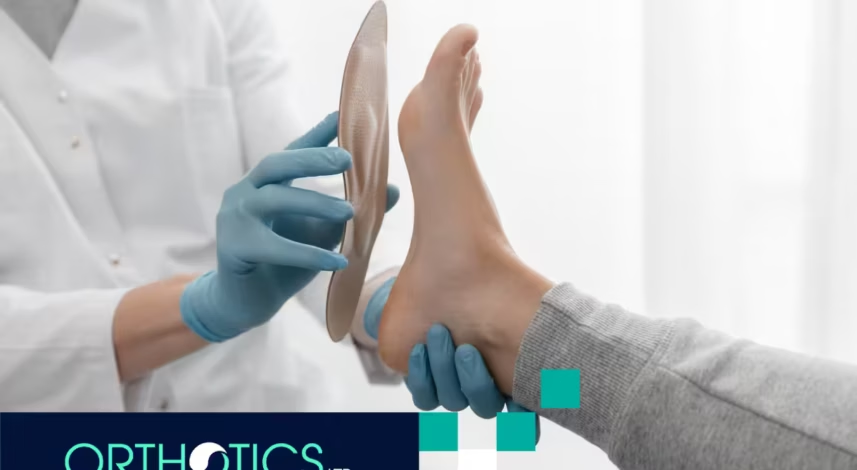
Step 5: The Orthotic Fitting Appointment
The fitting appointment is where the orthotic care process truly comes together.
What to Expect at the Fitting
- Proper placement of the orthotic in footwear
- Assessment of comfort and alignment
- Initial walking or standing evaluation
- Education on wearing schedules
It is normal for the orthotic to feel unfamiliar at first. The body often needs time to adapt to improved alignment.
Step 6: Break-In Period and Adjustment
Orthotic care includes a break-in phase to allow gradual adaptation.
Typical Break-In Guidelines
- Wear for short periods initially
- Gradually increase daily use
- Monitor comfort and pressure points
- Avoid overuse during the first week
Minor discomfort during this phase is common, but pain should be reported promptly.
Step 7: Follow-Up Appointments
Follow-up visits are a critical part of orthotic care and should not be skipped.
Purpose of Follow-Up Care
- Fine-tune fit and alignment
- Address pressure points
- Assess symptom improvement
- Make necessary modifications
Orthotics often require small adjustments to achieve optimal performance.
Why Follow-Up Matters in Orthotic Care
The body changes over time due to:
- Weight fluctuations
- Muscle adaptation
- Activity level changes
- Progression of medical conditions
Regular follow-up ensures orthotics continue to provide proper support and comfort.
Orthotic Care Timeline Overview
| Stage | Purpose |
|---|---|
| Initial Evaluation | Identify needs and goals |
| Measurement & Casting | Capture accurate anatomy |
| Fabrication | Build a customized orthotic |
| Fitting | Ensure comfort and function |
| Break-In | Allow the body to adapt |
| Follow-Up | Optimize long-term results |
This structured approach supports both short-term relief and long-term mobility.
Common Concerns During Orthotic Care
“My orthotics feel different from what I expected.”
This is common during the break-in period as alignment improves.
“Do orthotics weaken my feet?”
Properly prescribed orthotics support natural movement and do not weaken muscles.
“Will I need new orthotics later?”
Orthotics may need replacement as materials wear or needs change.
Long-Term Benefits of Proper Orthotic Care
When orthotic care is managed correctly, individuals may experience:
- Reduced pain and fatigue
- Improved posture and gait
- Increased activity tolerance
- Better balance and stability
- Lower risk of injury
Orthotics are most effective when paired with consistent follow-up and professional guidance.
How Lifestyle Affects Orthotic Care
Activity level, footwear choices, and daily routines all influence orthotic performance. Communicating changes helps ensure continued success.
Final Thoughts
Understanding what to expect with orthotic care helps individuals approach treatment with clarity and confidence. From initial evaluation to long-term follow-up, each step plays an important role in achieving comfort, mobility, and lasting support.
For those seeking personalized orthotic solutions and comprehensive care from fitting through follow-up, Orthotics Ltd. offers expert guidance and customized treatment designed to support long-term mobility and everyday comfort. Contact us today!
Frequently Asked Questions
1. How long does orthotic care take from start to finish?
Initial fitting typically takes a few weeks, with follow-up care continuing as needed.
2. Are orthotics uncomfortable at first?
Mild discomfort during the break-in period is normal, but pain should be addressed immediately.
3. How often should orthotics be replaced?
Most orthotics last 1–3 years, depending on wear and activity level.
4. Can orthotics fit into any shoes?
Some footwear accommodates orthotics better than others. Guidance is provided during fitting.
5. Is follow-up really necessary?
Yes. Follow-up ensures continued comfort, effectiveness, and safety.
Sources:
- https://www.southfloridasportsmedicine.com/storage/app/media/break-in-instructions-for-your-custom-orthotics.pdf
- https://my.clevelandclinic.org/health/treatments/orthotics
- https://www.health.harvard.edu/blog/do-i-need-orthotics-what-kind-2018102915182
- https://ghpnews.digital/9-types-of-orthotic-devices-and-their-best-uses/
- https://nwrehab.ca/the-ultimate-guide-to-orthotics-types-understanding-the-different-varieties/
