

What Happens During a Prosthetic Home Visit Consultation
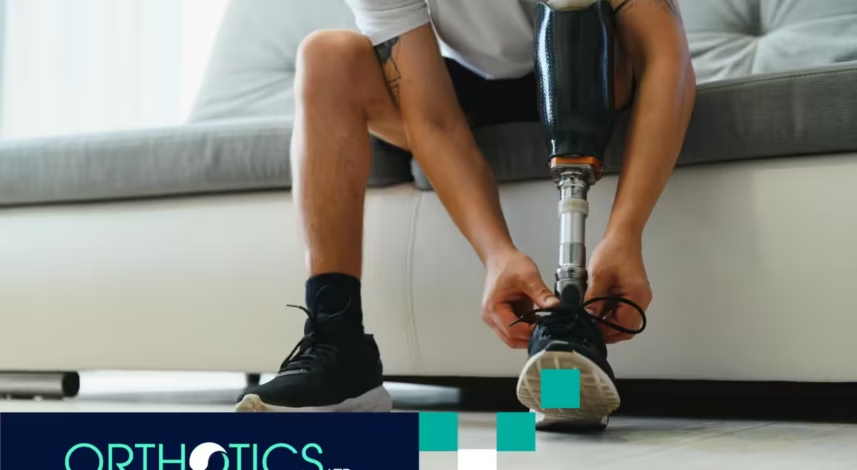
Learn what happens during a prosthetic home visit consultation, including assessment, education, and how in-home care supports comfort and mobility.
Key Highlights
- Prosthetic home visit consultations provide personalized care in a familiar environment.
- The process includes assessment, discussion of goals, and preliminary fitting support.
- Home visits help address mobility, safety, and comfort concerns in real-world settings.
- No prosthetic is finalized during the first visit—education and planning are key.
- Follow-up care ensures proper fit, function, and long-term success.
What Is a Prosthetic Home Visit Consultation?
A prosthetic home visit consultation is an in-home appointment conducted by a licensed prosthetist. The purpose is to evaluate needs, provide education, and plan prosthetic care without requiring the patient to travel. Home visit consultations are often recommended for:- Individuals with limited mobility
- New amputees during early recovery
- Patients transitioning home from rehabilitation
- Those needing environment-based mobility assessments
- Individuals who benefit from caregiver involvement
Why Home Visits Are an Important Part of Prosthetic Care
A clinic setting provides valuable tools and equipment—but it doesn’t always reflect daily life. Home visits allow prosthetists to understand how prosthetic care fits into real-world routines. Benefits of a home visit include:- Reduced physical strain from travel
- Personalized recommendations based on living space
- Increased comfort and reduced anxiety
- Better caregiver involvement
- More accurate mobility and safety assessments
Step 1: Arrival and Introduction
The consultation typically begins with introductions and a discussion of the visit’s purpose. What to expect:- Review of medical history and prosthetic status
- Discussion of goals, concerns, and expectations
- Explanation of next steps in prosthetic care
Step 2: Medical and Functional Assessment
The prosthetist will conduct a detailed assessment tailored to the individual’s needs. Assessment may include:- Review of amputation level and healing status
- Evaluation of residual limb condition
- Discussion of pain, skin sensitivity, or swelling
- Assessment of balance and mobility challenges
- Review of current prosthetic device (if applicable)
Step 3: Home Environment Evaluation
One unique aspect of a prosthetic home visit consultation is the ability to assess the living environment directly. Areas often reviewed:- Entryways and exits
- Flooring types (carpet, tile, stairs)
- Bathroom safety
- Bedroom layout
- Frequently used walking paths
Step 4: Functional Movement Observation
When appropriate, the prosthetist may observe movement within the home. This may include:- Standing and sitting transitions
- Short-distance walking
- Navigating stairs or uneven surfaces
- Use of mobility aids
Step 5: Discussion of Prosthetic Options
A prosthetic home visit consultation is not about finalizing a device on the spot—it’s about education and planning. Topics commonly discussed:- Types of prosthetic components
- Suspension options
- Comfort and stability considerations
- Lifestyle and activity goals
- Timeline for fittings and follow-ups
Step 6: Preliminary Measurements or Assessments (If Appropriate)
In some cases, basic measurements or visual assessments may be taken. Important note: Full casting or advanced fitting usually occurs in a clinic setting where specialized equipment is available. Home visits focus on preparation, not final fabrication.Step 7: Education and Caregiver Involvement
Education is a major component of a prosthetic home visit consultation. Education may cover:- What to expect during the prosthetic process
- Residual limb care basics
- Skin health and hygiene
- Importance of follow-up care
- Safe movement strategies at home
Step 8: Creating a Personalized Care Plan
At the end of the visit, the prosthetist outlines the next steps. The care plan may include:- Recommendations for clinic appointments
- Prosthetic fitting timeline
- Coordination with physical therapy
- Follow-up home or clinic visits
- Equipment or environmental suggestions
What a Prosthetic Home Visit Consultation Does Not Include
To set realistic expectations, it’s helpful to know what typically does not happen during a home visit.| Not Included | Reason |
|---|---|
| Final prosthetic fabrication | Requires clinic equipment |
| Immediate device delivery | Custom devices need time |
| Major adjustments | Best done in a clinical setting |
| Replacement decisions | Often require additional evaluation |
Who Benefits Most From Home Visit Consultations?
Prosthetic home visit consultations are especially beneficial for:- New amputees
- Seniors
- Individuals with complex medical conditions
- Those recovering from surgery
- Patients with transportation challenges
How Home Visits Improve Long-Term Outcomes
By addressing real-life challenges early, home visits can:- Reduce fall risk
- Improve prosthetic comfort
- Increase confidence
- Support independence
- Enhance overall satisfaction with prosthetic care
Preparing for a Prosthetic Home Visit Consultation
Simple Preparation Tips
- Wear comfortable clothing
- Have the current prosthetic (if applicable) available
- Make a list of questions or concerns
- Allow access to common living areas
- Invite caregivers to participate
Final Thoughts
Understanding what happens during a prosthetic home visit consultation can help individuals and families feel more confident and prepared when beginning prosthetic care. These visits offer a personalized, supportive approach that prioritizes comfort, safety, and real-world mobility. For individuals seeking compassionate, professional prosthetic care that meets them where they are, Orthotics Ltd. offers comprehensive prosthetic services, including personalized consultations designed to support long-term mobility and independence. Reach out today!Source:
- https://www.abcop.org/individual-certification/get-certified/orthotist-prosthetist/overview
- https://www.physio-pedia.com/Amputations
- https://www.merckmanuals.com/home/special-subjects/limb-prosthetics/prosthesis-parts
- https://www.veteranshealthlibrary.va.gov/3,88864
- https://www.hopkinsmedicine.org/health/treatment-tests-and-therapies/amputation/amputation-recovery-and-rehabilitation
