

Adjusting to Life with a Myoelectric Limb
Key Highlights
- Myoelectric limbs use muscle signals to provide intuitive, powered movement.
- Adjustment involves physical, emotional, and practical changes, not just learning the technology.
- Training and rehabilitation are essential for mastering control and reducing fatigue.
- Daily care and maintenance impact performance and comfort.
- With time and support, many users regain independence and confidence in work, hobbies, and daily life.
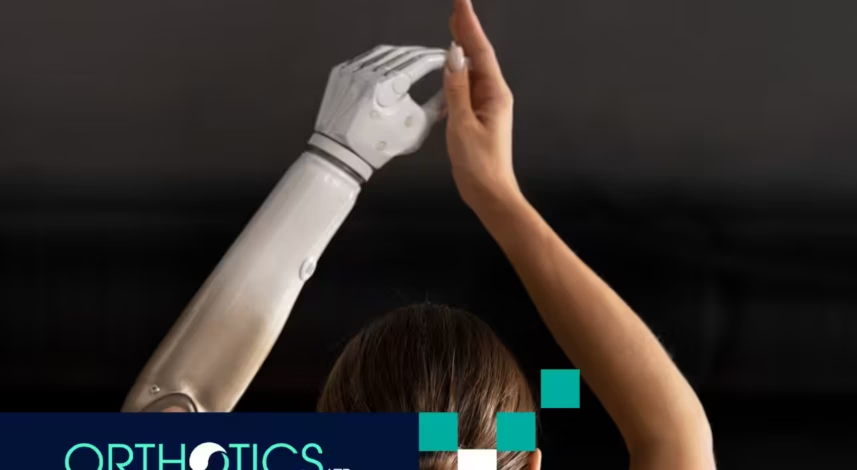
Adjusting to life with a myoelectric limb is a journey—one that blends advanced technology with personal adaptation. Myoelectric prosthetic limbs represent a significant advancement in prosthetic care, offering powered movement controlled by the body’s own muscle signals. For many individuals, they open the door to greater independence, precision, and functionality.
However, the transition to using a myoelectric limb can feel overwhelming at first. Learning how the device responds, adapting daily routines, and rebuilding confidence all take time. Understanding what to expect during this adjustment period can make the process smoother and more empowering.
This guide explores what it truly means to adjust to life with a myoelectric limb, from learning control and managing expectations to long-term success and quality of life.
What Is a Myoelectric Limb?
A myoelectric limb is a type of prosthetic that uses electrical signals generated by muscle contractions in the residual limb. Sensors inside the prosthesis detect these signals and translate them into movement, allowing the user to control functions such as:
- Opening and closing a hand
- Rotating a wrist
- Bending an elbow
- Adjusting grip strength
Unlike body-powered prosthetics, myoelectric limbs rely on batteries and motors, providing smoother, more natural-looking motion.
The Initial Adjustment Period
Learning a New Way to Move
One of the biggest adjustments is learning how subtle muscle contractions control the limb. Movements that once felt automatic may initially require conscious effort.
Common early experiences include:
- Accidental movements
- Delayed responses
- Muscle fatigue
- Frustration during practice
These challenges are normal and typically improve with training and repetition.
Building Muscle Control
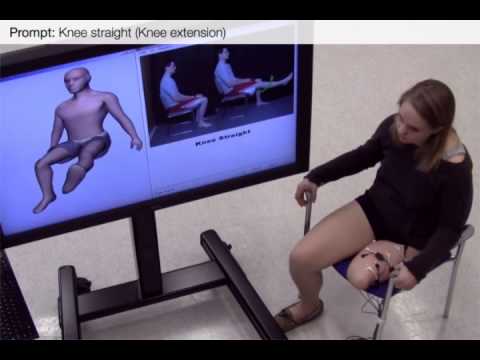
Because myoelectric limbs rely on specific muscle signals, users often need to strengthen and isolate certain muscles. This process may involve:
- Targeted exercises
- Repetitive practice
- Guided therapy sessions
Over time, muscle control becomes more refined, allowing smoother and more intuitive use.
Physical Challenges and Adaptation
Fatigue and Endurance
Using a powered prosthetic can initially be tiring. The muscles responsible for control may not have been used in the same way before.
Strategies to manage fatigue include:
- Gradual wear schedules
- Regular breaks
- Strengthening exercises
- Proper socket fit adjustments
Endurance typically improves as muscles adapt and efficiency increases.
Socket Comfort and Fit
Comfort plays a critical role in successful adjustment. An ill-fitting socket can interfere with signal detection and cause discomfort or skin irritation.
Regular follow-ups help ensure:
- Proper alignment
- Even pressure distribution
- Reliable sensor contact
- Long-term comfort
Emotional and Psychological Adjustment
Managing Expectations
Myoelectric limbs are advanced, but they are not biological replacements. Adjusting expectations is an important part of the process.
Some users expect:
- Immediate mastery
- Perfect movement
- Full sensory feedback
In reality, success comes gradually through practice, patience, and realistic goals.
Rebuilding Confidence
Using a myoelectric limb in public, at work, or in social settings can feel intimidating at first. Confidence often grows as users:
- Become more comfortable with the device
- Regain functional abilities
- Develop problem-solving skills
Support from peers, therapists, and family can make a significant difference.
Training and Rehabilitation
Role of Occupational Therapy
Occupational therapy is essential for learning how to use a myoelectric limb in daily life. Therapy focuses on:
- Fine motor control
- Functional tasks (eating, dressing, typing)
- Energy conservation
- Real-world application
Training bridges the gap between clinical use and everyday independence.
Practice Makes Progress
Consistency is key. Regular practice helps:
- Improve signal accuracy
- Reduce unintended movements
- Build muscle memory
- Increase confidence
Small daily improvements add up over time.
Daily Life with a Myoelectric Limb
Activities of Daily Living
Tasks such as cooking, grooming, and household chores often become easier with myoelectric control, though they may require adaptation.
Users often learn:
- New techniques for gripping objects
- Alternative hand positions
- How to adjust grip strength for delicate items
Work and Hobbies
Many individuals return to work or hobbies after adjusting to a myoelectric limb. Depending on the activity, adjustments may include:
- Customized grip patterns
- Task-specific training
- Workplace accommodations
The versatility of myoelectric limbs supports a wide range of activities.
Maintenance and Daily Care
Battery Management
Because myoelectric limbs are powered, battery care is essential.
Daily habits include:
- Charging overnight
- Monitoring battery levels
- Carrying backup chargers when needed
Proper battery management ensures consistent performance.
Cleaning and Skin Care
Maintaining hygiene helps prevent skin issues and improves comfort.
Key practices:
- Cleaning the socket and liner regularly
- Inspecting skin for irritation
- Addressing redness or soreness early
Healthy skin supports reliable muscle signal detection.
Common Challenges and Solutions
| Challenge | Practical Solution |
|---|---|
| Inconsistent control | Sensor recalibration and muscle training |
| Muscle fatigue | Gradual wear schedule and strengthening |
| Skin irritation | Socket adjustments and improved hygiene |
| Battery concerns | Routine charging and spare batteries |
| Emotional frustration | Support groups and professional guidance |
Addressing challenges early prevents setbacks and supports long-term success.
Social and Lifestyle Considerations
Explaining the Device to Others
Many users choose how much they want to share about their prosthetic. Having a simple explanation ready can reduce awkward moments and increase confidence.
Independence and Identity
A myoelectric limb can become an empowering tool rather than a limitation. Over time, many users report:
- Increased independence
- Greater self-reliance
- Improved self-image
Adjustment is not just physical—it’s deeply personal.
Long-Term Adaptation and Growth
Continuous Improvements
Myoelectric technology continues to evolve, and adjustments may be needed as:
- Activity levels change
- Muscles strengthen
- Technology updates become available
Ongoing evaluations help ensure the prosthesis continues to meet the user’s needs.
Setting Realistic Goals
Success looks different for everyone. Progress may involve:
- Mastering specific tasks
- Increasing wear time
- Returning to meaningful activities
Celebrating milestones supports motivation and confidence.
The Importance of Professional Support
Adjusting to life with a myoelectric limb is not something most people do alone. A strong care team provides:
- Technical expertise
- Training and education
- Emotional support
- Long-term follow-up
Professional guidance ensures the technology works with the user—not against them.
Final Thoughts
Life with a myoelectric limb is a process of learning, adapting, and growing. While the journey comes with challenges, it also offers opportunities for increased independence, functionality, and confidence. With patience, practice, and the right support, many individuals find that a myoelectric limb becomes a powerful extension of their daily life.
For those navigating this transition, providers like Orthotics Ltd. offer comprehensive prosthetic care, training, and ongoing support to help individuals adjust successfully and make the most of their myoelectric technology. Contact us today!
Frequently Asked Questions
1. How long does it take to adjust to a myoelectric limb?
Adjustment varies, but many users see significant improvement within a few months with consistent training and use.
2. Are myoelectric limbs difficult to control?
They can feel challenging at first, but control improves as muscles strengthen and users gain experience.
3. Do myoelectric limbs require a lot of maintenance?
They require regular charging, cleaning, and occasional adjustments, but daily maintenance is manageable with routine habits.
4. Can I return to work with a myoelectric limb?
Many people successfully return to work, depending on job demands and appropriate training or accommodations.
5. What should I do if my myoelectric limb feels uncomfortable?
Discomfort should be addressed promptly with your prosthetic provider to adjust fit, alignment, or settings.
Sources:
- https://pmc.ncbi.nlm.nih.gov/articles/PMC4968852/
- https://www.nature.com/articles/s41598-017-14386-w
- https://news.mit.edu/2024/prosthesis-helps-people-with-amputation-walk-naturally-0701
- https://www.sciencedirect.com/topics/medicine-and-dentistry/myoelectric-control
- https://www.limbs4life.org.au/prosthetics/directory/upper-limb/myoelectric
