

What Is Rotationplasty? A Patient’s Guide

Key Highlights
- Rotationplasty is a surgical procedure that preserves limb function by rotating and reattaching part of the leg.
- It is most commonly used for children and young adults with bone cancer or severe limb deformities.
- The ankle functions as a knee joint after surgery, allowing effective prosthetic use.
- Despite its unique appearance, rotationplasty often provides excellent mobility and durability.
- With proper prosthetic care and rehabilitation, many patients lead active, independent lives.
Hearing the term rotationplasty for the first time can be confusing and even intimidating. The procedure is uncommon and visually different from traditional amputations, which often raises questions for patients and families alike. However, rotationplasty has a long history of success in preserving function, mobility, and long-term quality of life—especially for younger patients.
This patient-focused guide explains what rotationplasty is, why it’s performed, who may benefit from it, and what life looks like afterward. Understanding the procedure and its outcomes can help patients and caregivers make informed decisions with confidence.
What Is Rotationplasty?
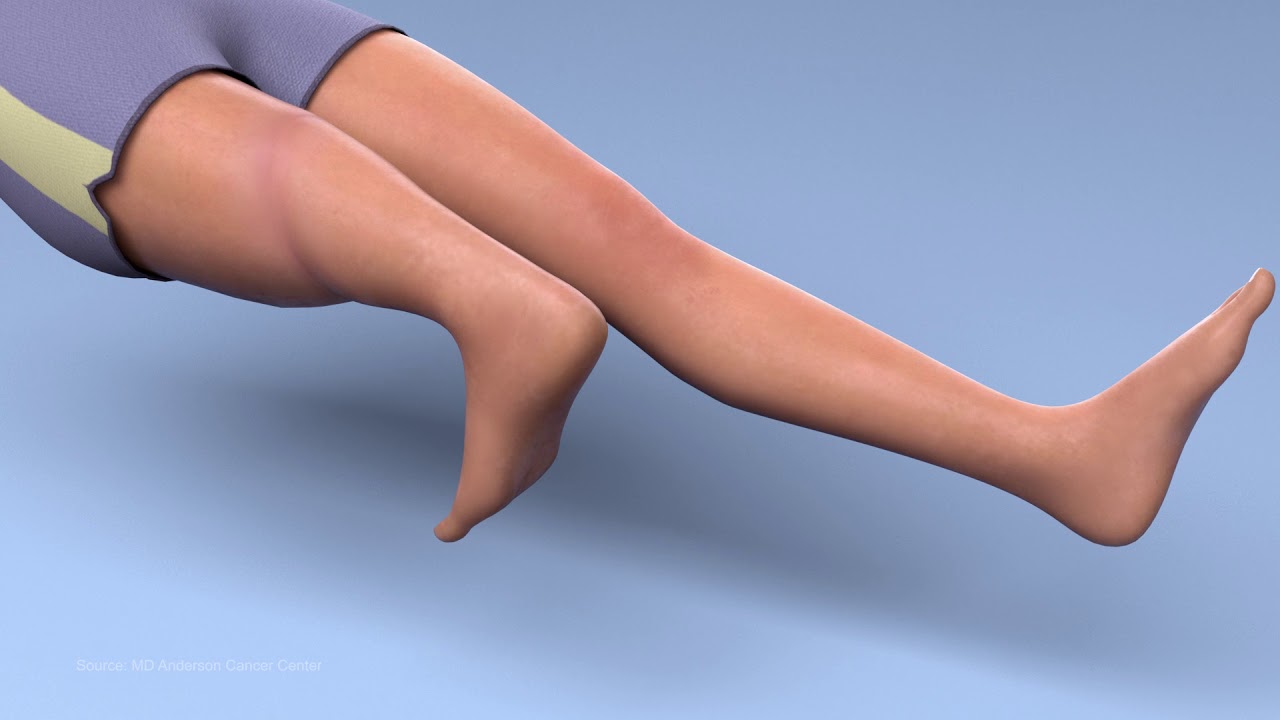
Rotationplasty is a surgical procedure in which a diseased portion of the leg—typically around the knee—is removed, and the lower leg is rotated 180 degrees and reattached. After surgery:
- The ankle joint functions as a knee joint
- The foot faces backward inside a prosthetic limb
- The patient can control the prosthesis using their own muscles and joints
Although the appearance is unconventional, the functional outcome is often highly effective.
Why Is Rotationplasty Performed?
Rotationplasty is usually recommended when limb preservation is desired, but traditional reconstruction or amputation may limit long-term function.
Common Reasons for Rotationplasty
- Bone cancers such as osteosarcoma or Ewing sarcoma
- Tumors around the knee joint
- Severe congenital limb deformities
- Failed limb-salvage surgeries
- Traumatic injuries in rare cases
The goal is to remove diseased tissue while maintaining as much natural movement and strength as possible.
Who Is a Candidate for Rotationplasty?
Rotationplasty is not appropriate for everyone, but it can be life-changing for certain individuals.
Ideal Candidates Often Include:
- Children or adolescents with bone cancer near the knee
- Patients with good ankle function and nerve health
- Individuals who are medically stable and able to participate in rehabilitation
- Those seeking a durable, high-functioning alternative to above-knee amputation
Age plays a role, but adults can also be candidates depending on their health and circumstances.
How Rotationplasty Works
Step-by-Step Overview
- The surgeon removes the diseased portion of the femur or knee.
- The lower leg is rotated 180 degrees.
- Blood vessels, nerves, and muscles are carefully reconnected.
- The ankle is positioned to bend in the opposite direction, mimicking knee motion.
- After healing, the patient is fitted with a prosthetic limb.
This unique configuration allows the ankle to act as a powerful, natural knee joint.
Rotationplasty vs Traditional Amputation
Many patients compare rotationplasty with above-knee or below-knee amputation. Functionally, rotationplasty often offers significant advantages.
| Feature | Rotationplasty | Above-Knee Amputation |
|---|---|---|
| Joint Control | Uses the natural ankle as the knee | No natural knee joint |
| Energy Use | Lower | Higher |
| Prosthetic Control | High | Moderate |
| Durability | Excellent | Variable |
| Long-Term Mobility | Often superior | More limited |
While appearance differs, function and efficiency are often better with rotationplasty.
What Does the Prosthesis Do After Rotationplasty?
A rotationplasty prosthesis is specially designed to:
- Accommodate the rotated foot and lower leg
- Align the ankle joint as a functional knee
- Provide stability, comfort, and durability
- Support walking, running, and daily activities
The prosthesis plays a critical role in long-term success and mobility.
Life After Rotationplasty
Mobility and Activity
Many individuals with rotationplasty can:
- Walk with a smooth, efficient gait
- Participate in sports and physical activities
- Run, bike, and even compete athletically
- Navigate stairs and uneven terrain effectively
Because the joint is biological rather than mechanical, movement often feels more natural.
Rehabilitation and Recovery
The Importance of Physical Therapy
Rehabilitation is essential after rotationplasty and typically includes:
- Strength training
- Balance and coordination exercises
- Gait training with a prosthesis
- Flexibility and endurance work
Therapy supports muscle adaptation and helps patients relearn movement patterns.
Timeline Expectations
- Initial healing: Several weeks
- Prosthetic fitting: After surgical recovery
- Functional walking: Months with training
- Long-term improvement: Continues over the years
Progress varies, but many patients exceed expectations.
Emotional and Social Considerations
Adjusting to Appearance
One of the most discussed aspects of rotationplasty is its visual appearance. Adjustment can take time, particularly for adolescents.
Support strategies include:
- Counseling or peer support
- Education for family and friends
- Focusing on function and independence
Many patients report that confidence grows as mobility improves.
Psychological Resilience
Studies and patient experiences show that individuals with rotationplasty often develop strong self-confidence, particularly when they regain independence and physical capability.
Long-Term Outcomes and Quality of Life
Research consistently shows that rotationplasty offers:
- Excellent long-term durability
- Fewer prosthetic complications
- High satisfaction rates
- Strong functional outcomes decades after surgery
Because the “knee” joint is biological, it does not wear out like mechanical components.
Common Misconceptions About Rotationplasty
“It’s Only for Children”
While more common in pediatric care, adults can also benefit in select cases.
“It Limits Activities”
Many patients are highly active, including athletes.
“It’s Only a Last Resort”
In some cases, rotationplasty is chosen instead of other options due to its functional advantages.
Prosthetic Care After Rotationplasty
Prosthetic care is ongoing and evolves with the patient.
Key Aspects of Care
- Custom prosthetic design
- Regular fit adjustments
- Monitoring skin health
- Component upgrades as activity levels change
A knowledgeable prosthetic provider is essential for long-term success.
Making an Informed Decision
Choosing rotationplasty is a deeply personal decision that involves:
- Medical considerations
- Functional goals
- Lifestyle expectations
- Emotional readiness
Open discussions with surgeons, prosthetists, and rehabilitation teams help patients and families feel confident in their choice.
Final Thoughts
Rotationplasty may look unconventional, but it offers remarkable functional benefits for the right candidates. Preserving a biological joint and supporting advanced prosthetic use allows many individuals to live active, independent, and fulfilling lives after limb loss.
For those navigating prosthetic care after rotationplasty, providers like Orthotics Ltd. offer custom prosthetic solutions, expert guidance, and long-term support tailored to each patient’s unique anatomy and goals. Contact us today!
Frequently Asked Questions
1. Is rotationplasty considered an amputation?
Yes, rotationplasty is a type of amputation, but it preserves a functional joint by using the ankle as a knee.
2. Does rotationplasty limit physical activity?
No. Many individuals remain highly active and participate in sports and physical activities.
3. How long does recovery take after rotationplasty?
Initial recovery may take several months, with ongoing improvement through rehabilitation and prosthetic use.
4. Is rotationplasty permanent?
Yes, rotationplasty is a permanent surgical procedure designed for long-term function.
5. Can adults undergo rotationplasty?
Yes, adults may be candidates depending on medical condition, nerve health, and functional goals.
Sources:
- https://my.clevelandclinic.org/health/procedures/rotationplasty
- https://www.mayoclinic.org/diseases-conditions/osteosarcoma/symptoms-causes/syc-20351052
- https://www.ncbi.nlm.nih.gov/books/NBK559183/
- https://www.hopkinsmedicine.org/news/articles/2016/03/when-rotationplasty-is-the-right-fit
- https://pmc.ncbi.nlm.nih.gov/articles/PMC12269829/
