

What Makes a Prosthetic Feel Natural Over Time
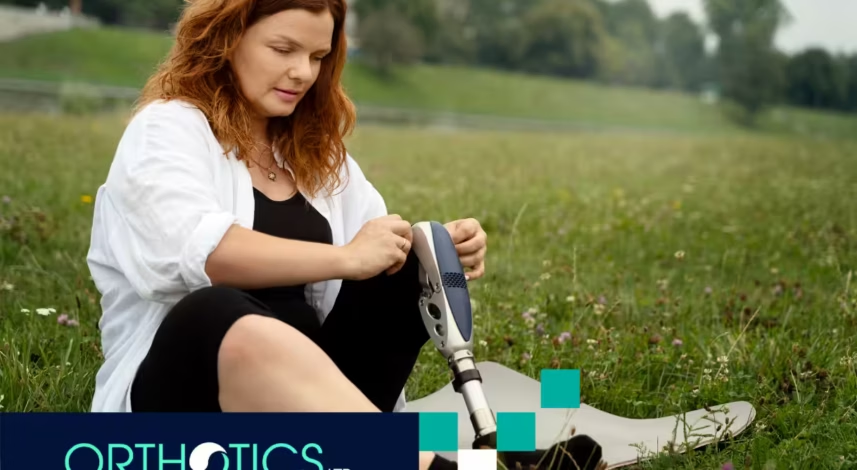
Key Highlights
- Proper fit and alignment are critical for a natural-feeling prosthetic.
- Advanced materials can mimic the movement and feel of natural limbs.
- Gradual adaptation and physical therapy improve comfort and functionality.
- Ongoing adjustments ensure the prosthetic evolves with your needs.
- Mental and emotional adaptation is just as important as physical adaptation.
What Makes a Prosthetic Feel Natural? Key Features
For someone adjusting to a prosthetic limb, one of the most common questions is: “Will this ever feel natural?” The answer depends on a combination of physical, mechanical, and psychological factors. While no prosthetic can completely replace the sensory experience of a natural limb, modern advancements and proper rehabilitation can make it feel remarkably natural over time.
This guide explores the key factors that contribute to a prosthetic feeling comfortable, functional, and intuitive, helping users regain confidence and mobility.
1. The Importance of a Proper Fit
A prosthetic’s foundation is its fit. A limb that fits poorly can cause discomfort, skin irritation, and unnatural movement patterns. Key elements include:
- Socket design: The socket connects your residual limb to the prosthetic. Custom-molded sockets that match the contours of the limb distribute pressure evenly and prevent friction points.
- Alignment: Correct alignment ensures the prosthetic moves in harmony with your natural gait. Misalignment can cause fatigue, imbalance, and pain.
- Suspension system: This system keeps the prosthetic securely in place. Options include suction, pin-lock, or vacuum-assisted systems. Choosing the right one can improve stability and reduce chafing.
Pro tip: Even minor adjustments to the socket or suspension can dramatically improve comfort and the overall “natural” feeling of the prosthetic.
2. Materials That Mimic Natural Movement
The materials used in prosthetics have evolved significantly. Lightweight metals, carbon fiber, and silicone-based components can create a more natural feel.
- Carbon fiber: Provides flexibility and energy return, which is ideal for active users.
- Silicone liners: Cushion the residual limb and reduce pressure points.
- Advanced joints: Microprocessor knees and powered ankles replicate natural motion patterns, including walking on uneven terrain or climbing stairs.
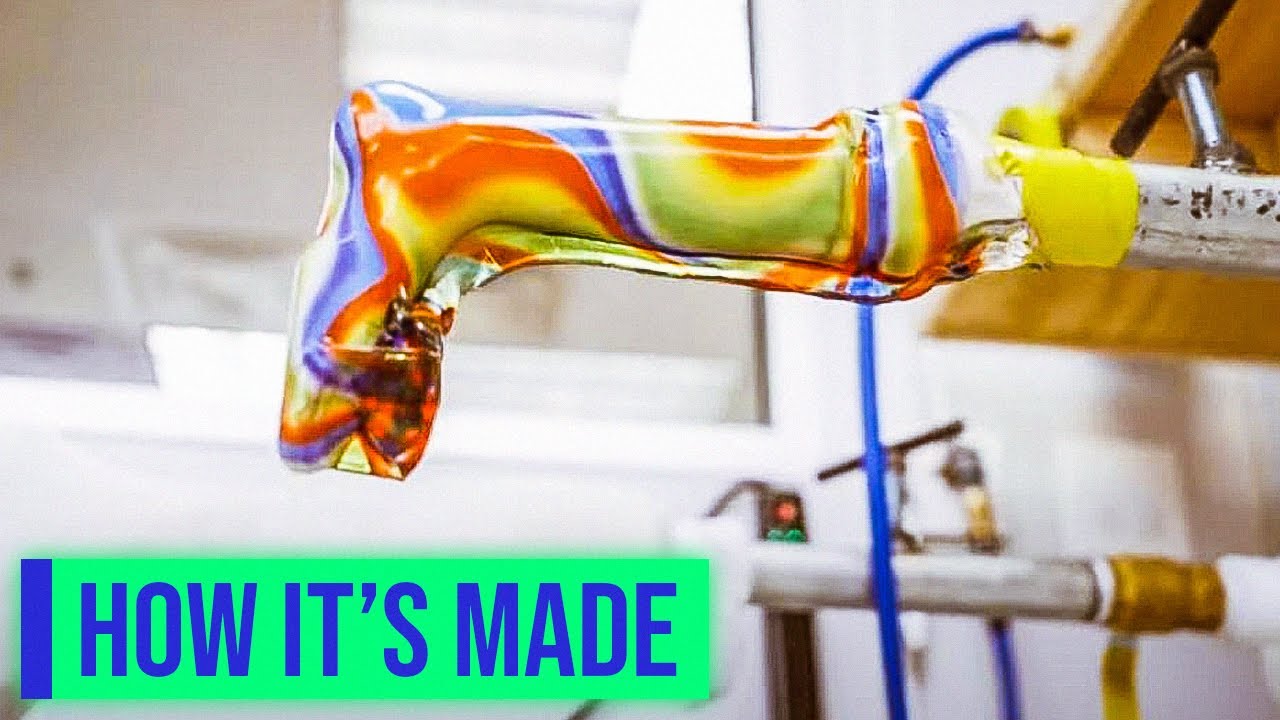
Using materials that replicate the elasticity, weight, and movement of natural limbs helps users regain confidence and a sense of control.
3. Gradual Adaptation and Rehabilitation
Feeling natural in a prosthetic doesn’t happen overnight. It requires a structured rehabilitation plan, often guided by a physical therapist or prosthetist.
- Gait training: Learning to walk with a prosthetic involves retraining muscles and balance. Therapists often start with parallel bars and gradually progress to independent walking.
- Strengthening exercises: Residual limb muscles, hips, and core need conditioning to support natural movement.
- Balance and coordination drills: These exercises help users adjust to the prosthetic’s weight and responsiveness.
Timeline for Prosthetic Adaptation
| Phase | Focus | Typical Duration | Key Outcome |
|---|---|---|---|
| Initial fitting | Comfort, socket adjustments | 1–2 weeks | Reduced irritation, basic mobility |
| Early training | Gait and balance | 2–6 weeks | Improved walking patterns |
| Intermediate training | Strength, endurance | 6–12 weeks | Greater confidence and longer usage |
| Long-term adaptation | Fine-tuning, daily activities | 3–6 months+ | Natural movement and functionality |
4. Personalized Adjustments Over Time
Even after a perfect initial fitting, your body and needs change. Regular check-ins with a prosthetist ensure ongoing comfort and functionality.
- Limb volume changes: Residual limbs can fluctuate due to weight gain/loss or fluid retention.
- Activity level: Adjustments may be needed if you become more active or take on new physical challenges.
- Component upgrades: Technology evolves, and integrating microprocessor joints or shock-absorbing feet can enhance natural movement.
Regular maintenance and upgrades can significantly prolong comfort and natural functionality.
5. Sensory and Psychological Factors
A natural-feeling prosthetic isn’t just about physical mechanics. Your brain and nervous system must adapt to the new limb.
- Proprioception training: Exercises that focus on sensing limb position and movement help users feel more connected to the prosthetic.
- Mental adaptation: Confidence, patience, and positive reinforcement are crucial. Anxiety or fear of falling can interfere with a natural gait.
- Gradual exposure: Performing daily tasks progressively helps the brain integrate the prosthetic into natural movement patterns.
6. Common Challenges and Solutions
Even with the best fit, materials, and training, users may encounter challenges.
- Skin irritation: Regular socket checks, liners, and hygiene practices prevent discomfort.
- Muscle fatigue: Strengthening and adjusting alignment reduce overuse injuries.
- Uneven terrain difficulty: Advanced prosthetic feet and training can improve adaptability.
Being proactive and working closely with your prosthetist ensures these issues are minimized.
7. The Role of Technology
Modern prosthetics use microprocessors, robotics, and smart sensors to replicate natural movement. These innovations provide:
- Smoother transitions between walking, running, or climbing stairs
- Shock absorption to reduce strain on joints
- Energy return mechanisms that move feel more effortless
While technology alone cannot make a prosthetic feel natural, combining it with fit, rehabilitation, and user adaptation produces the best results.
Final Thoughts
A prosthetic feels natural when the perfect combination of fit, materials, training, and mental adaptation is achieved. It’s a gradual process that requires ongoing adjustments, rehabilitation, and patience. Over time, users can experience enhanced mobility, comfort, and confidence, allowing them to live more independently and comfortably.
For those exploring prosthetic options and seeking professional guidance, Orthotics Ltd. provides expert fittings, personalized adjustments, and ongoing support to help each feel confident and natural in their prosthetic limb. Contact us today!
Frequently Asked Questions
1. How long does it take for a prosthetic to feel natural?
Adaptation varies per individual, but most users begin to feel more comfortable within 3–6 months, with continued improvements over time.
2. Can adjustments really make a difference?
Yes. Even small socket or alignment tweaks can significantly improve comfort and natural movement.
3. Do I need physical therapy to use a prosthetic?
Physical therapy is highly recommended to strengthen muscles, improve balance, and ensure safe, natural movement.
4. How often should I see my prosthetist?
Regular check-ins every few months, or whenever discomfort arises, help maintain optimal fit and function.
5. Can technology make a prosthetic feel more natural?
Yes. Microprocessor knees, powered ankles, and smart sensors enhance movement patterns and energy return, contributing to a more natural experience.
Sources:
- https://pmc.ncbi.nlm.nih.gov/articles/PMC9987462/
- https://www.physio-pedia.com/Gait_in_prosthetic_rehabilitation
- https://pmc.ncbi.nlm.nih.gov/articles/PMC10493033/
- https://news.mit.edu/2024/prosthesis-helps-people-with-amputation-walk-naturally-0701
- https://www.science.org/content/article/nerve-mimicking-device-gives-feeling-prosthetics
