

When Orthotics Are Used Alongside Prosthetics
Key Highlights
- Orthotics and prosthetics can complement each other to enhance function and comfort.
- Orthotics provide support, alignment, and stabilization for natural limbs.
- Prosthetics replace missing limbs, while orthotics optimize the remaining limb’s performance.
- Combining both devices can improve gait, balance, and overall mobility.
- Regular assessment and adjustments ensure optimal results and long-term comfort.
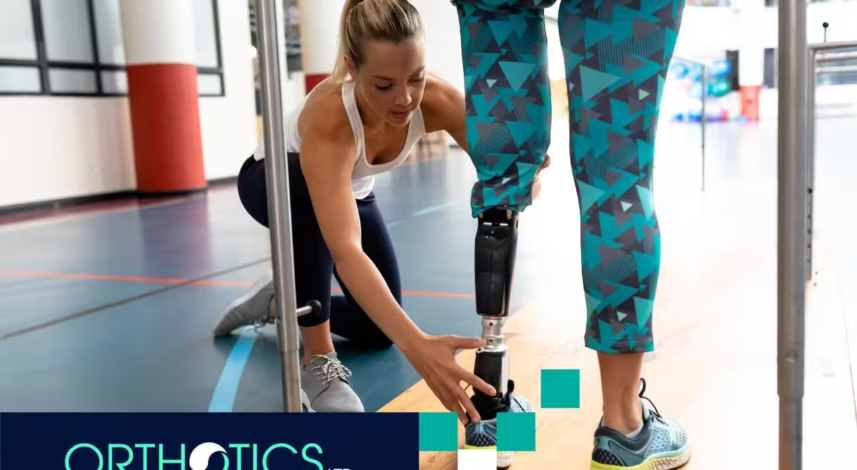
For individuals with limb differences, prosthetics are often essential for restoring mobility and independence. However, in many cases, orthotics are used alongside prosthetics to provide additional support, improve alignment, and enhance overall function.
Understanding when and how orthotics are used with prosthetics can help patients, caregivers, and clinicians make informed decisions about rehabilitation and mobility solutions. This article explores the benefits, applications, and strategies for combining orthotics with prosthetics to improve quality of life.
Understanding Prosthetics and Orthotics
Before exploring their combined use, it’s important to understand what each device does:
- Prosthetics: Replace missing limbs, enabling individuals to perform daily activities, walk, or engage in recreational activities.
- Orthotics: Support, align, or correct the function of a natural limb. Examples include ankle-foot orthoses (AFOs), knee braces, and spinal supports.
While prosthetics restore function to a missing limb, orthotics optimize the performance of remaining natural limbs, creating a more balanced, efficient, and safe movement pattern.
Why Orthotics Are Used with Prosthetics
Orthotics are often recommended alongside prosthetics for several reasons:
- Enhanced Stability: An orthotic can stabilize a joint, reducing the risk of falls and improving confidence while using a prosthetic.
- Improved Alignment: Correcting alignment in the remaining limb prevents compensatory movement patterns that can cause pain or injury.
- Pain Reduction: Orthotics can relieve pressure and reduce discomfort in natural joints or the residual limb.
- Gait Optimization: By supporting the natural limb, orthotics help create a more natural and efficient walking pattern when using a prosthetic.
- Functional Support: In cases of weakness, muscle imbalance, or neurological conditions, orthotics provide additional support to improve daily function.
Common Scenarios Where Both Are Used
There are several situations where combining prosthetics and orthotics is particularly beneficial:
1. Partial Limb Loss
-
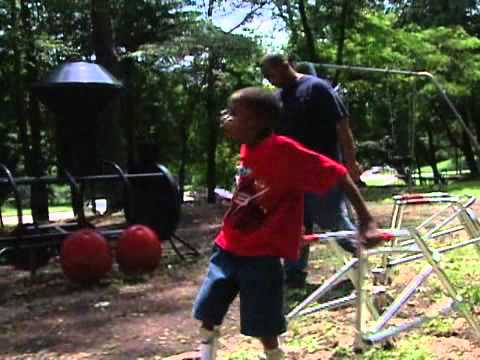
A child with a below-knee amputation may use a prosthetic for the missing limb and an ankle-foot orthosis (AFO) on the opposite leg to ensure proper alignment and balance.
2. Neurological Conditions
-
Conditions such as cerebral palsy or stroke can cause muscle weakness or spasticity. Orthotics support the natural limb, while prosthetics restore mobility for missing limbs.
3. Joint Instability
-
Individuals with ligament injuries or joint hypermobility may require braces or orthotic supports to prevent falls or excessive strain while adapting to a prosthetic limb.
4. Pediatric Growth Considerations
-
Growing children may need orthotics to manage alignment and balance while prosthetic adjustments are made to accommodate growth.
How Orthotics Complement Prosthetic Function
Orthotics can enhance the functionality of prosthetics in several ways:
- Weight Distribution: By stabilizing natural joints, orthotics help distribute weight evenly, preventing overuse of the residual limb.
- Energy Efficiency: Proper alignment reduces energy expenditure during walking or running.
- Posture Improvement: Supports spinal or pelvic alignment, especially in cases of limb-length differences.
- Confidence and Safety: Children and adults are more likely to use prosthetics consistently when their natural limb is well-supported.
Examples of Orthotic-Prosthetic Combinations
| Prosthetic Type | Complementary Orthotic | Benefit |
|---|---|---|
| Below-knee prosthetic | Ankle-foot orthosis (AFO) on the opposite limb | Improves gait symmetry, balance |
| Upper-limb prosthetic | Wrist-hand orthosis | Enhances control and fine motor tasks |
| Partial foot prosthetic | Foot orthotic insert | Reduces pressure and improves weight distribution |
| Pediatric prosthetic | Knee or hip orthosis | Supports growth-related alignment and posture |
Therapy and Training
Using prosthetics alongside orthotics requires guided therapy to ensure optimal outcomes.
- Gait Training: Therapists teach individuals how to walk safely while using both devices.
- Strength and Conditioning: Focus on muscles that support both prosthetic and orthotic function.
- Balance Exercises: Improve confidence in dynamic situations, such as stairs or uneven terrain.
- Functional Practice: Daily activities, sports, and play help integrate devices into normal movement patterns.
Maintenance and Adjustments
Both orthotics and prosthetics require regular monitoring to maintain fit and effectiveness:
- Socket and brace adjustments: Growth, weight changes, or wear may require modifications.
- Material inspection: Ensure components are intact and functioning correctly.
- Follow-up therapy: Continue to adapt exercises as skills improve and mobility goals change.
Consistent maintenance ensures safety, comfort, and optimal long-term outcomes.
Benefits of Combined Use
Using orthotics alongside prosthetics offers several benefits:
- Improved mobility and walking efficiency
- Reduced risk of injury or falls
- Enhanced confidence and independence
- Prevention of secondary complications, such as joint pain or overuse injuries
- Better integration of prosthetic and natural limb movement
Final Thoughts
Orthotics and prosthetics are most effective when used together in a coordinated approach. While prosthetics replace missing limbs, orthotics optimize the function of natural limbs, improve alignment, and enhance balance. With proper fitting, therapy, and ongoing support, individuals can achieve greater mobility, safety, and confidence.
For patients seeking personalized solutions and expert guidance, Orthotics Ltd. provides comprehensive assessments, device fittings, and therapy support to ensure the best outcomes when combining orthotics and prosthetics. Contact us today!
Frequently Asked Questions
1. Can orthotics be used with any prosthetic?
Yes, but the type of orthotic and its function should be carefully selected by a prosthetist or therapist based on individual needs.
2. Do children need different orthotic-prosthetic combinations than adults?
Children often require combinations that accommodate growth and development, whereas adults may focus more on alignment and joint support.
3. How often should adjustments be made?
Adjustments should occur as needed—typically every 3–6 months for children or when discomfort, growth, or activity changes occur.
4. Can using orthotics reduce strain on a prosthetic limb?
Yes. Orthotics support the natural limb, balancing weight and reducing overuse of the prosthetic limb.
5. Is therapy necessary when using both devices?
Absolutely. Therapy ensures safe, efficient movement, improves coordination, and maximizes the benefits of both devices.
Sources:
- https://www.physio-pedia.com/Introduction_to_Ankle_Foot_Orthoses
- https://pmc.ncbi.nlm.nih.gov/articles/PMC10659571/
- https://www.physio-pedia.com/Orthotics_in_Cerebral_Palsy
- https://pmc.ncbi.nlm.nih.gov/articles/PMC5218520/
- https://www.physio-pedia.com/Post-fitting_management_of_the_amputee
