

Caring for a Child with a Prosthetic Limb: Helpful Tips

Key Highlights
- Caring for a child with a prosthetic limb involves physical, emotional, and social support.
- Proper daily cleaning and maintenance extend the life of the prosthetic limb.
- Encouraging independence builds confidence and resilience.
- Open communication with schools and healthcare providers ensures safety and inclusion.
- Regular follow-ups are essential as children grow and their needs change.
Raising a child with a prosthetic limb comes with unique challenges—and incredible growth opportunities. With the right support, children with limb differences can lead active, confident, and fulfilling lives.
Whether your child was born with limb differences or experienced limb loss due to injury or illness, learning how to properly care for their prosthetic device—and support their emotional well-being—makes all the difference.
This guide offers practical, easy-to-follow tips to help parents and caregivers navigate daily care, school life, emotional support, and long-term success.
Understanding Your Child’s Prosthetic Limb
A prosthetic limb is a custom-made device designed to replace a missing arm or leg. Pediatric prosthetics are carefully fitted to match your child’s size, activity level, and developmental stage.
Unlike adult prosthetics, children’s devices must be adjusted or replaced frequently due to growth. As your child grows taller, gains weight, or becomes more active, their prosthetic limb will need modifications to ensure comfort and function.
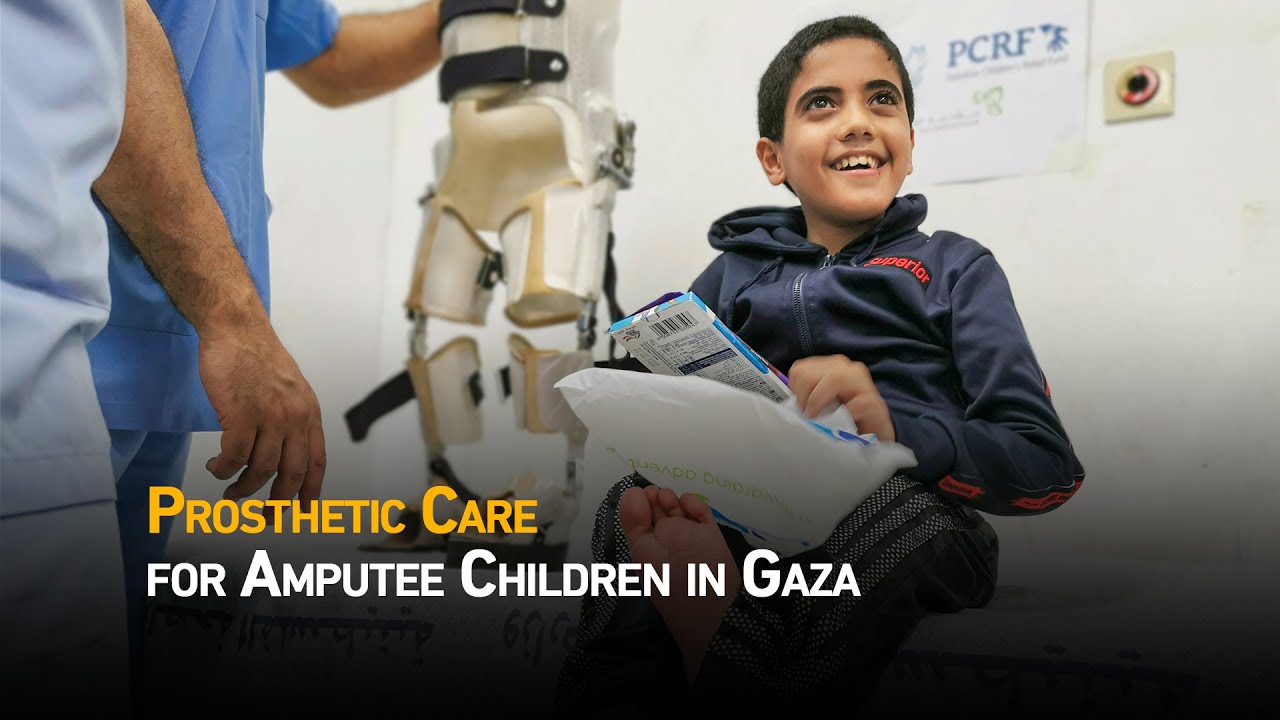
Common Types of Pediatric Prosthetics
| Type | Description | Common Use |
|---|---|---|
| Passive Prosthesis | Provides appearance and balance | Toddlers and young children |
| Body-Powered Prosthesis | Operated through body movement and cables | Older children with upper-limb differences |
| Myoelectric Prosthesis | Controlled by muscle signals | Advanced upper-limb function |
| Activity-Specific Prosthesis | Designed for sports or special tasks | Athletics, swimming, biking |
Understanding your child’s device helps you provide better care and recognize when adjustments are needed.
Daily Care and Maintenance
Proper care keeps your child’s prosthetic limb comfortable, functional, and long-lasting.
1. Clean the Prosthesis Daily
- Wipe the socket (the part that fits over the limb) with mild soap and water.
- Dry thoroughly to prevent skin irritation.
- Clean liners and sleeves according to your provider’s instructions.
Moisture buildup can lead to odor, skin breakdown, or infection. Establish a daily cleaning routine—especially during warmer months or after sports activities.
2. Check the Skin
Inspect your child’s residual limb every day for:
- Redness lasting more than 20–30 minutes
- Blisters
- Rashes
- Swelling
- Cuts or pressure sores
Mild redness is common, but persistent irritation should be addressed promptly. Early detection prevents bigger issues.
3. Monitor Fit and Comfort
Children grow quickly. Signs that a prosthetic limb may no longer fit properly include:
- Complaints of discomfort
- Limping or altered gait
- Difficulty putting it on
- Reduced usage
- Visible gaps in the socket
If you notice these signs, schedule an appointment for assessment and adjustment.
Supporting Emotional Well-Being
Caring for a child with a prosthetic limb goes beyond physical maintenance. Emotional support plays a crucial role in your child’s confidence and resilience.Normalize Conversations
Encourage open discussions about:
- How they feel about their prosthetic limb
- Questions from peers
- Frustrations or challenges
Let them know their feelings are valid. Avoid dismissing concerns, even if they seem minor.
Build Confidence Early
- Celebrate milestones (walking, tying shoes, sports participation).
- Encourage self-advocacy.
- Praise effort, not just outcomes.
Confidence grows when children feel capable and supported.
Connect with Peer Support
Meeting other children with prosthetic limbs can:
- Reduce feelings of isolation
- Provide role models
- Build friendships
- Increase motivation
Support groups and adaptive sports programs can be powerful confidence builders.
Encouraging Independence
One of the most important goals when caring for a child with a prosthetic limb is fostering independence.
Let Them Try
It can be tempting to help with every task—but allowing your child to attempt activities independently builds skill and resilience.
Encourage them to:
- Dress themselves
- Carry their backpack
- Participate in chores
- Practice sports or hobbies
Even if tasks take longer, independence builds self-esteem.
Teach Prosthetic Care
As your child matures, involve them in:
- Cleaning their prosthetic limb
- Checking their skin
- Noticing changes in fit
This prepares them for lifelong self-management.
School and Social Life
School presents new challenges—and opportunities—for children with prosthetic limbs.
Communicate with Teachers
Before the school year starts:
- Meet with teachers and staff.
- Explain your child’s prosthetic limb and any limitations.
- Discuss emergency procedures.
Some children may qualify for a 504 plan or individualized support.
Address Bullying Early
Children are naturally curious. Most questions are innocent—but teasing should be handled quickly.
Teach your child simple responses like: “It’s my prosthetic leg—it helps me walk.”
Practice confident explanations at home to reduce anxiety in social situations.
Encourage Physical Activity
Participation in sports improves:
- Physical strength
- Coordination
- Confidence
- Social bonding
Adaptive sports programs can be life-changing for children with limb differences.
Growth and Regular Follow-Ups
Children outgrow prosthetic limbs faster than adults. Regular evaluations are essential.
Why Follow-Ups Matter
- Adjustments ensure proper alignment.
- Growth changes the socket fit.
- Activity levels may require upgrades.
- Technology improvements offer new opportunities.
Missing follow-up appointments can lead to discomfort and decreased use.
Managing Physical Activity and Play
Active play is essential for childhood development.
Tips for Safe Play
- Ensure proper fit before sports.
- Use activity-specific prosthetics if recommended.
- Inspect components after high-impact play.
- Encourage stretching and strengthening exercises.
Physical therapy may be recommended to support mobility and prevent muscle imbalances.
Preparing for Milestones
As children grow, their prosthetic needs evolve.
Early Childhood
- Focus on balance and exploration.
- Encourage crawling, standing, and walking.
School Age
- Promote independence.
- Support academic and extracurricular participation.
Teen Years
- Discuss body image and identity.
- Involve them in prosthetic decisions.
- Prepare for long-term self-care responsibility.
Adolescence can be especially emotional. Patience and open communication are key.
Financial Planning and Insurance
Prosthetic limbs require maintenance and replacement.
Consider:
- Insurance coverage limits
- Replacement frequency
- Activity-specific devices
- Out-of-pocket expenses
Keeping organized records helps with insurance claims and future planning.
Building a Strong Support Team
Caring for a child with a prosthetic limb requires teamwork.
Your support team may include:
- Prosthetist
- Pediatrician
- Physical therapist
- Occupational therapist
- School counselor
- Family members
Clear communication ensures your child receives consistent care.
When to Seek Professional Help
Contact your prosthetic provider if you notice:
- Persistent skin breakdown
- Sudden discomfort
- Mechanical issues
- Reduced mobility
- Refusal to wear the prosthesis
Prompt intervention prevents long-term complications.
Long-Term Outlook
Children with prosthetic limbs can:
- Participate in sports
- Attend college
- Pursue careers
- Live independently
With advancements in prosthetic technology and strong family support, the possibilities are broader than ever.
Final Thoughts
Caring for a child with a prosthetic limb is a journey of learning, adaptation, and growth—for both you and your child. With proper daily care, emotional support, and regular follow-ups, children can thrive and reach their full potential.
For expert guidance, customized pediatric prosthetic solutions, and compassionate support tailored to your child’s needs, Orthotics Ltd. is here to help you every step of the way. Contact us today!
Frequently Asked Questions
1. How often does a child need a new prosthetic limb?
Children may need adjustments every few months and a new prosthetic limb every 12–24 months, depending on growth and activity level.
2. What should I do if my child refuses to wear their prosthetic limb?
Check for discomfort, skin irritation, or fit issues first. If physical causes are ruled out, explore emotional concerns and consult your prosthetist.
3. Can children with prosthetic limbs play sports?
Yes. Many children participate in sports, including swimming, running, and biking. Activity-specific prosthetics may be recommended.
4. How can I help my child respond to questions from peers?
Practice simple, confident explanations at home. Encourage openness and reassure them that curiosity is normal.
5. Is skin redness normal?
Mild redness that fades within 20–30 minutes is common. Persistent redness, sores, or blisters require professional evaluation.
- https://pmc.ncbi.nlm.nih.gov/articles/PMC4968852/
- https://www.merckmanuals.com/home/special-subjects/limb-prosthetics/prosthesis-loosening
- https://thenccs.org/coping-with-limb-loss/
- https://pmc.ncbi.nlm.nih.gov/articles/PMC12304673/
- https://news.mit.edu/2024/prosthesis-helps-people-with-amputation-walk-naturally-0701
