

Helping Children Build Body Awareness with Prosthetics
Key Highlights
- Body awareness is crucial for children adapting to prosthetics.
- Therapy and exercises help improve coordination, balance, and confidence in movement.
- Play-based activities encourage engagement and natural learning.
- Personalized prosthetic adjustments support comfort and functionality.
- Consistent monitoring and support ensure long-term development.
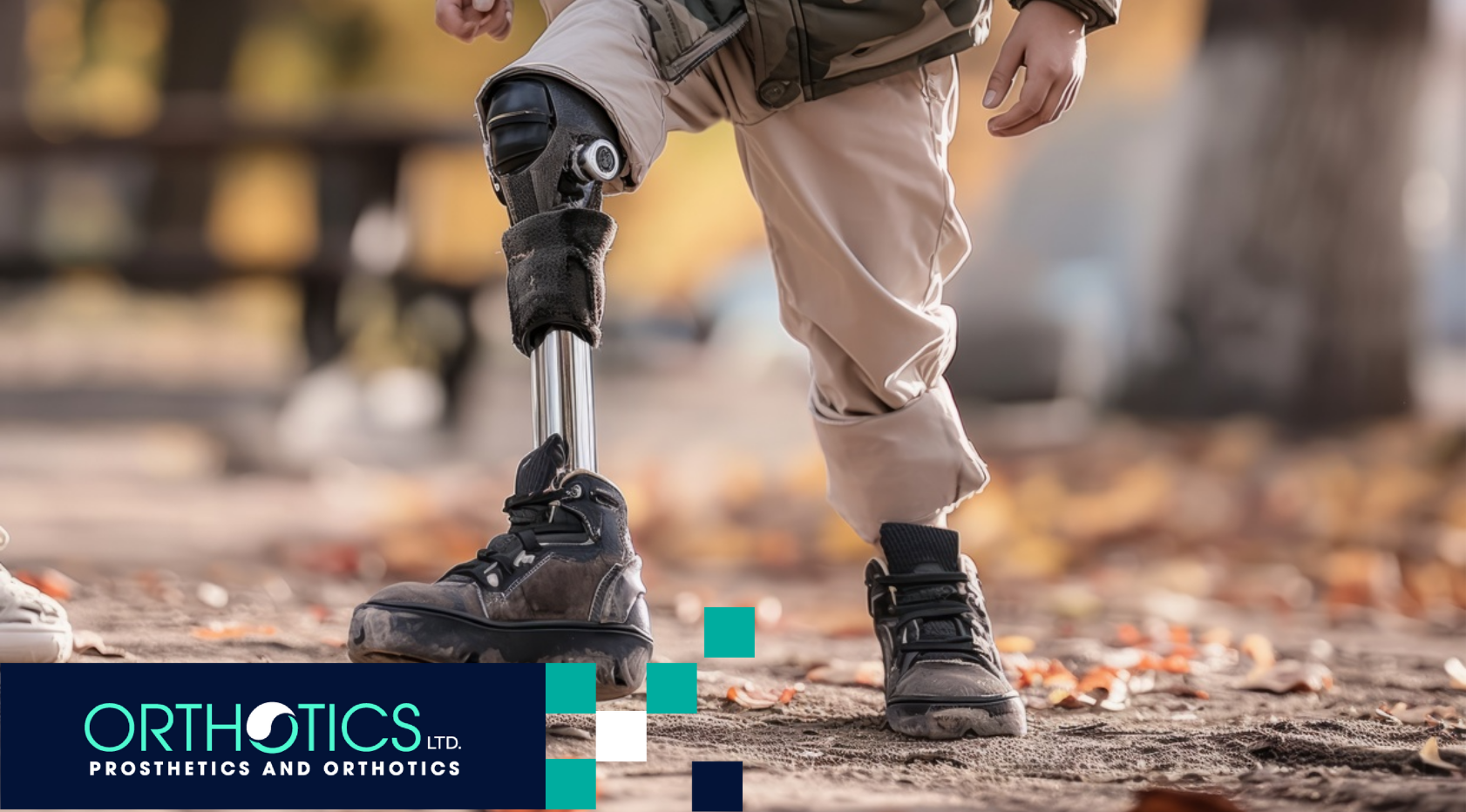
For children using prosthetic limbs, developing body awareness—the understanding of where their body is in space and how it moves—is essential for independence, safety, and confidence. Prosthetics provide the physical support, but building awareness involves a combination of therapy, practice, play, and emotional encouragement.
Children may face unique challenges as they adjust to a prosthetic, such as changes in balance, altered gait, or difficulty judging distances. Helping them develop body awareness early on can significantly improve mobility, reduce frustration, and encourage them to participate fully in everyday activities.
This guide explores practical strategies, exercises, and insights for helping children build body awareness with prosthetics.
Understanding Body Awareness in Children
Body awareness, or proprioception, is the ability to sense the position, movement, and orientation of the body without relying solely on vision. For children with prosthetics, this involves learning to:
- Gauge limb position and movement
- Coordinate the prosthetic with natural limbs
- Adjust posture and balance dynamically
- Navigate different environments safely
Developing strong body awareness supports walking, running, climbing, and playing, and can prevent injuries caused by missteps or falls.
The Role of Prosthetics in Body Awareness
A well-fitted prosthetic provides a foundation for children to develop proprioception. Key factors include:
- Socket fit: Comfort is critical. Discomfort or slipping can make movement awkward, limiting confidence.
- Alignment and function: Properly aligned joints and responsive components help children feel more connected to their prosthetic.
- Weight and flexibility: Lightweight, adaptive materials reduce strain and make movement more natural.
The prosthetic is more than a replacement limb—it’s a tool that enables children to practice controlled, coordinated movements and build confidence in their abilities.
3. Therapy and Exercise Strategies
Therapy plays a central role in helping children integrate prosthetics into their body awareness.
Physical Therapy Approaches
- Balance exercises: Standing on uneven surfaces, using balance boards, or walking on a line helps children feel how their body moves with the prosthetic.
- Strengthening exercises: Targeting core, hip, and residual limb muscles improves stability and control.
- Gait training: Structured practice in walking, running, and turning teaches coordination between prosthetic and natural limbs.
Occupational Therapy Approaches
- Functional activities: Daily tasks like dressing, reaching, or playing with toys encourage natural movement.
- Sensory integration: Activities that combine touch, movement, and vision help children process how their body interacts with their environment.
4. Play-Based Learning
Play is one of the most effective ways for children to develop body awareness. By incorporating fun activities, children naturally explore balance, coordination, and limb control:
- Obstacle courses: Crawling under or stepping over objects improves spatial awareness and movement planning.
- Ball games: Catching, throwing, or kicking balls enhances coordination, timing, and reaction skills.
- Dance and movement games: Encourage rhythm, posture, and multi-limb coordination.
- Interactive video games or motion-based activities: Provide visual feedback that reinforces body positioning and movement control.
Tip: Encourage regular, short play sessions rather than long, structured therapy periods to keep children motivated and engaged.
5. Gradual Skill Development
Children progress at different rates, so a gradual approach is essential:
- Start simple: Begin with basic balance and movement exercises in safe, controlled settings.
- Increase complexity: Add multi-step movements, uneven surfaces, or fast-paced games as confidence improves.
- Incorporate daily routines: Walking to school, climbing stairs, or participating in sports reinforces skills learned in therapy.
- Monitor progress: Track improvements in balance, coordination, and comfort with the prosthetic.
Sample Progressive Activities for Body Awareness
| Stage | Activities | Goals |
|---|---|---|
| Beginner | Standing on foam pads, walking on flat surfaces | Basic balance, weight shift awareness |
| Intermediate | Obstacle courses, ball games | Coordination, limb control, confidence |
| Advanced | Running, dancing, and playground activities | Dynamic balance, multi-limb coordination, and real-world application |
6. Emotional Support and Motivation
Adjusting to a prosthetic can be challenging emotionally. Encouragement, positive reinforcement, and celebrating small achievements help children stay motivated:
- Positive reinforcement: Praise effort, not just outcomes.
- Peer interaction: Group activities or social play promote confidence.
- Visual progress tracking: Stickers or charts showing milestones encourage engagement.
- Open communication: Listening to concerns and adjusting routines or prosthetic settings as needed reduces frustration.
Emotional support ensures children approach movement with curiosity and confidence, reinforcing body awareness development.
7. Monitoring and Ongoing Adjustments
As children grow, prosthetics and therapy plans must evolve:
- Limb growth: Socket adjustments or replacements may be necessary to maintain proper fit.
- Activity changes: New sports, school activities, or hobbies may require prosthetic modifications.
- Skill reassessment: Regular evaluations by therapists ensure exercises remain challenging yet achievable.
Consistent monitoring ensures children continue developing body awareness without discomfort or setbacks.
Final Thoughts
Helping children build body awareness with prosthetics is a multi-faceted process. Proper fit, targeted therapy, play-based learning, emotional support, and ongoing adjustments all contribute to a child feeling confident and capable. When children develop strong body awareness, they gain not just physical skills but independence, confidence, and the joy of movement.
For families seeking professional guidance and personalized prosthetic solutions, Orthotics Ltd. offers expert fittings, therapy support, and long-term monitoring to help children thrive physically, emotionally, and socially. Reach out today!
Frequently Asked Questions
1. How long does it take for children to develop body awareness with a prosthetic?
It varies by child, but most see gradual improvements within a few months, with continued development over years as skills and confidence grow.
2. Can play really help improve body awareness?
Yes. Play-based activities engage children naturally, encouraging movement exploration, balance, and coordination in a fun way.
3. How often should a prosthetic be adjusted for a growing child?
Children should have prosthetic check-ins every 3–6 months, or sooner if there is discomfort, growth changes, or activity level adjustments.
4. Is physical therapy necessary for all children with prosthetics?
While not mandatory, therapy greatly accelerates adaptation, strength, and coordination, ensuring safe and confident movement.
5. How can parents support their child at home?
Incorporate short, playful activities, provide positive reinforcement, track progress visually, and maintain open communication with therapists and prosthetists.
Sources:
- https://www.webmd.com/brain/what-is-proprioception
- https://www.sciencedirect.com/science/article/pii/S2768276524003031
- https://science.howstuffworks.com/prosthetic-limb4.htm
- https://pmc.ncbi.nlm.nih.gov/articles/PMC12304673/
