

Home Prosthetic Visit Benefits: 5 Reasons to Choose One
Key Highlights
- A home prosthetic visit offers convenience, comfort, and personalized care in your own environment.
- In-home evaluations help prosthetists assess real-world mobility challenges.
- Home visits are ideal for patients with limited mobility, transportation barriers, or medical complexity.
- Prosthetic adjustments made at home can improve fit, safety, and daily function.
- In-home care supports better long-term outcomes and continuity of prosthetic care.
For many prosthetic users, clinic visits are a routine part of care. But traveling to appointments isn’t always easy—or necessary. In recent years, home prosthetic visits have become an increasingly valuable option for individuals who want high-quality care without leaving their homes.
Whether you’re recovering from surgery, managing mobility challenges, or simply seeking a more personalized experience, in-home prosthetic care can offer meaningful benefits. Below, we explore five key reasons why a home prosthetic visit might be the best option for you.
What Is a Home Prosthetic Visit?
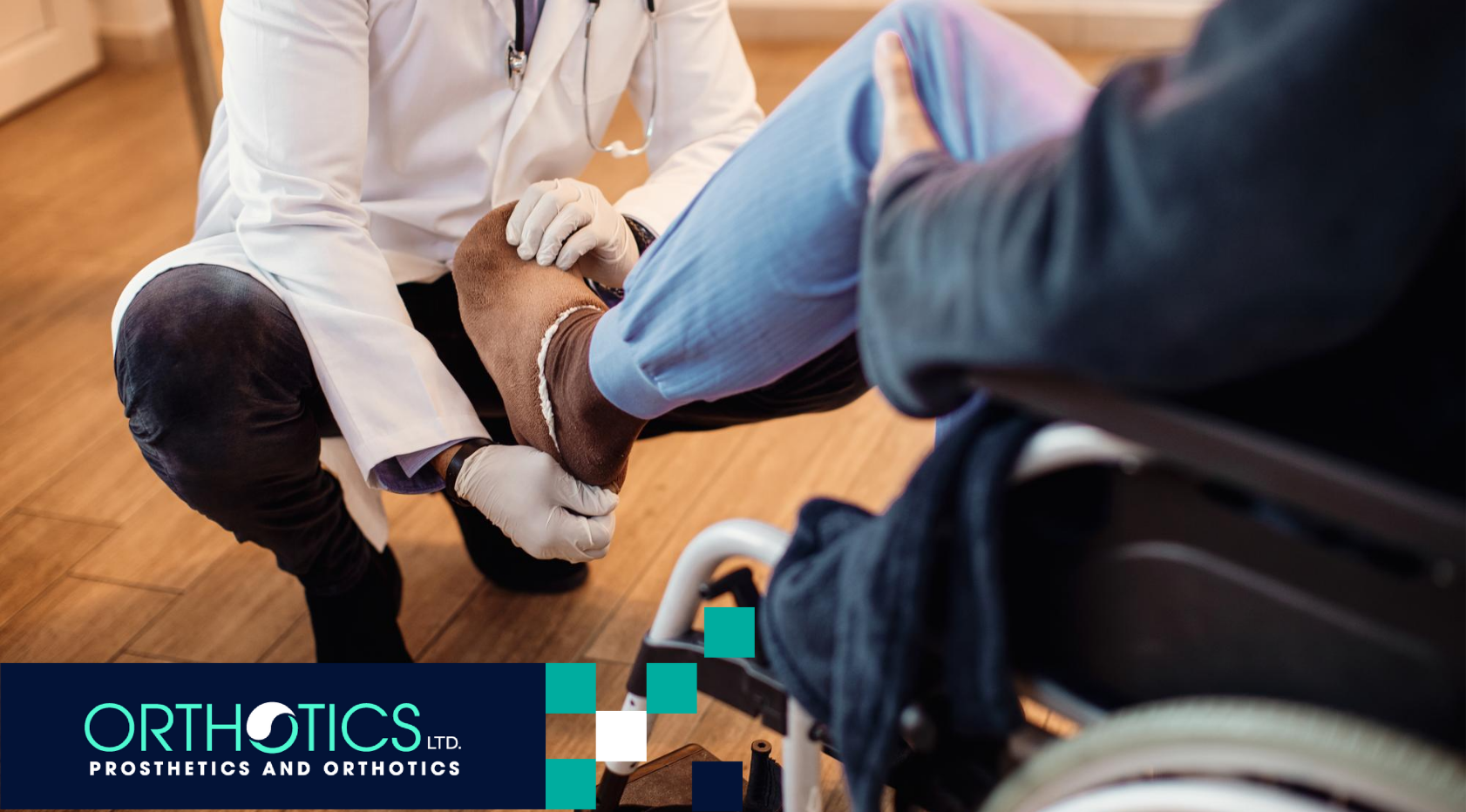
A home prosthetic visit involves a licensed prosthetist traveling to a patient’s home to provide evaluation, fitting, adjustments, follow-up care, or education. While not every service can be performed outside a clinic, many essential aspects of prosthetic care can be effectively addressed in a home setting.
Common services provided during home visits include:
- Prosthetic fit assessments
- Socket adjustments
- Suspension system checks
- Functional gait observations
- Troubleshooting discomfort or instability
- Patient and caregiver education
5 Reasons for a Home Prosthetic Visit
Reason #1: Greater Comfort and Reduced Stress
Why Comfort Matters in Prosthetic Care
Prosthetic appointments can be physically and emotionally demanding—especially for new amputees or those experiencing pain, swelling, or fatigue. Traveling to a clinic may involve long drives, navigating parking, or using public transportation, all of which can add stress before care even begins.
A home prosthetic visit removes these barriers by allowing you to receive care in a familiar, comfortable environment.
Benefits of In-Home Comfort
- No need to travel while in pain or discomfort
- Reduced anxiety, especially for new prosthetic users
- Easier communication in a relaxed setting
- Better focus during fittings and education
When patients are comfortable, they are more likely to provide accurate feedback—leading to better prosthetic outcomes.
Reason #2: Ideal for Limited Mobility or Medical Conditions
When Travel Isn’t Practical
Many prosthetic users face challenges that make clinic visits difficult, including:
- Recent surgery or wound healing
- Balance issues or fall risk
- Use of mobility aids
- Chronic illness or fatigue
- Temporary illness or recovery
In these cases, traveling may pose unnecessary risk or delay needed care.
How Home Visits Help
A home prosthetic visit ensures continuity of care without compromising safety. It allows patients to:
- Receive timely adjustments
- Avoid missed appointments
- Prevent small issues from becoming major problems
For individuals with complex medical needs, in-home care can be a practical and compassionate solution.
Reason #3: Real-World Assessment in Your Daily Environment
Why Environment Matters
Clinic settings are controlled and predictable—but real life isn’t. Floors, stairs, furniture, and outdoor surfaces all affect how a prosthesis performs during daily activities.
One of the biggest advantages of a home prosthetic visit is the ability to evaluate your prosthesis in the environment where you actually live.
What Prosthetists Can Observe at Home
- How you navigate stairs or ramps
- Transfers from bed, chair, or sofa
- Walking on different floor surfaces
- Use of a prosthesis in the bathroom or kitchen
- Safety concerns or fall risks
This real-world insight allows for more precise adjustments and functional recommendations that may not be apparent in a clinic.
Reason #4: Personalized, One-on-One Attention
A More Individualized Experience
In a busy clinic, appointments often run on tight schedules. At home, prosthetic visits tend to be more focused and personalized, allowing prosthetists to dedicate time to your specific needs.
Benefits of Personalized Care
- More time for questions and education
- Detailed review of donning and doffing techniques
- Improved understanding of socket fit and suspension
- Better caregiver involvement, when applicable
This level of individualized attention can be especially valuable for:
- First-time prosthetic users
- Elderly patients
- Patients with cognitive or sensory challenges
Reason #5: Faster Intervention and Ongoing Support
Preventing Small Issues from Becoming Big Problems
Discomfort, looseness, or alignment issues can escalate quickly if left unaddressed. Home prosthetic visits make it easier to receive timely care—especially for follow-ups or minor adjustments.
How Home Visits Support Better Outcomes
- Faster response to pain or fitting issues
- Reduced risk of skin breakdown
- Fewer emergencies
- Improved confidence in daily use
By bringing care directly to the patient, home visits help maintain consistency and long-term prosthetic success.
Home Prosthetic Visits vs. Clinic Visits
| Feature | Home Prosthetic Visit | Clinic Visit |
|---|---|---|
| Travel required | No | Yes |
| Real-world assessment | Yes | Limited |
| Comfort level | High | Variable |
| Access to full lab equipment | Limited | Full |
| Ideal for mobility-limited patients | Yes | Not always |
Both options play an important role in prosthetic care, and many patients benefit from a combination of clinic and home visits depending on their needs.
Who Benefits Most from a Home Prosthetic Visit?
A home prosthetic visit may be especially helpful for:
- New amputees adjusting to a prosthesis
- Seniors or individuals with balance concerns
- Patients recovering from surgery or illness
- Individuals with transportation limitations
- Caregivers seeking in-home education and support
While not every situation requires in-home care, many patients find it to be a convenient and effective alternative.
Preparing for a Home Prosthetic Visit
To get the most out of your visit:
- Wear or have access to your prosthesis and liners
- Note any pain points or concerns in advance
- Be prepared to demonstrate daily activities
- Involve caregivers or family members if needed
- Have questions ready about fit, comfort, or maintenance
Preparation helps ensure a productive and efficient visit.
Final Thoughts
Choosing how and where you receive prosthetic care is a personal decision. For many patients, a home prosthetic visit offers unmatched convenience, comfort, and personalized attention—without sacrificing quality. If you’re interested in exploring in-home prosthetic services or want to learn whether this option is right for you, Orthotics Ltd. offers professional, patient-focused care designed to meet you where you are—literally and figuratively. Contact us today!
FAQs About Home Prosthetic Visits
1. Are home prosthetic visits as effective as clinic visits?
Yes, for many evaluations and adjustments. Some advanced fabrication requires clinic equipment, but home visits are highly effective for follow-ups and functional assessments.
2. Can adjustments be made during a home visit?
Many minor to moderate adjustments can be performed on-site. More complex changes may require a clinic appointment.
3. Who qualifies for a home prosthetic visit?
Patients with mobility challenges, medical needs, or transportation barriers are often ideal candidates, but availability may vary.
4. Will insurance cover a home prosthetic visit?
Coverage depends on your insurance plan and medical necessity. It’s best to verify with your provider.
5. How long does a home prosthetic visit usually take?
Most visits last between 45 minutes and 1.5 hours, depending on the services provided.
Sources:
- https://magazine.medlineplus.gov/article/how-a-prosthetic-ankle-improves-balance-control
- https://www.sciencedirect.com/science/article/pii/S0966636222006178
- https://www.researchgate.net/profile/Christopher-Wong-8/publication/273784118_Role_of_balance_ability_and_confidence_in_prosthetic_use_for_mobility_of_people_with_lower-limb_loss/links/586bd51408aebf17d3a5af6f/Role-of-balance-ability-and-confidence-in-prosthetic-use-for-mobility-of-people-with-lower-limb-loss.pdf
- https://www.sciencedirect.com/topics/medicine-and-dentistry/prosthetic-alignment
- https://pmc.ncbi.nlm.nih.gov/articles/PMC10896576/
