
Signs It’s Time to See an Orthotist

Key Highlights
- Persistent foot, ankle, knee, or back pain may indicate the need to see an orthotist.
- Frequent instability, falls, or balance problems should not be ignored.
- Changes in walking patterns or posture can signal alignment issues.
- Diabetic foot concerns require early orthotic evaluation.
- Early intervention often prevents more serious complications.
Many people assume that pain, stiffness, or balance problems are simply part of aging or an active lifestyle. While occasional discomfort can be normal, ongoing issues may signal something more significant.
Knowing the signs that it’s time to see an orthotist can help prevent worsening symptoms, reduce pain, and restore mobility. Orthotists are healthcare professionals trained to assess movement, alignment, and biomechanics, and to design supportive devices that improve function and comfort.
If you’re unsure whether your symptoms warrant professional evaluation, this guide will help you identify when it’s time to take the next step.
What Does an Orthotist Do?
An orthotist specializes in designing and fitting orthotic devices—custom braces and supports that:
- Improve alignment
- Reduce strain
- Relieve pain
- Enhance stability
- Prevent injury progression
Orthotic devices can support various parts of the body, including:
- Feet
- Ankles
- Knees
- Hips
- Spine
- Wrists and hands
Seeing an orthotist does not always mean you need a permanent brace. Sometimes, small adjustments or temporary support can significantly improve symptoms.
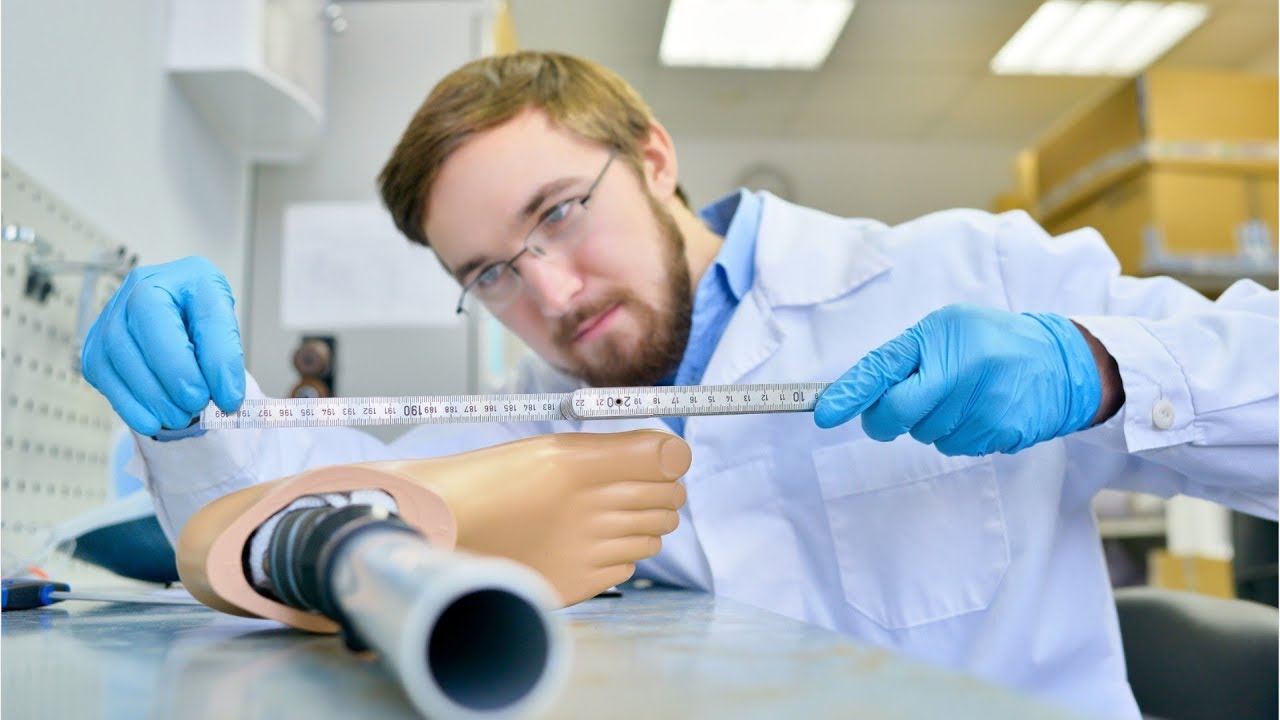
Reasons Why You Need to See An Orthotist
1. Persistent Foot Pain
Foot pain is one of the most common signs that it’s time to see an orthotist.
You may benefit from evaluation if you experience:
- Heel pain (often linked to plantar fasciitis)
- Arch pain
- Ball-of-foot discomfort
- Pain that worsens after standing or walking
- Morning stiffness in the feet
Foot mechanics affect the entire body. Poor alignment in the feet can lead to knee, hip, and back pain over time.
Custom orthotics can:
- Redistribute pressure
- Improve arch support
- Absorb shock
- Correct biomechanical imbalances
Ignoring chronic foot pain may lead to long-term structural changes.
2. Frequent Ankle Sprains or Instability
If your ankle feels weak, wobbly, or unstable, it may indicate ligament laxity or alignment problems.
Warning signs include:
- Repeated ankle sprains
- Difficulty walking on uneven surfaces
- Feeling like your ankle may “give out”
- Swelling after mild activity
An ankle-foot orthosis (AFO) or supportive brace can stabilize the joint and reduce injury risk.
Early stabilization can prevent chronic instability.
3. Knee Pain That Won’t Improve
Knee pain may stem from:
- Osteoarthritis
- Patellar tracking issues
- Ligament strain
- Alignment abnormalities
Signs it’s time to see an orthotist include:
- Pain when climbing stairs
- Swelling after activity
- Clicking or grinding sensations
- Difficulty standing for long periods
A properly fitted knee brace or foot orthotic may improve joint alignment and reduce pressure on painful areas.
4. Lower Back Pain Linked to Posture
Your feet and spine are connected through your body’s kinetic chain. Misalignment in one area often affects another.
Consider seeing an orthotist if you experience:
- Chronic lower back pain
- Poor posture
- Uneven shoulder height
- Pelvic tilt
Orthotics may improve alignment from the ground up, reducing strain on the spine.
5. Changes in Your Walking Pattern
A noticeable shift in how you walk should not be ignored.
Watch for:
- Limping
- Dragging a foot
- Uneven shoe wear
- Shortened stride
- Toe walking
These changes may indicate:
- Muscle weakness
- Nerve conditions
- Structural imbalances
An orthotist can evaluate gait patterns and recommend supportive solutions.
6. Diabetic Foot Concerns
For individuals with diabetes, even minor foot issues can escalate quickly.
Seek evaluation if you notice:
- Numbness or tingling
- Pressure points
- Calluses
- Foot ulcers
- Decreased sensation
Custom diabetic orthotics reduce pressure and lower the risk of complications.
Early care can prevent serious outcomes.
7. Recovery After Injury or Surgery
Post-injury instability or post-surgical healing may require additional support.
Examples include:
- ACL reconstruction
- Fractures
- Tendon repairs
- Stroke recovery
Orthotic devices provide controlled support while tissues heal.
Your physician may recommend orthotic evaluation during rehabilitation.
8. Neurological Conditions Affecting Mobility
Certain neurological conditions impact balance and muscle control.
These include:
- Multiple sclerosis
- Stroke
- Cerebral palsy
- Parkinson’s disease
If mobility becomes difficult or unsafe, an orthotist can recommend bracing solutions to improve stability and reduce fall risk.
9. Uneven Shoe Wear
Your shoes tell a story about your biomechanics.
Uneven wear patterns may indicate:
- Overpronation
- Supination
- Limb length discrepancy
- Alignment imbalance
If one shoe consistently wears down faster, it’s worth scheduling an evaluation.
10. Fatigue During Normal Activities
If standing or walking leaves you unusually tired, poor biomechanics may be the cause.
Orthotics can:
- Improve energy efficiency
- Reduce muscle overcompensation
- Enhance overall endurance
Small alignment changes can produce significant improvements in comfort.
Common Symptoms and Possible Orthotic Solutions
| Symptom | Possible Cause | Orthotic Support |
|---|---|---|
| Heel pain | Plantar fasciitis | Custom foot orthotics |
| Knee instability | Ligament weakness | Knee brace |
| Foot drop | Nerve damage | Ankle-foot orthosis |
| Back pain | Poor alignment | Custom orthotics |
| Diabetic ulcers | Pressure points | Diabetic insoles |
This table highlights how targeted support can address specific concerns.
Why Early Evaluation Matters
Delaying treatment can lead to:
- Worsening pain
- Joint degeneration
- Muscle imbalance
- Increased fall risk
- Reduced mobility
Early intervention is often simpler and more effective than treating advanced problems.
What to Expect During an Orthotic Evaluation
If you decide to see an orthotist, the process typically includes:
- Medical history review
- Physical examination
- Gait analysis
- Measurement and casting (if a custom device is needed)
- Fitting and follow-up adjustments
The goal is to create a solution tailored to your lifestyle and activity level.
Children and Orthotic Warning Signs
Parents should consider evaluation if a child has:
- Frequent tripping
- Flat feet with pain
- Toe walking beyond the early toddler years
- Leg length differences
- Developmental walking delays
Early support can improve long-term outcomes.
Seniors and Fall Prevention
For older adults, instability is a major concern.
Signs include:
- Fear of falling
- Shuffling gait
- Weak ankles
- Recurrent falls
Orthotic devices can enhance balance and confidence.
Athletes and Overuse Injuries
Active individuals may notice:
- Shin splints
- Stress fractures
- Achilles tendon pain
- Chronic knee discomfort
Sports orthotics help optimize alignment and reduce repetitive strain.
When Symptoms Require Immediate Attention
Seek prompt evaluation if you experience:
- Sudden severe pain
- Loss of mobility
- Open wounds on the feet
- Rapid swelling
- Signs of infection
Early professional care prevents complications.
Final Thoughts
Recognizing the signs that it’s time to see an orthotist can make a meaningful difference in your comfort, safety, and quality of life. Pain, instability, and mobility changes are not issues you have to live with.
For personalized assessments, expert fittings, and custom orthotic solutions designed to support your unique needs, Orthotics Ltd. provides professional care to help you move with confidence and comfort every day. Reach out today!
Frequently Asked Questions
1. Do I need a referral to see an orthotist?
In many cases, no referral is required, but insurance plans may differ. Check with your provider.
2. Are custom orthotics better than over-the-counter inserts?
Custom orthotics are tailored to your specific anatomy and biomechanics, often providing more precise support.
3. How long do orthotic devices last?
Most orthotics last 1–5 years, depending on usage and material. Children and highly active individuals may need replacements sooner.
4. Is mild foot pain normal?
Occasional discomfort can happen, but persistent or worsening pain should be evaluated.
5. Can orthotics prevent surgery?
In some cases, yes. Early orthotic intervention may reduce strain and delay or eliminate the need for surgical procedures.
Sources:
- https://www.ummhealth.org/health-library/orthotist-and-prosthetist
- https://infootandankle.com/blog/orthotics
- https://www.health.harvard.edu/staying-healthy/dont-forget-your-feet
- https://www.webmd.com/a-to-z-guides/what-is-ligamentous-laxity
- https://www.physio-pedia.com/Introduction_to_Ankle_Foot_Orthoses
