

Choosing the Right Prosthetic for Your Lifestyle
Key Highlights
- Choosing the right prosthetic depends on your lifestyle, activity level, and personal goals.
- Different types of prosthetics (mechanical, microprocessor, cosmetic) cater to varied functional needs.
- Material, weight, and comfort are critical factors in selecting a prosthetic.
- Proper fitting, ongoing adjustments, and rehabilitation significantly impact mobility outcomes.
- Real-life case studies show the importance of aligning prosthetic choice with lifestyle demands.
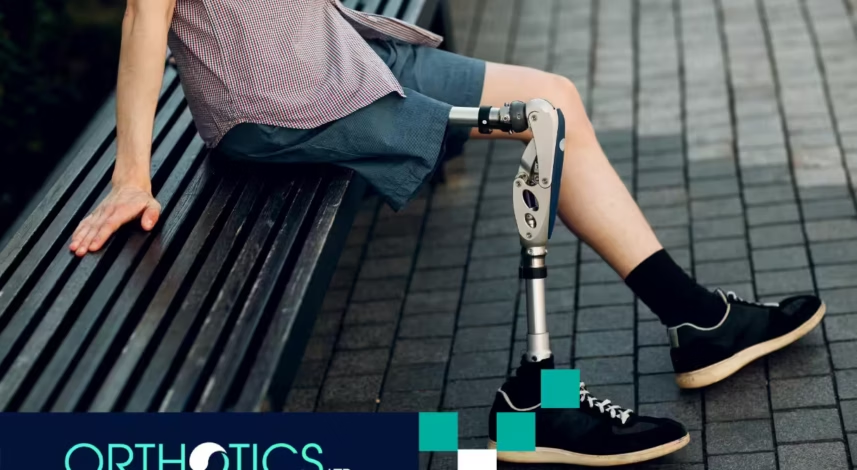
Losing a limb or living with limb differences is a life-altering experience, but modern prosthetics can restore mobility, independence, and confidence. Choosing the right prosthetic is not just about replacing a limb; it’s about finding a device that fits your lifestyle, supports your goals, and maximizes your quality of life.
Whether you’re an athlete aiming to run marathons or someone seeking a functional daily-use prosthetic, selecting the right solution requires careful consideration of your needs, the type of prosthetic, and the support available during rehabilitation.
Understanding Your Lifestyle Needs
The first step in choosing a prosthetic is to consider your day-to-day activities. Ask yourself:
- How active am I?
- What type of work or hobbies do I engage in?
- Do I need a prosthetic primarily for mobility, aesthetics, or both?
Case Study: From Office to Outdoors
One patient, John, a 34-year-old office worker and weekend hiker, initially received a basic mechanical prosthetic. While sufficient for daily use, he struggled with uneven terrain during hiking trips. After consulting his prosthetist, he transitioned to a lightweight, energy-storing prosthetic foot designed for outdoor activity. In sessions following the upgrade, John reported improved stability and comfort, allowing him to hike safely and confidently.
This example highlights that lifestyle-specific requirements should guide prosthetic selection—not just medical necessity.
Types of Prosthetics
Understanding the types of prosthetics can help narrow choices. Here’s a breakdown:
| Type | Features | Best For | Example Use Case |
|---|---|---|---|
| Mechanical / Body-Powered | Operated by cables and harnesses, simple design | Daily use, basic mobility | Typing, walking on level surfaces |
| Externally Powered / Myoelectric | Uses muscle signals to control movement | Functional hand/arm tasks | Picking up objects, using tools |
| Microprocessor-Leg Prosthetics | Computer-controlled knee or ankle movement | Active individuals, uneven terrain | Hiking, running, stairs |
| Cosmetic / Passive Prosthetics | Focused on appearance rather than function | Social settings, self-esteem | Social events, photography |
| Sports-Specific Prosthetics | Customized for high-impact activities | Athletes | Running, swimming, cycling |
Real-World Insight
In our clinic, we’ve seen that patients who combine multiple prosthetic types—like a functional leg for daily mobility and a specialized running blade for exercise—often report the highest satisfaction and quality of life. Flexibility and customization matter.
Material, Weight, and Comfort Considerations
Modern prosthetics come in a variety of materials, including carbon fiber, titanium, and lightweight plastics. Material choice affects durability, weight, and responsiveness:
- Carbon fiber: Lightweight, strong, energy-efficient, ideal for active users.
- Titanium: Extremely durable, slightly heavier, suitable for high-impact activities.
- Plastics/composites: Affordable, customizable, generally used for cosmetic prosthetics.
Comfort is equally critical. Socket design—the part of the prosthetic that interfaces with your residual limb—can make or break the daily experience. A poorly fitting socket can cause skin irritation, pressure sores, and fatigue.
Example from Practice
In our sessions, we worked with a patient, Maria, who experienced discomfort from a standard socket. After switching to a custom-molded silicone socket with targeted pressure relief areas, her walking endurance increased, and she could wear her prosthetic comfortably for extended periods.
Fitting and Rehabilitation
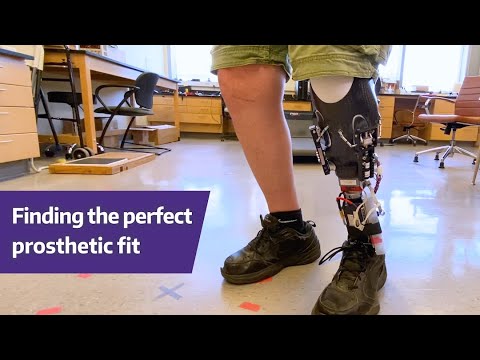
Even the most advanced prosthetic is ineffective without proper fitting and rehabilitation. Initial fitting involves careful measurement, adjustment, and patient education. Follow-up sessions allow prosthetists to fine-tune alignment, monitor limb health, and make iterative changes based on the patient’s feedback and activity.
Case Study: Adaptive Progress
James, a young athlete recovering from a below-knee amputation, was provided with a microprocessor-controlled prosthetic leg. During rehabilitation, his prosthetist adjusted the hydraulic knee for optimal swing and stance phases. Within three months, James returned to running, reporting improved balance and confidence. This illustrates how fitting and ongoing rehabilitation are as important as prosthetic selection itself.
Functional Goals vs. Aesthetic Goals
Choosing a prosthetic often involves balancing function with appearance.
- Functional priority: If your main goal is mobility, balance, or athletic performance, focus on advanced mechanical or powered devices.
- Aesthetic priority: If your priority is appearance or social integration, cosmetic prosthetics may be sufficient.
Advanced Prosthetic Features
Technological advances have expanded options for prosthetic users. Features to consider include:
- Myoelectric controls: For intuitive hand and arm movement.
- Energy-storing feet: For running or high-activity use.
- Adjustable alignment systems: For comfort across various activities.
- Waterproof designs: For swimming or aquatic therapy.
Selecting a device with features aligned to your lifestyle improves both function and satisfaction.
Costs and Insurance Considerations
Prosthetic costs vary widely depending on type, material, and technological sophistication.
- Basic mechanical limbs: $5,000–$10,000
- Myoelectric arms: $20,000–$50,000
- Microprocessor legs: $30,000–$70,000
Insurance may cover part or all of these costs, particularly for functional devices. Discuss coverage, rehabilitation, and replacement schedules with your provider early in the process.
Lifestyle Scenarios and Recommendations
| Lifestyle | Recommended Prosthetic Type | Key Considerations |
|---|---|---|
| Office worker | Mechanical or lightweight microprocessor leg | Comfort, daily mobility |
| Athlete | Sports-specific prosthetic or carbon fiber blade | Durability, energy return |
| Casual walker | Standard mechanical or cosmetic leg | Ease of use, aesthetics |
| Child | Growth-adjustable prosthetic | Frequent resizing, durability |
Maintenance and Long-Term Care
Proper care extends the lifespan of your prosthetic. Tips include:
- Daily cleaning of the socket and limb interface.
- Regular inspection for wear and tear.
- Scheduled adjustments with your prosthetist every 6–12 months.
- Monitoring for skin irritation or pain.
In our clinic, patients who follow structured maintenance plans report fewer complications and better long-term outcomes.
Psychological and Social Considerations
Choosing a prosthetic also has psychological implications. Self-esteem, social confidence, and comfort in public settings often improve when patients feel their prosthetic aligns with their lifestyle and personal goals. Peer support groups, counseling, and rehabilitation coaching can further enhance adjustment and satisfaction.
Moving Forward: Key Steps in Choosing the Right Prosthetic
- Assess your lifestyle and functional goals.
- Understand the types of prosthetics available.
- Consider material, weight, and comfort.
- Prioritize proper fitting and rehabilitation.
- Balance function with aesthetics.
- Explore advanced features based on activity needs.
- Understand costs, insurance, and long-term maintenance.
Choosing the right prosthetic is a collaborative process involving you, your prosthetist, and rehabilitation specialists. By carefully considering your lifestyle, activity goals, and comfort, you can select a prosthetic that enhances mobility, independence, and quality of life.
For personalized guidance and support, professionals at Orthotics Ltd. can help assess your needs, recommend suitable prosthetic options, and ensure ongoing care for optimal results. Contact us today!
Frequently Asked Questions
1. How do I know which type of prosthetic is right for me?
Your lifestyle, activity level, and functional goals guide the choice. Consulting a certified prosthetist ensures a tailored recommendation.
2. How often should my prosthetic be adjusted?
Typically, follow-ups occur every 6–12 months, but adjustments may be needed sooner based on activity level, growth (for children), or discomfort.
3. Can prosthetics be used for sports and high-impact activities?
Yes, there are sports-specific prosthetics designed for running, swimming, cycling, and other high-impact activities.
4. Are advanced prosthetics like myoelectric arms covered by insurance?
Coverage varies by provider and region. Many insurance plans cover functional prosthetics, but cosmetic-only devices may not be fully covered.
5. How do I care for my prosthetic?
Daily cleaning, regular inspection, and routine follow-ups with your prosthetist are essential for durability, comfort, and safety.
Sources:
- https://magazine.medlineplus.gov/article/prosthetics-through-the-ages
- https://www.healthdirect.gov.au/prostheses
- https://pmc.ncbi.nlm.nih.gov/articles/PMC1121287/
- https://pmc.ncbi.nlm.nih.gov/articles/PMC6664837/
- https://pmc.ncbi.nlm.nih.gov/articles/PMC7340716/
