

Advances in Prosthetics in 2026: Changing Lives, Improving Mobility
Key Highlights
- Modern prosthetics in 2026 incorporate cutting-edge technology for enhanced mobility and independence.
- Advancements include microprocessor-controlled limbs, AI-assisted prosthetics, and lightweight, durable materials.
- Real-life case studies demonstrate how prosthetics improve daily living, athletic performance, and social engagement.
- Proper fitting, training, and rehabilitation remain critical for maximizing outcomes.
- Emerging trends focus on personalization, accessibility, and integrating prosthetics with digital health technologies.
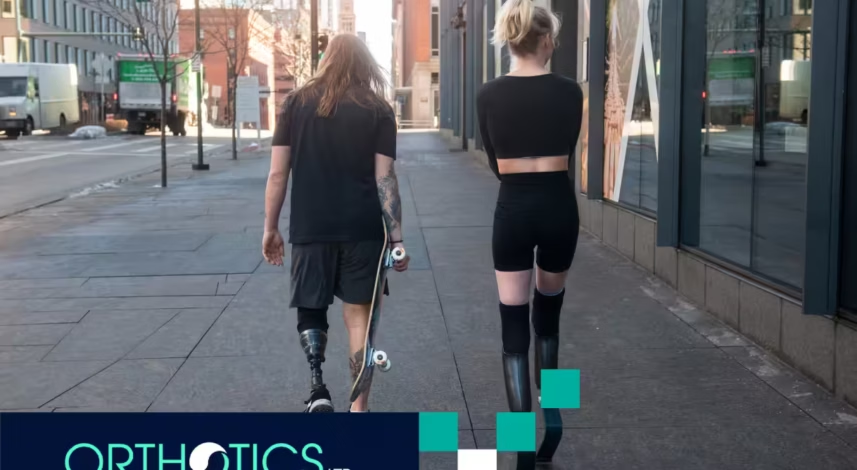
The field of prosthetics has seen unprecedented growth over the past decade. From basic mechanical devices to highly sophisticated, AI-assisted limbs, advances in technology are transforming the lives of individuals with limb loss. These innovations not only restore mobility but also enhance independence, confidence, and overall quality of life.
In 2026, prosthetics are no longer one-size-fits-all solutions. They are highly personalized tools designed to match individual lifestyles, activity levels, and functional goals. Understanding these advancements helps patients, caregivers, and healthcare providers make informed decisions about prosthetic care.
The Evolution of Prosthetic Technology
Prosthetic technology has evolved rapidly, moving from simple mechanical designs to highly adaptive, intelligent devices. Key developments include:
- Microprocessor-controlled knees and ankles: These devices adjust in real-time to changes in walking speed, terrain, and activity, improving stability and reducing falls.
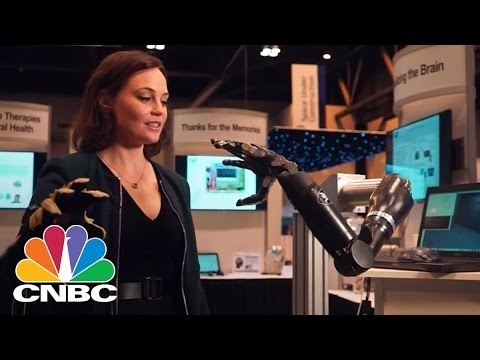
- Myoelectric arms and hands: Prosthetics that respond to electrical signals from residual muscles, allowing users to perform delicate tasks like gripping a pen or opening a jar.
- Lightweight materials: Carbon fiber, titanium, and advanced polymers provide strength, flexibility, and durability without adding excessive weight.
- AI and sensor integration: Sensors track gait, pressure, and movement patterns, enabling prosthetics to adapt dynamically and even connect to mobile apps for monitoring and training.
Case Study: Adaptive Microprocessor Knee
In our sessions with Mark, a 42-year-old below-knee amputee, a traditional mechanical knee limited his mobility, especially on stairs. After fitting a microprocessor-controlled prosthetic, he experienced smoother stair navigation and greater confidence in outdoor activities. Data collected from his prosthetic sensors showed improved gait symmetry within weeks.
This example underscores how technological advancements directly translate into measurable improvements in daily living.
Prosthetics and Lifestyle Integration
Modern prosthetics are designed not only for function but also for integration into diverse lifestyles. Selecting the right device depends on activity level, professional needs, and personal goals.
Lifestyle Categories and Recommended Technologies
| Lifestyle | Recommended Prosthetic Type | Benefits |
|---|---|---|
| Office worker | Lightweight microprocessor leg | Comfort, ease of mobility, minimal maintenance |
| Athlete | Carbon-fiber running blade | Energy return, shock absorption, endurance |
| Daily activities | Standard mechanical or myoelectric limb | Functional versatility, low learning curve |
| Social or cosmetic focus | Aesthetic prosthetic with cosmetic cover | Confidence, appearance, social integration |
Real-World Insight
In our practice, we’ve seen patients thrive when their prosthetic aligns with their daily routines. One patient, Sarah, combined a cosmetic prosthetic for work and a sports-specific limb for weekend cycling. This dual approach allowed her to maintain professionalism while staying active and healthy.
Rehabilitation and Fitting: The Cornerstones of Success
Even the most advanced prosthetic is only as effective as the fitting and rehabilitation process that accompanies it. Proper alignment, socket design, and muscle training are essential.
Importance of Fitting
- A well-fitted socket reduces skin irritation, discomfort, and fatigue.
- Customization allows for changes in limb volume and activity demands.
- Sensors and AI tools can provide real-time feedback to adjust alignment and gait.
Example from Practice
During rehabilitation, James, a below-elbow amputee, initially struggled to control his myoelectric hand. Through targeted training sessions, sensor feedback, and gradual muscle conditioning, he mastered tasks such as typing and cooking independently. By monitoring his progress with wearable tech, we could optimize settings for his day-to-day activities.
Impact on Physical Health
Prosthetics do more than restore mobility—they influence overall physical health:
- Reduced secondary injuries: Advanced limbs improve gait symmetry, reducing strain on hips, knees, and back.
- Increased cardiovascular fitness: Athletic prosthetics encourage physical activity, improving heart health.
- Enhanced independence: Functional devices reduce reliance on caregivers and promote active lifestyles.
Psychological and Social Benefits
The psychological impact of prosthetic advancements cannot be overstated. Users report:
- Higher self-esteem and confidence in social situations.
- Greater independence in daily tasks.
- Positive mental health outcomes from resuming hobbies, work, or sports.
Case Study: Social Engagement
In sessions with Emma, a 29-year-old above-knee amputee, a new prosthetic with cosmetic enhancements and microprocessor control improved her comfort in public settings. She began attending social events, participating in dance classes, and volunteering—activities she had previously avoided. This illustrates the profound social impact of combining function with aesthetics.
Cutting-Edge Features Transforming Prosthetics in 2026
- AI-Powered Gait Analysis: Tracks walking patterns and makes real-time adjustments.
- Smart Sensors: Monitor pressure, temperature, and limb alignment.
- Connected Devices: Data integrates with mobile apps for remote monitoring and rehabilitation support.
- 3D Printing: Allows rapid customization and replacement of components.
- Hybrid Prosthetics: Devices that combine functional and cosmetic features for dual-purpose use.
Material Innovations and Their Benefits
Materials directly affect comfort, durability, and usability:
- Carbon Fiber: Lightweight, flexible, high-energy return.
- Titanium: Durable, suitable for high-impact activities.
- Silicone and Polyurethane Liners: Enhance socket comfort and reduce skin irritation.
Example: In our sessions, patients using carbon-fiber feet reported less fatigue and longer daily walking ranges compared to traditional polypropylene feet.
Accessibility and Affordability Trends
While advanced prosthetics can be expensive, innovations in materials and manufacturing, including 3D printing, are gradually increasing accessibility. Insurance coverage is expanding for functional devices, particularly those improving mobility and independence.
The Future of Prosthetics: Personalization and Integration
Looking ahead, prosthetics in 2026 focus on:
- Personalized design: Tailored to individual anatomy, preferences, and goals.
- Digital health integration: AI-driven adjustments, remote monitoring, and therapy recommendations.
- Enhanced training programs: Virtual reality and gamified rehab sessions for better engagement.
- Sustainability: Eco-friendly materials and energy-efficient manufacturing.
These trends suggest a future where prosthetics are not just tools for mobility but integrated devices enhancing overall health, social participation, and life satisfaction.
Final Thoughts
Advancements in prosthetics in 2026 are transforming lives by:
- Combining cutting-edge technology with personalized solutions.
- Enhancing mobility, athletic performance, and social confidence.
- Improving physical health, independence, and psychological well-being.
- Offering accessible, adaptable, and smart devices for diverse lifestyles.
Individuals now have unprecedented options to regain functionality, pursue hobbies, and engage fully in personal and professional life. With the right combination of technology, fitting, and rehabilitation, prosthetics are not just replacements—they are life-changing tools.
For guidance on selecting and fitting advanced prosthetics, professionals at Orthotics Ltd. provide personalized assessments, cutting-edge options, and ongoing support to maximize mobility and quality of life. Reach out today!
Frequently Asked Questions
1. How are prosthetics in 2026 different from older models?
Modern prosthetics feature AI integration, microprocessor control, lightweight materials, and smart sensors, allowing more natural movement and better adaptation to daily activities.
2. Can prosthetics be customized for sports and hobbies?
Yes. Specialized prosthetics are designed for running, cycling, swimming, and other high-impact activities. Hybrid devices can support both function and aesthetics.
3. How important is rehabilitation with advanced prosthetics?
Rehabilitation is critical for optimal outcomes. Training sessions, sensor feedback, and gradual muscle conditioning ensure comfort, function, and independence.
4. Are advanced prosthetics covered by insurance?
Coverage varies, but functional prosthetics that enhance mobility and independence are often partially or fully covered. Cosmetic-only devices may have limited coverage.
5. How can I maintain my prosthetic for long-term use?
Routine cleaning, regular inspections, socket adjustments, and follow-up appointments with a prosthetist are essential for durability, comfort, and safety.
Sources:
- https://news.uchicago.edu/story/making-prosthetic-limbs-feel-more-real-brain-computer-interfaces
- https://pmc.ncbi.nlm.nih.gov/articles/PMC7340716/
- https://news.mit.edu/2024/prosthesis-helps-people-with-amputation-walk-naturally-0701
- https://pmc.ncbi.nlm.nih.gov/articles/PMC11325936/
- https://www.merckmanuals.com/home/special-subjects/limb-prosthetics/prosthesis-parts
