

Rigid or Flexible Orthotics: What’s the Difference?
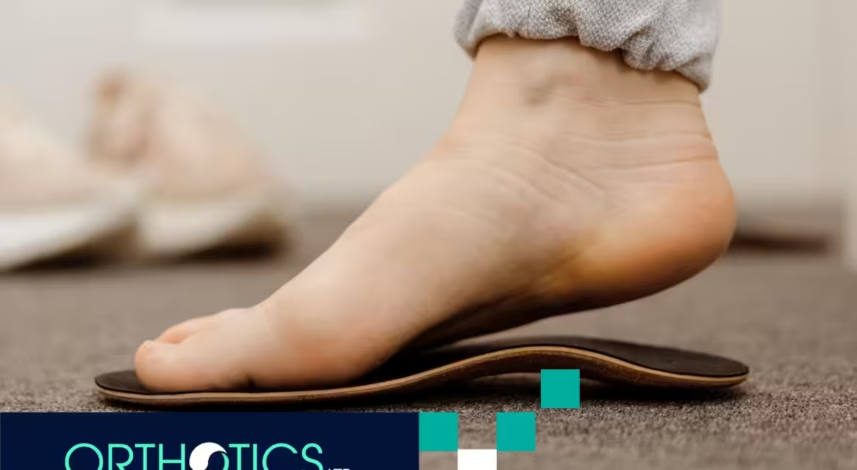
Orthotics are custom devices designed to support and improve foot function. Choosing between rigid and flexible orthotics depends on your needs and foot structure.
Rigid or Flexible Orthotics?
Rigid Orthotics
Made from firm materials like plastic or carbon fiber, rigid orthotics control motion and correct structural issues. They are ideal for managing conditions like plantar fasciitis, flat feet, or severe overpronation. Rigid orthotics provide strong support but may take time to get used to.
Flexible Orthotics
These are made from softer materials, offering cushioning and shock absorption. Flexible orthotics are best for mild foot pain, general comfort, or activities requiring more mobility. They allow natural foot movement while reducing pressure on sensitive areas.
How to Choose
Consult a podiatrist or orthotist. Your condition, activity level, and comfort preferences will determine the best option. Often, a combination of support and flexibility is recommended for long-term foot health.
At Orthotics Ltd., our experts design both rigid and flexible orthotics to match your lifestyle and provide the support your feet need.
Frequently Asked Questions
1. Can I switch between rigid and flexible orthotics?
Yes, depending on your activity and comfort, but always consult a professional first.
2. Do rigid orthotics hurt at first?
They may feel stiff initially, but gradual use usually resolves discomfort.
3. Which is better for sports?
Flexible orthotics are often preferred for high-mobility activities, while rigid orthotics suit corrective needs.
Sources:
- https://my.clevelandclinic.org/health/treatments/orthotics
- https://www.hss.edu/health-library/move-better/custom-orthotics-advice
