

Annual Prosthetic Checkups: Why They Matter
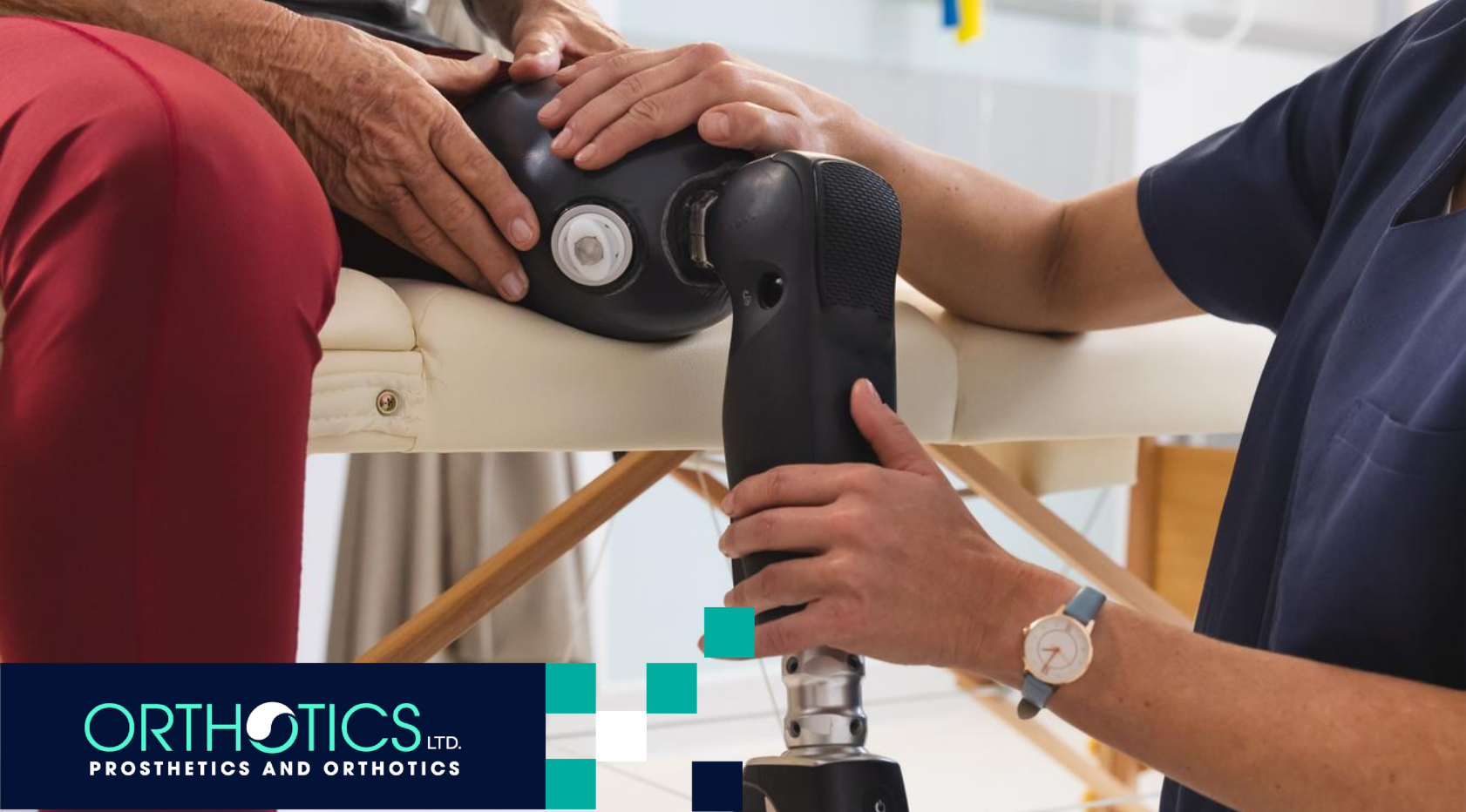
Key Highlights
- Annual prosthetic checkups ensure comfort, safety, and optimal function.
- Early identification of wear, alignment issues, or skin complications prevents long-term problems.
- Professional evaluations include socket fit, gait analysis, and component inspection.
- Regular checkups improve mobility, confidence, and independence for prosthetic users.
- Practical tips and real case examples show the importance of proactive prosthetic care.
Why Annual Prosthetic Checkups Matter
Lower limb and upper limb prosthetics are life-changing devices, offering mobility, independence, and improved quality of life. Yet, like any precision medical device, prosthetics require ongoing care and evaluation. Annual prosthetic checkups are essential to ensure these devices continue to provide optimal support and prevent complications that can affect the user’s health, safety, and activity levels.
This guide explores why annual checkups matter, what they involve, and real-world examples highlighting their importance. By understanding the value of routine evaluations, prosthetic users and caregivers can maintain comfort, functionality, and long-term satisfaction with their devices.
1. Ensuring Proper Fit
One of the most critical components of a prosthetic’s effectiveness is its fit. Over time, residual limbs can change due to:
- Weight fluctuations
- Muscle growth or atrophy
- Daily swelling or fluid shifts
Case Example: In our sessions, a patient with a below-knee prosthesis reported new knee pain. A checkup revealed the socket had loosened slightly due to limb volume changes. Adjusting the socket restored proper alignment and eliminated pain, demonstrating how fit evolves.
Professional Insight: “Even small changes in limb size can significantly impact socket comfort and gait. Annual checkups catch these issues before they cause injury.”
2. Detecting Wear and Tear
Prosthetic components endure daily stress and can wear out over time. Common issues include:
- Worn feet or knees affecting stability
- Cracked or weakened pylons
- Compressed liners or padding
- Loose screws or suspension systems
Typical Prosthetic Component Lifespan
| Component | Average Lifespan | Signs It Needs Attention |
|---|---|---|
| Prosthetic foot | 3–5 years | Uneven wear, wobbling, reduced shock absorption |
| Knee joint | 4–6 years | Instability, clicking, difficulty bending |
| Socket liners | 6–12 months | Flattening, odor, skin irritation |
| Suspension systems | 1–3 years | Loose fit, slipping, reduced control |
Case Example: A patient noticed increased wobbling after several months of use. Upon inspection, the prosthetic foot was worn unevenly. Replacing the foot restored stability and confidence in walking.
3. Maintaining Skin Health
Skin irritation, pressure sores, and rashes are common if prosthetics are ill-fitting or liners are worn. Annual checkups help identify:
- High-pressure areas causing redness or blisters
- Skin breakdown due to friction or moisture
- Signs of infection
Professional Insight: “We’ve seen cases where patients ignored minor redness, which later progressed to painful sores. Regular evaluations allow early intervention and prevent complications.”
Tip: Daily self-inspection complements professional checkups. Note redness, discomfort, or unusual marks for discussion during appointments.
4. Gait and Biomechanics Assessment
Even subtle misalignments in prosthetic devices can impact gait and posture. Checkups typically include:
- Walking on flat surfaces and inclines
- Assessing weight distribution
- Evaluating joint alignment and range of motion
Case Example: A patient with a transfemoral prosthesis experienced hip and back discomfort. Gait analysis revealed slight rotational misalignment. Adjusting the prosthetic alignment relieved pain and improved walking efficiency.
Professional Insight: “Annual gait assessments detect issues before they become chronic, protecting the musculoskeletal system over time.”
5. Preparing for Lifestyle Changes
Changes in activity level, weight, or health status can influence prosthetic performance. Checkups allow customization to accommodate:
- Increased physical activity or sports participation
- Weight loss or gain
- Recovery from surgery or new injuries
Case Example: A patient training for a marathon required different shock-absorbing components. Annual checkup discussions enabled timely upgrades, preventing overuse injuries and improving performance.
6. Educating Users and Caregivers
Annual checkups are also educational opportunities:
- Proper donning and doffing techniques
- Cleaning and hygiene best practices
- Adjusting liners or socks to maintain fit
- Recognizing early warning signs of complications
Professional Insight: “We’ve found that informed patients have higher prosthetic compliance and fewer emergency visits. Knowledge empowers users to address issues proactively.”
7. Cost-Effectiveness and Safety
Routine checkups prevent costly repairs, device replacements, and medical complications. Addressing minor issues early reduces the risk of:
- Skin ulcers requiring medical intervention
- Falls due to instability
- Joint or muscle injuries from compensatory movements
Tip: Incorporate annual checkups into healthcare plans and insurance coverage to maximize long-term safety and cost-effectiveness.
8. Key Steps for a Successful Annual Checkup
- Schedule ahead of time: Book appointments early to ensure availability.
- Bring relevant information: Include current liners, socks, or recent concerns.
- Prepare for gait assessment: Wear appropriate clothing and shoes.
- Discuss lifestyle changes: Mention activity levels, weight changes, or health issues.
- Follow professional recommendations: Implement adjustments, maintenance, or component replacements promptly.
Final Thoughts
Annual prosthetic checkups are a cornerstone of long-term mobility, comfort, and safety. They allow for proactive adjustments, early detection of complications, and user education, enhancing quality of life and confidence. For expert evaluations, personalized adjustments, and high-quality prosthetic care, Orthotics Ltd. offers comprehensive annual checkup services to keep your prosthetic performing at its best. Contact us today!
Frequently Asked Questions
1. How often should prosthetic users have checkups?
At a minimum, annually. More frequent evaluations may be needed for growing children, recent amputations, or high-activity users.
2. What happens during an annual prosthetic checkup?
Assessments typically include socket fit, gait analysis, component inspection, skin evaluation, and user education.
3. Can checkups prevent prosthetic-related injuries?
Yes. Early detection of alignment issues, wear, or skin problems reduces risk of falls, joint pain, and skin breakdown.
4. What should I bring to my checkup?
Bring your prosthetic device, current liners or socks, notes on discomfort, and any recent activity changes.
5. Will insurance cover annual checkups?
Coverage depends on your plan, but many insurers recognize annual prosthetic evaluations as medically necessary for safety and function.
Sources:
- https://www.merckmanuals.com/home/special-subjects/limb-prosthetics/prosthesis-parts
- https://pubmed.ncbi.nlm.nih.gov/18413115/
- https://pubmed.ncbi.nlm.nih.gov/35461047/
