
Knee Pain and Orthotic Support: Relief Solutions
Key Highlights
- Knee pain affects millions and can stem from injuries, arthritis, or overuse.
- Orthotic support can help reduce pain, improve alignment, and restore mobility.
- Customized knee braces and orthotics are more effective than off-the-shelf solutions.
- Early intervention prevents long-term joint damage and supports daily activities.
- Case studies show significant improvement in pain relief and function with orthotic use.
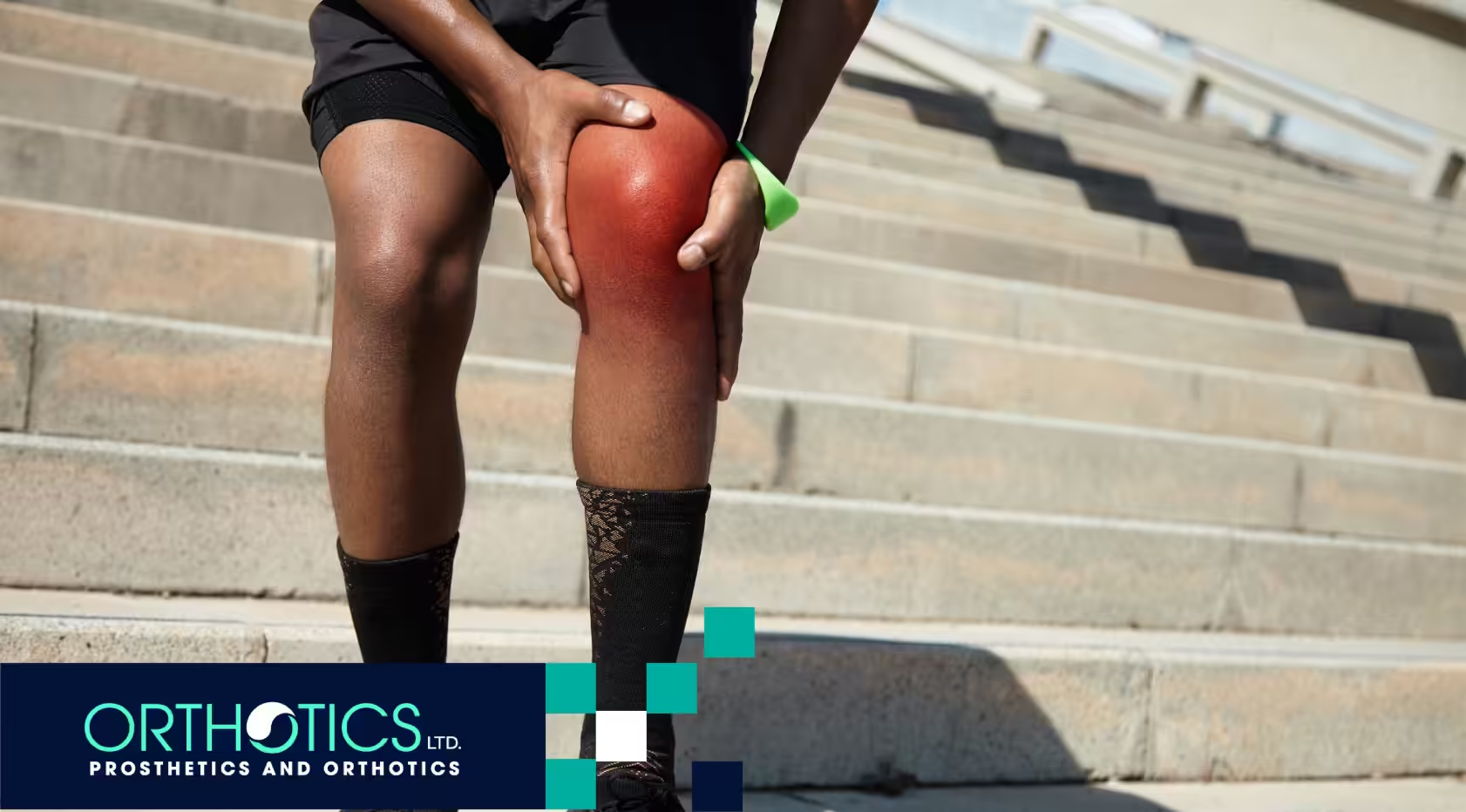
Knee pain is one of the most common musculoskeletal complaints, affecting people of all ages. Whether it’s due to injury, arthritis, overuse, or structural imbalances, it can significantly impact daily life. While exercise, physical therapy, and medication are common treatments, orthotic support is often overlooked—but it can play a crucial role in reducing pain, improving function, and preventing further damage.
Understanding Knee Pain
Knee pain can arise from various sources, including:
- Osteoarthritis: Degeneration of knee cartilage leading to pain and stiffness.
- Ligament injuries: Damage to ACL, MCL, or other ligaments affecting stability.
- Meniscus tears: Tears in the cartilage cause pain, swelling, and restricted movement.
- Patellofemoral pain syndrome: Pain around the kneecap due to misalignment or overuse.
- Overuse injuries: Common in athletes or individuals with physically demanding jobs.
Why Orthotic Support Matters
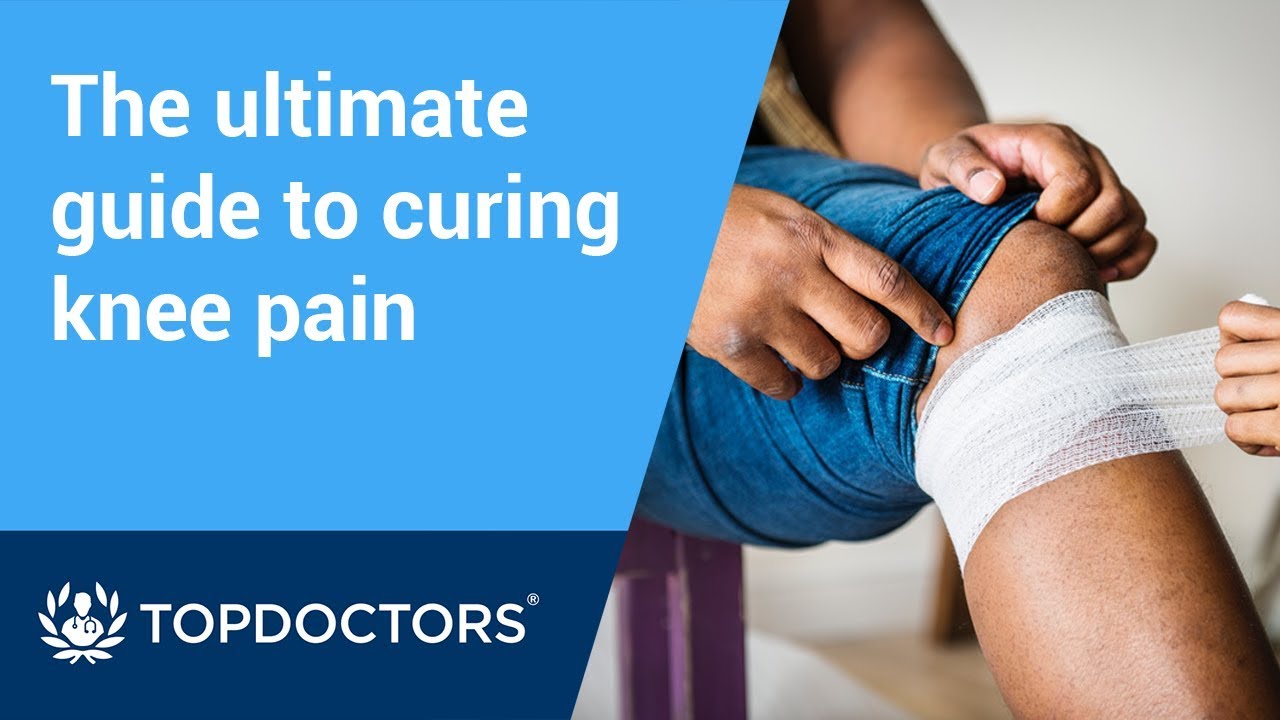
Orthotic devices, such as knee braces or insoles, work by supporting the joint, improving alignment, and reducing stress on affected areas. This not only alleviates pain but also helps prevent further injury.
In our sessions, we’ve seen patients with chronic knee pain regain mobility after just a few weeks of using a custom orthotic device. One patient with early-stage osteoarthritis reported being able to walk longer distances without discomfort—a result that would have been difficult to achieve with medication alone.
Types of Orthotic Support for Knee Pain
1. Knee Braces
Knee braces provide external support, stabilize the joint, and can limit harmful movements. They are generally categorized into:
| Brace Type | Purpose | Example from Practice |
|---|---|---|
| Prophylactic | Prevent injury during sports | Athletes recovering from ACL injuries reported fewer reinjuries. |
| Functional | Support injured knees | Patients with ligament damage regained confidence in walking. |
| Rehabilitative | Limit movement post-surgery | Post-arthroscopy patients showed faster recovery with controlled motion. |
| Unloader | Relieve pressure in osteoarthritis | A 62-year-old patient with medial knee OA walked pain-free for the first time in months. |
2. Custom Orthotics
Custom orthotics, including foot and ankle supports, can improve knee alignment by correcting imbalances in lower-limb mechanics.
-
Example: One patient with overpronation experienced medial knee pain. After receiving a custom foot orthotic, their knee pain reduced significantly, allowing them to resume light jogging without discomfort.
Custom orthotics are particularly effective when knee pain is linked to gait abnormalities, foot misalignment, or biomechanical issues.
3. Combination Therapy
Orthotics often work best alongside physical therapy, strengthening exercises, and lifestyle adjustments. A patient we treated with chronic patellofemoral pain combined a knee brace with targeted quadriceps strengthening. Within 8 weeks, pain levels decreased by 60%, and stair climbing became manageable again.
When to Seek Orthotic Support
Early intervention is key. Signs that orthotic support may be necessary include:
- Persistent knee pain lasting more than 2 weeks
- Pain that worsens with activity or weight-bearing
- Instability, locking, or clicking in the knee
- Swelling that doesn’t improve with rest
- Difficulty walking, climbing stairs, or performing daily activities
Ignoring these symptoms can lead to long-term damage, including cartilage degeneration, increased risk of ligament injuries, and reduced mobility.
Benefits of Orthotic Support
- Pain Relief: Orthotics reduce pressure on painful areas, providing immediate relief.
- Improved Alignment: Supports correct movement patterns to prevent further damage.
- Enhanced Stability: Reduces the risk of falls or re-injury, especially in older adults.
- Better Functionality: Patients regain confidence in daily activities and sports.
- Prevention: Helps slow the progression of conditions like osteoarthritis.
In practice, patients who integrate orthotic support into their daily routine often report noticeable improvements within 4–6 weeks.
Real-Life Case Studies
Case 1: Early Osteoarthritis Relief
A 58-year-old patient with medial knee osteoarthritis struggled with pain while walking. We provided a custom unloader brace, and within 3 weeks, the patient reported reduced pain and increased walking distance from 5 to 20 minutes.
Case 2: Post-Injury Stabilization
A 35-year-old runner with a mild MCL tear used a functional knee brace. In our follow-up sessions, the patient was able to resume light jogging after 6 weeks, demonstrating the brace’s stabilizing effect during recovery.
Case 3: Biomechanical Correction
A patient with flat feet and associated knee pain received custom foot orthotics. Over 2 months, knee pain decreased significantly, and the patient resumed normal daily activities without discomfort.
Tips for Choosing the Right Orthotic
- Consult a Specialist: A licensed orthotist or physiotherapist can assess your condition.
- Consider Custom Devices: Custom braces and orthotics are often more effective than off-the-shelf options.
- Combine with Therapy: Pair orthotic support with exercises and lifestyle changes.
- Regular Follow-Up: Adjustments may be necessary as symptoms improve or change.
- Monitor Symptoms: Track improvements in pain, mobility, and function.
Final Thoughts
Knee pain doesn’t have to limit your lifestyle. With the right orthotic support, patients can regain mobility, reduce pain, and protect their joints for the long term. For personalized assessment and orthotic solutions tailored to your knee condition, reach out to professionals at Orthotics Ltd. who specialize in prosthetics and orthotics support. Contact us today!
Frequently Asked Questions
1. Can knee pain be relieved without surgery using orthotics?
Yes, many patients experience significant relief and improved mobility using knee braces and custom orthotics, especially when combined with physical therapy.
2. How long should I wear a knee brace each day?
This depends on your condition and the type of brace. A healthcare professional can provide personalized recommendations. Some patients wear braces during activity, while others may need longer periods.
3. Are custom orthotics better than off-the-shelf options?
In most cases, yes. Custom orthotics are tailored to your anatomy and gait, providing better support and pain relief than generic solutions.
4. Can orthotics prevent further knee damage?
Properly fitted orthotics can reduce stress on joints, improve alignment, and help slow the progression of conditions like osteoarthritis.
5. When should I consider consulting an orthotist?
If you experience persistent pain, instability, or difficulty performing daily activities, early consultation ensures the right device is selected for optimal results.
Sources:
- https://www.mayoclinic.org/diseases-conditions/knee-pain/symptoms-causes/syc-20350849
- https://orthoinfo.aaos.org/en/recovery/knee-conditioning-program/
- https://pmc.ncbi.nlm.nih.gov/articles/PMC3980155/
- https://www.ucsfhealth.org/conditions/early-osteoarthritis
- https://pmc.ncbi.nlm.nih.gov/articles/PMC9130436/
