

Do Cosmetic Covers Affect Performance?
Key Highlights
- Cosmetic covers are designed to improve the appearance of prosthetic limbs without compromising function.
- When properly selected, cosmetic covers do not significantly affect prosthetic performance.
- Poorly fitted or low-quality covers may impact weight, heat retention, or joint movement.
- Modern cosmetic covers use advanced materials that balance aesthetics, durability, and comfort.
- Working with a certified prosthetist ensures cosmetic choices support both function and lifestyle needs.
For individuals using prosthetic limbs, appearance and function are both deeply personal considerations. While prosthetic technology has advanced dramatically in terms of mobility, strength, and adaptability, many users also want their prosthetics to look natural or reflect their personal style. This is where cosmetic covers come into play.
A common concern among prosthetic users is whether cosmetic covers affect prosthetic performance. Will they make the limb heavier? Will they restrict movement? Could they interfere with comfort or durability? These questions are important, especially for individuals who rely on their prosthesis throughout the day for work, recreation, and everyday tasks.
This article explores how cosmetic covers work, their potential impact on prosthetic performance, and what users should consider when deciding whether a cosmetic cover is right for them.
What Are Cosmetic Covers for Prosthetics?
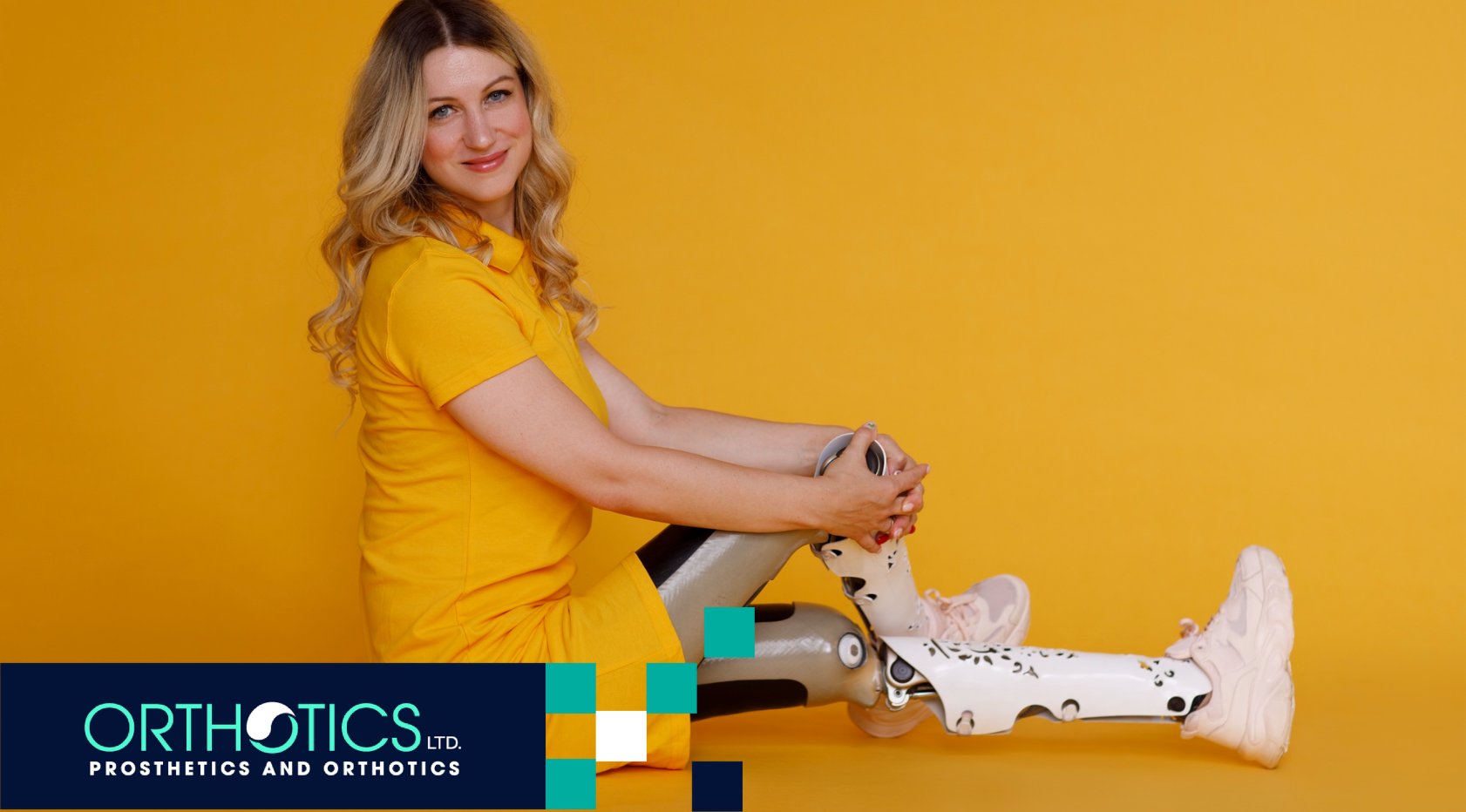
Cosmetic covers are external layers placed over a prosthetic limb to enhance its appearance. They can be designed to mimic the natural shape and skin tone of a human limb or provide a more stylized, artistic look.
Cosmetic covers are commonly made from materials such as:
- Silicone
- Foam
- Flexible polymers
- Laminated fabrics
They can be custom-colored and textured or produced in standard tones and finishes. Some covers are removable, while others are integrated into the prosthetic design.
Why Do People Choose Cosmetic Covers
The decision to use a cosmetic cover is highly personal. Some of the most common reasons include:
Improved Aesthetic Confidence
Many prosthetic users prefer a natural-looking limb that blends in with their body. Cosmetic covers can help individuals feel more comfortable in social situations and professional settings.
Personal Expression
Modern cosmetic covers can be customized with colors, patterns, or designs that reflect personality, hobbies, or interests.
Clothing Compatibility
Covers can help prosthetic limbs fit better under clothing by creating a smoother, more natural contour.
Emotional Well-Being
For some users, cosmetic covers contribute to a sense of wholeness and self-identity, which can positively affect mental and emotional health.
Do Cosmetic Covers Affect Prosthetic Performance?
The short answer is: not necessarily. When designed and fitted correctly, cosmetic covers generally do not negatively affect prosthetic performance. However, several factors determine how a cosmetic cover interacts with function.
Key Factors That Influence Performance
1. Weight
One of the most common concerns is added weight. Cosmetic covers do add some weight to a prosthetic limb, but modern materials are lightweight and engineered to minimize impact.
For most users, the additional weight is negligible and does not interfere with daily activities. However, for individuals who are highly active or sensitive to weight changes, even small differences can matter.
2. Range of Motion
A properly fitted cosmetic cover should not restrict joint movement. Advanced designs accommodate knee, ankle, elbow, or wrist articulation without limiting flexibility.
Problems may occur if:
- The cover is too tight
- The material lacks flexibility
- The cover was not designed for the specific prosthetic model
This is why professional fitting is essential.
3. Heat and Ventilation
Cosmetic covers can reduce airflow around the prosthesis, potentially leading to heat buildup. This may affect comfort, especially in warm climates or during physical activity.
Newer cosmetic covers often include:
- Ventilation channels
- Breathable materials
- Moisture-resistant linings
These features help minimize heat-related discomfort.
4. Durability and Maintenance
High-quality cosmetic covers are designed to withstand everyday wear and tear. However, they may require periodic replacement due to scuffing, discoloration, or material breakdown.
Covers that are poorly made or not intended for the user’s activity level may wear out faster and indirectly affect prosthetic performance.
Types of Cosmetic Covers and Their Impact
| Type of Cosmetic Cover | Appearance | Weight Impact | Flexibility | Best For |
|---|---|---|---|---|
| Silicone Covers | Highly realistic | Moderate | High | Everyday wear, natural look |
| Foam Covers | Natural contour | Low | Moderate | Comfort and lightweight use |
| Fabric or Soft Covers | Stylized | Very low | High | Sports, casual use |
| Custom Artistic Covers | Decorative | Varies | High | Personal expression |
Each option offers different benefits depending on lifestyle, activity level, and personal preference.
Cosmetic Covers vs. Functional Covers
It’s important to distinguish between cosmetic covers and functional protective covers.
- Cosmetic covers focus primarily on appearance.
- Functional covers may protect mechanical components from dirt, moisture, or impact.
Some modern designs combine both, offering aesthetic appeal while also protecting the prosthetic system.
Who Might Experience Performance Changes?
While most users do not experience performance issues, certain individuals may need to be more selective:
- Highly active users (athletes, labor-intensive jobs)
- Individuals with upper-limb prosthetics requiring fine motor control
- Users in hot or humid environments
- Those with skin sensitivity or circulation concerns
In these cases, customization and material choice become especially important.
The Importance of Proper Fitting
Cosmetic covers should never be an afterthought. A certified prosthetist evaluates:
- Prosthetic alignment
- Joint movement
- Suspension system
- Daily activity level
This ensures the cover complements the prosthetic rather than interfering with its function. Improper fitting is the most common reason cosmetic covers cause issues.
Psychological and Social Impact
Performance is not only physical. Confidence, comfort, and emotional well-being also affect how effectively someone uses their prosthesis.
Studies and anecdotal evidence suggest that users who feel confident in their prosthetic appearance may:
- Be more active socially
- Wear their prosthesis more consistently
- Experience improved quality of life
In this sense, cosmetic covers can indirectly enhance functional performance.
How Technology Has Improved Cosmetic Covers
Advancements in prosthetic technology have significantly improved cosmetic cover design. Today’s covers often feature:
- 3D scanning for precise shaping
- Custom pigmentation
- Flexible joint zones
- Lightweight composite materials
These innovations help ensure cosmetic covers support both form and function.
Are Cosmetic Covers Right for Everyone?
Not necessarily. Some prosthetic users prefer the mechanical look of their device or prioritize performance above aesthetics. Others may choose removable covers for specific situations, such as work versus social events.
The best choice is one that aligns with individual goals, comfort, and lifestyle.
Making an Informed Decision
When considering a cosmetic cover, users should ask:
- Will this cover support my daily activities?
- Is it compatible with my prosthetic system?
- How will it affect comfort in different environments?
- What maintenance will it require?
Discussing these questions with a prosthetics professional ensures the best outcome.
Final Thoughts
So, do cosmetic covers affect prosthetic performance? In most cases, no, especially when they are high-quality, properly fitted, and designed for the user’s lifestyle. Cosmetic covers have evolved to balance appearance, comfort, and function, making them a valuable option for many prosthetic users.
For individuals interested in exploring cosmetic cover options tailored to both performance and personal style, working with an experienced provider like Orthotics Ltd. can help ensure the best possible fit and outcome. Contact us today!
Frequently Asked Questions
1. Do cosmetic covers make prosthetics heavier?
Cosmetic covers add some weight, but modern materials are lightweight and usually do not affect daily performance.
2. Can cosmetic covers restrict movement?
When properly designed and fitted, cosmetic covers should not limit the range of motion or joint function.
3. Are cosmetic covers removable?
Many cosmetic covers are removable, allowing users to switch between covered and uncovered prosthetics as needed.
4. Do cosmetic covers require special maintenance?
Maintenance varies by material. Most covers need routine cleaning and occasional replacement due to wear.
5. Are cosmetic covers purely aesthetic?
While primarily aesthetic, some cosmetic covers also provide protection and can improve confidence, indirectly supporting functional use.
Sources:
- https://www.cnet.com/pictures/stunningly-surreal-artificial-limbs-pictures/
- https://pmc.ncbi.nlm.nih.gov/articles/PMC11168597/
- https://www.limbs4life.org.au/uploads/resources/Fact-Sheet-7.pdf
- https://pmc.ncbi.nlm.nih.gov/articles/PMC7340716/
- https://pmc.ncbi.nlm.nih.gov/articles/PMC9372180/
