
Using Hydrotherapy to Support Hip Prosthetic Recovery
Key Highlights
- Hydrotherapy reduces pain and supports gentle movement after hip prosthetic surgery.
- Water’s buoyancy decreases stress on joints, enabling early rehabilitation exercises.
- Combining hydrotherapy with targeted land-based therapy improves mobility and strength.
- Proper monitoring and individualized sessions prevent complications and enhance recovery.
- Ongoing professional guidance ensures safe adaptation and long-term hip prosthetic function.
Recovering from a hip prosthetic surgery can be challenging. Pain, limited mobility, and fear of re-injury often make rehabilitation daunting. Hydrotherapy, or aquatic therapy, has emerged as a highly effective way to support recovery, improve strength, and restore natural movement in a low-impact environment. This article explores the science behind hydrotherapy for hip prosthetic recovery, practical exercises, and strategies to maximize outcomes.
Understanding Hydrotherapy
Hydrotherapy uses the physical properties of water, buoyancy, resistance, and hydrostatic pressure, to support rehabilitation. Key benefits for hip prosthetic recovery include:
- Buoyancy: Reduces body weight impact on the hip, making movement easier and less painful.
- Resistance: Water provides natural resistance, helping strengthen muscles gently.
- Hydrostatic pressure: Supports circulation and reduces swelling in the hip and lower limb.
Case Example: In our sessions with a 62-year-old patient post-hip replacement, initial walking in water allowed them to perform exercises that were too painful on land. Within three weeks of structured hydrotherapy, they reported improved mobility and reduced discomfort during daily activities.
Why Hydrotherapy Is Ideal for Hip Prosthetic Recovery
Hip prosthetic patients often face challenges with pain, muscle weakness, and fear of falling. Hydrotherapy addresses these by:
- Reducing joint stress: Water’s buoyancy allows early movement without overloading the new prosthetic joint.
- Enhancing muscle strength: Water resistance strengthens supporting muscles without excessive strain.
- Improving balance: Controlled movements in water reduce fall risk while retraining proprioception.
- Pain relief: Hydrostatic pressure and warmth of water can alleviate post-surgical soreness and stiffness.
Research published shows that patients who incorporated hydrotherapy after hip replacement recovered functional mobility 20% faster than those who only used land-based therapy.
Key Hydrotherapy Exercises for Hip Prosthetic Recovery
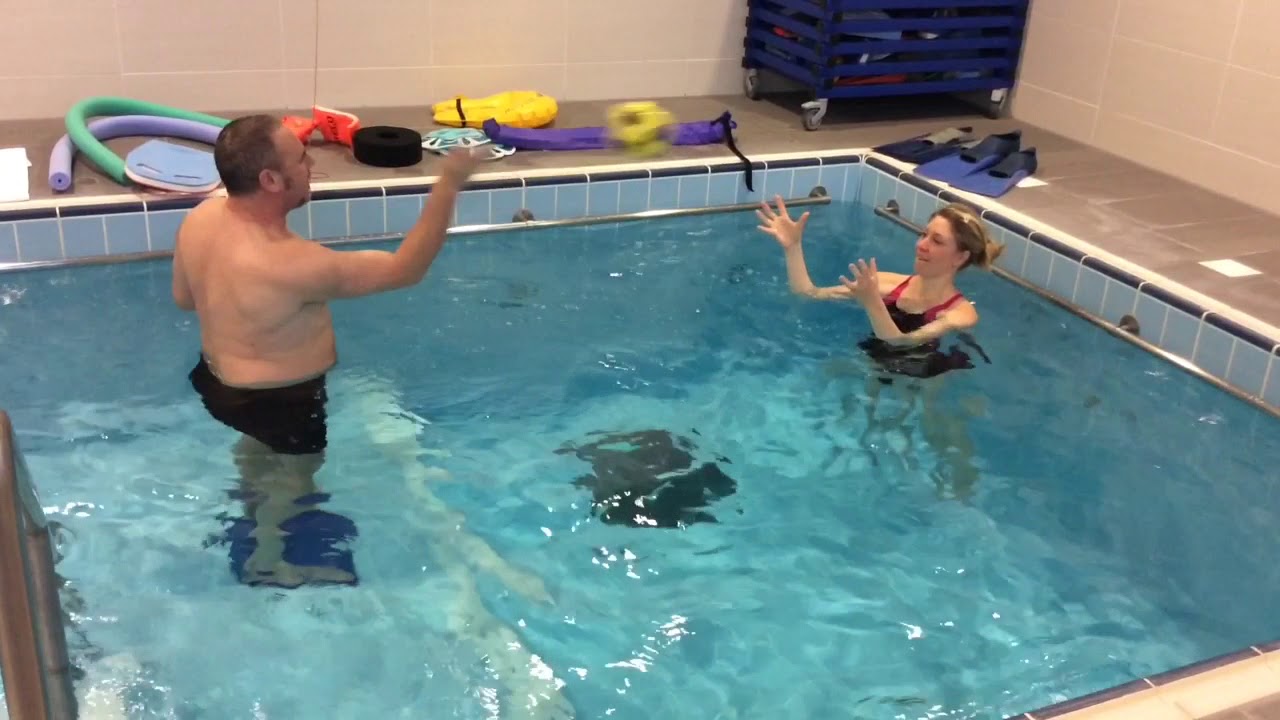
Hydrotherapy exercises should be supervised by a licensed physical therapist and tailored to the patient’s recovery stage. Below are some commonly used exercises:
| Exercise | Purpose | Technique |
|---|---|---|
| Water walking | Improves gait and balance | Walk forward and backward in chest-deep water, gradually increasing speed |
| Hip abduction/adduction | Strengthens hip muscles | Stand in water, move leg out to the side and back slowly, 10–15 reps |
| Leg lifts | Enhances quadriceps and glute strength | Lift one leg straight in front, hold 2–3 seconds, repeat for each leg |
| Mini squats | Builds lower body strength | Perform shallow squats, holding water noodles or pool wall for support |
| Marching in place | Improves cardiovascular endurance and coordination | Lift knees alternately in chest-deep water, maintaining upright posture |
Example from Practice: One patient who struggled with balance on land could perform water walking with no assistance. After four weeks, their confidence improved, and they were able to start assisted land-based walking exercises.
Combining Hydrotherapy and Land-Based Therapy
Hydrotherapy is most effective when combined with traditional rehabilitation:
- Early phase (weeks 1–3): Focus on gentle water exercises to reduce pain and swelling.
- Mid phase (weeks 4–8): Introduce resistance exercises in water and short land-based walking sessions.
- Late phase (weeks 9+): Gradually transition to full land-based exercises while maintaining water sessions for strength and flexibility.
Clinical Insight: We’ve seen patients recover faster and report less fear of movement when hydrotherapy is incorporated into a phased rehabilitation plan. This approach also reduces compensatory stress on the opposite hip and knee.
Safety Considerations
While hydrotherapy is highly beneficial, certain precautions are essential:
- Ensure water depth is appropriate for patient height and comfort.
- Monitor prosthetic site for swelling, redness, or irritation.
- Avoid high-impact movements that can dislodge or stress the prosthetic.
- Supervision by a trained therapist is critical, especially for older adults or those with balance challenges.
Real-Life Example: During a session, a patient experienced slight discomfort at the hip incision site. Adjusting water depth and reducing the range of motion resolved the issue, demonstrating the importance of continuous monitoring.
Psychological Benefits of Hydrotherapy
Hydrotherapy also provides mental health benefits:
- Reduced fear of falling in a supportive environment
- Increased confidence in mobility
- Enhanced motivation to participate in rehabilitation
Patients often report feeling more independent and empowered after several hydrotherapy sessions.
Long-Term Benefits and Maintenance
To maximize long-term outcomes:
- Continue strength and balance exercises both in water and on land.
- Monitor prosthetic alignment and function during recovery.
- Incorporate low-impact activities like swimming or water aerobics to maintain fitness without stressing the hip joint.
- Schedule regular check-ups with orthopedic specialists and therapists.
Patients who follow these recommendations typically achieve greater mobility, reduced pain, and improved quality of life.
Final Thoughts
Hydrotherapy is a scientifically supported method to enhance hip prosthetic recovery, reduce pain, and restore natural movement. By leveraging water’s buoyancy, resistance, and pressure, patients can safely rebuild strength, confidence, and independence. Real-world examples show faster rehabilitation and higher patient satisfaction when hydrotherapy is integrated into a structured recovery plan.
For professional guidance on hip prosthetic recovery and hydrotherapy programs, our team at Orthotics Ltd. provides expert support, personalized plans, and ongoing adjustments to ensure optimal outcomes for every patient. Contact us today!
Frequently Asked Questions
1. When can I start hydrotherapy after hip prosthetic surgery?
Most patients can begin gentle water exercises within 1–2 weeks post-surgery, but timing should be approved by your surgeon or physical therapist.
2. Is hydrotherapy safe for older adults with hip prosthetics?
Yes. Water provides support and reduces fall risk, making it safe for older patients when supervised.
3. How often should hydrotherapy sessions occur?
2–3 times per week is common, depending on recovery stage, physical tolerance, and therapist recommendations.
4. Can hydrotherapy replace land-based rehabilitation?
No. Hydrotherapy complements land exercises and is most effective as part of a combined rehabilitation program.
5. Does hydrotherapy help with pain management?
Yes. Warm water and buoyancy reduce joint stress and muscle tension, alleviating pain during early recovery.
Sources:
- https://www.hopkinsmedicine.org/health/expert-qa/hip-replacement-recovery
- https://pmc.ncbi.nlm.nih.gov/articles/PMC4407119/
- https://pmc.ncbi.nlm.nih.gov/articles/PMC4970440/
- https://www.uclahealth.org/news/article/aquatic-pt-can-benefit-joint-replacement-patients
