
The Science Behind Toe Prosthetics: How They Restore Natural Movement
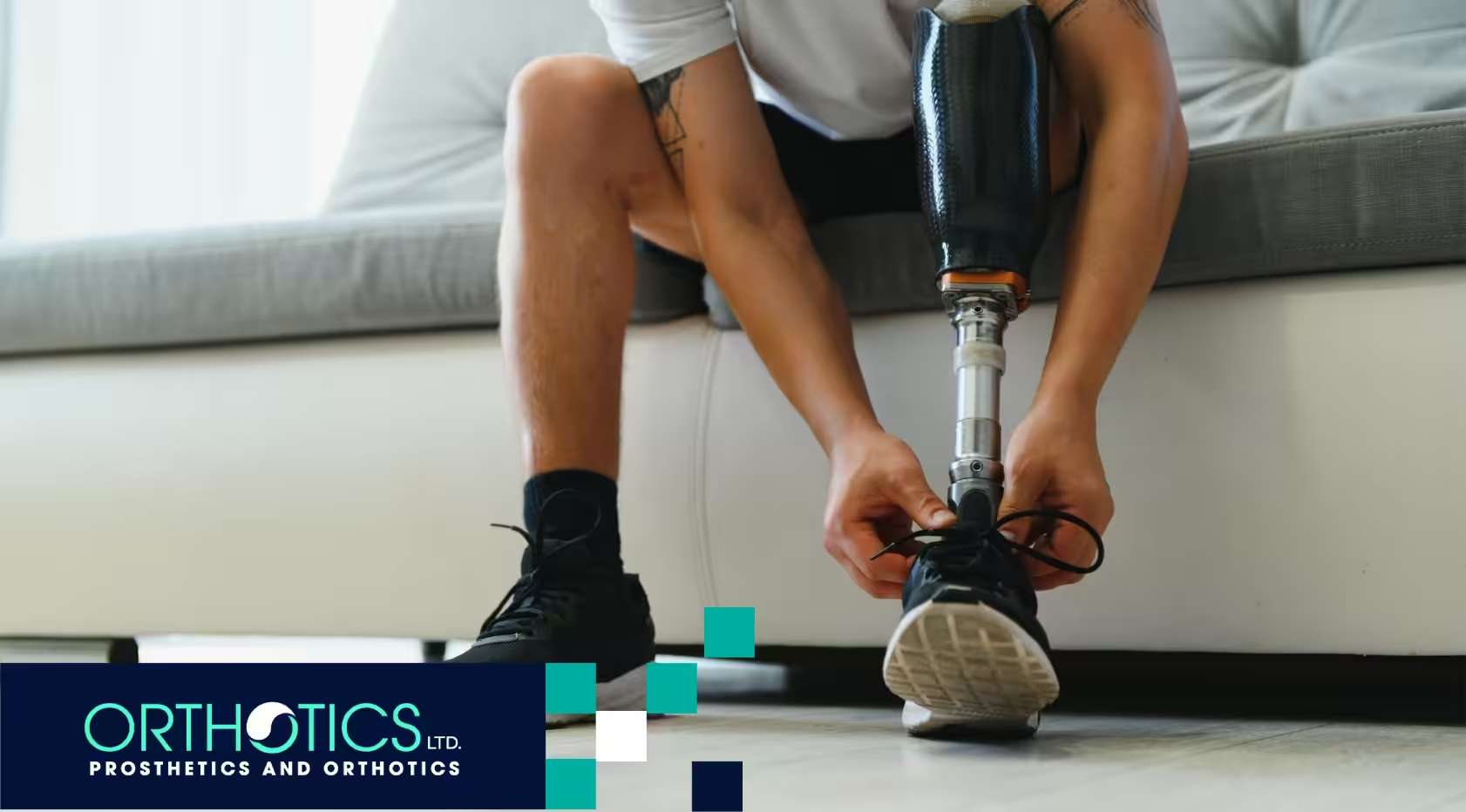
Key Highlights
- Toe prosthetics restore balance, mobility, and natural gait after amputation or injury.
- Proper design and fitting are crucial for comfort and functional performance.
- Rehabilitation and adaptation exercises accelerate recovery and reduce strain on other joints.
- Advanced materials and biomechanics allow toe prosthetics to mimic natural movement.
- Continuous monitoring, adjustments, and professional guidance ensure long-term success.
The human foot is a marvel of engineering, with toes playing a critical role in balance, weight distribution, and walking efficiency. Losing a toe due to injury, amputation, or medical conditions like diabetes can significantly impact mobility and quality of life. Toe prosthetics are designed to restore function, support natural gait, and improve overall foot biomechanics. This blog explores the science behind toe prosthetics, how they work, and strategies for recovery and adaptation.
Why Toe Prosthetics Matter
Toes may seem small, but they serve essential roles in:
- Balance: Toes provide stabilizing support when standing or walking.
- Propulsion: They assist in pushing off the ground during walking or running.
- Weight distribution: They help spread body weight evenly across the foot.
Loss of a toe disrupts these functions, leading to altered gait, increased risk of falls, and strain on other joints such as the ankle, knee, and hip. Toe prosthetics aim to correct these biomechanical imbalances.
Case Insight: In our sessions with a patient who lost their big toe, we observed a noticeable limp and overcompensation in the opposite leg. After fitting a custom toe prosthetic and implementing gait training exercises, the patient regained a near-normal walking pattern within six weeks.
How Toe Prosthetics Work
Toe prosthetics are designed to mimic the shape, function, and movement of natural toes. They are built using advanced materials and biomechanical principles:
- Materials: Commonly used materials include silicone, carbon fiber, and lightweight polymers. Silicone liners provide comfort and reduce skin irritation, while carbon fiber adds strength and spring-like energy return.
- Biomechanics: Prosthetics are designed to allow flexion and push-off motion, replicating natural toe movement. Proper alignment ensures that weight is distributed evenly across the foot.
- Customization: Toe prosthetics are often custom-molded to match the patient’s residual toe length, foot shape, and gait pattern.
Example: A middle-aged patient who lost their second toe due to trauma benefited from a flexible silicone prosthetic with a carbon fiber core. In follow-up sessions, they reported improved balance and were able to participate in light jogging exercises safely.
The Role of Rehabilitation and Adaptation
Fitting a prosthetic toe is only the first step. Rehabilitation is essential to restore confidence, balance, and mobility. Key strategies include:
1. Gait Training
- Practicing walking with a prosthetic helps the brain relearn natural movement.
- Exercises focus on even weight distribution, step symmetry, and push-off mechanics.
2. Strengthening Exercises
- Targeted exercises for the foot, ankle, and calf muscles prevent strain.
- Resistance band exercises and toe curls improve flexibility and muscle engagement.
3. Balance Training
- Standing on one leg, using wobble boards, and other balance exercises reduce fall risk.
- Regular practice helps users adjust to the prosthetic and regain confidence in movement.
Real-Life Example: In our sessions with an elderly patient recovering from partial toe amputation, balance exercises combined with a custom prosthetic reduced fall risk and improved stability during daily activities.
Pain and Discomfort Management
Some patients may experience mild discomfort initially due to:
- Residual limb sensitivity
- Pressure points or socket misalignment
- Muscle fatigue from adapting to new gait patterns
Strategies to Reduce Discomfort
- Gradual increase in wear time
- Using silicone liners or padding to reduce friction
- Regular adjustments by a prosthetist for alignment and fit
Case Insight: One patient reported soreness at the base of the prosthetic during their first week of use. After adjusting the liner thickness and adding a cushioned insole, pain was nearly eliminated, allowing consistent daily use.
Innovations in Toe Prosthetics
Modern toe prosthetics leverage technology to enhance natural movement:
- Energy-return materials: Carbon fiber and specialized polymers store and release energy during walking, mimicking natural toe propulsion.
- 3D scanning and printing: Ensures precise custom fit for comfort and optimal gait restoration.
- Modular designs: Allow easy replacement of worn components without full prosthetic replacement.
| Feature | Benefit | Clinical Insight |
|---|---|---|
| Silicone liner | Comfort, reduced friction | Patients report fewer skin irritations and higher daily wear compliance |
| Carbon fiber core | Energy return, durability | Improves push-off during walking and jogging |
| Custom molding | Precise fit | Enhances balance and reduces compensatory strain on other joints |
| Modular design | Easy maintenance | Reduces long-term costs and increases user satisfaction |
Long-Term Success with Toe Prosthetics
To achieve lasting benefits:
- Routine monitoring: Regular visits to a prosthetist for fit assessment.
- Foot care: Daily inspection for redness, blisters, or irritation.
- Strength maintenance: Continuing foot and ankle exercises to prevent overcompensation.
- Lifestyle integration: Gradual reintroduction to sports or activities with proper support.
We’ve seen patients who consistently follow these guidelines report minimal discomfort and regain almost full mobility even years after amputation.
Psychological and Social Benefits
Beyond physical improvements, toe prosthetics can enhance mental health:
- Restoring independence in walking, sports, and daily tasks
- Boosting confidence and body image
- Reducing social anxiety associated with visible foot differences
Case Insight: A young adult patient who had lost a toe was hesitant to wear open-toed shoes or participate in sports. With a cosmetically realistic prosthetic and gradual gait rehabilitation, the patient resumed soccer and felt comfortable in social settings again.
Final Thoughts
Toe prosthetics are more than cosmetic solutions—they restore natural movement, improve balance, and enhance quality of life. By combining advanced materials, precise fitting, rehabilitation, and ongoing monitoring, patients can regain independence and confidence. Real-world examples demonstrate that careful adaptation and professional guidance lead to long-term success.
For those exploring toe prosthetic options, our team at Orthotics Ltd. provides expert fittings, personalized rehabilitation guidance, and ongoing support to ensure the best outcomes for every patient. Reach out today!
Frequently Asked Questions
1. How long does it take to adjust to a toe prosthetic?
Most patients adapt within 4–6 weeks, though some may need longer depending on activity level and the number of toes affected.
2. Can toe prosthetics be used for running or sports?
Yes, specially designed energy-return prosthetics allow light jogging and sports, though high-impact activities require guidance from a professional.
3. How often should a toe prosthetic be adjusted?
Regular check-ups every 3–6 months are recommended, or sooner if discomfort or gait issues arise.
4. Are toe prosthetics visible in shoes?
Most prosthetics are discreet and can be worn with regular shoes. Some cosmetic options replicate the natural shape and skin tone of toes.
5. Do I need exercises to maintain function with a toe prosthetic?
Yes. Strengthening and balance exercises help prevent strain on other joints and optimize prosthetic performance.
Sources:
- https://www.physio-pedia.com/Prosthetic_rehabilitation
- https://www.bhf.org.uk/informationsupport/heart-matters-magazine/activity/resistance-bands
- https://www.merckmanuals.com/home/special-subjects/limb-prosthetics/residual-limb-pain
- https://news.mit.edu/2024/prosthesis-helps-people-with-amputation-walk-naturally-0701
- https://www.apa.org/monitor/2024/07/developing-prosthetics
