
Supporting Emotional Development in Using Pediatric Prosthetics
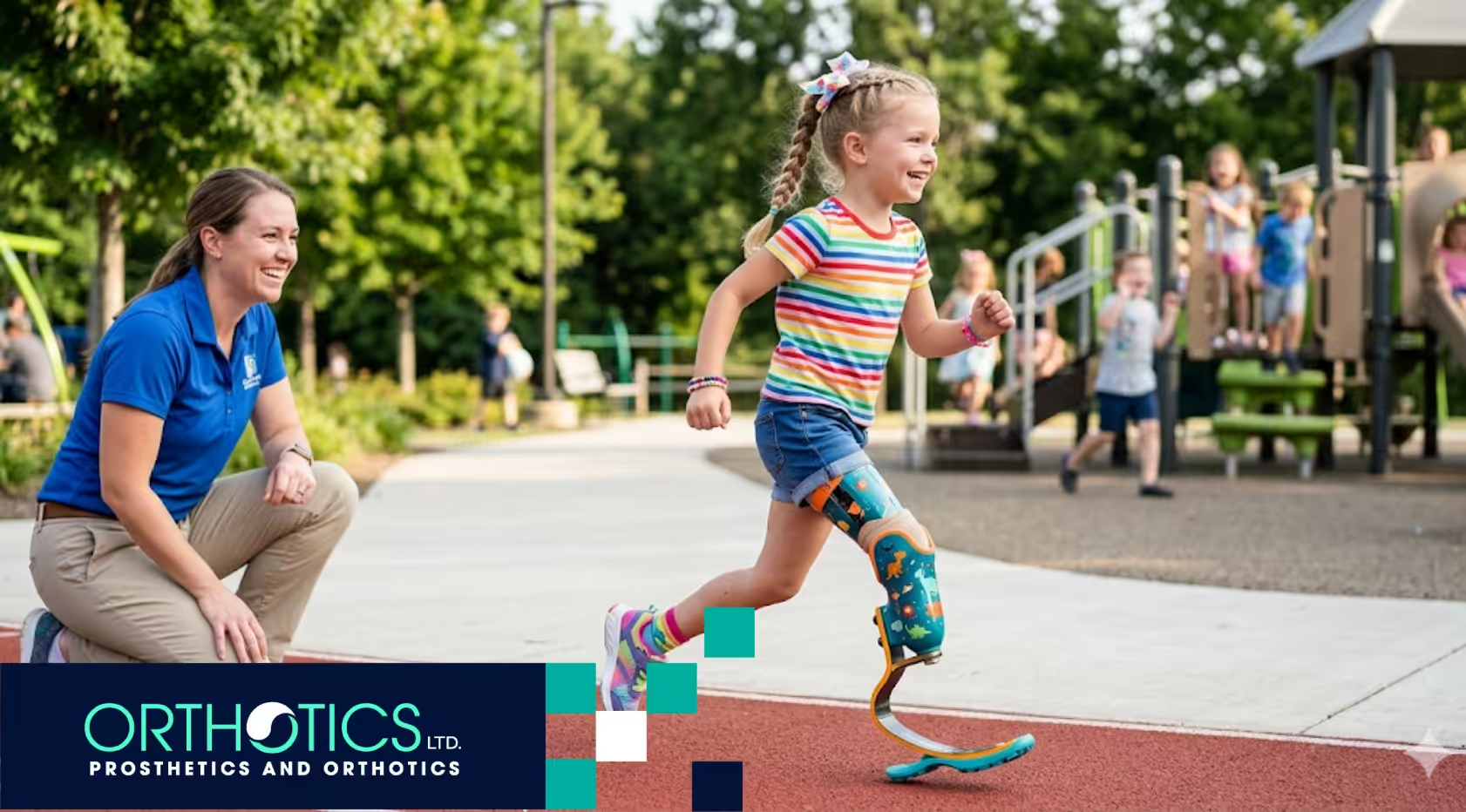
Key Highlights
- Emotional development is just as important as physical adaptation when using pediatric prosthetics
- Children may experience a wide range of emotions, from curiosity to frustration and self-consciousness
- Family support, peer interaction, and professional guidance play a key role in building confidence
- Real-life experiences show that positive reinforcement improves acceptance and independence
- Early emotional support helps children develop resilience, self-esteem, and social confidence
For children who use prosthetics, the journey is not only physical—it is deeply emotional. Learning to adapt to a prosthetic limb involves navigating identity, confidence, independence, and social interaction. Supporting emotional development in pediatric prosthetic users is essential for long-term success, helping children build resilience, self-esteem, and a positive outlook on their abilities.
Understanding Emotional Challenges in Pediatric Prosthetic Use
Children respond differently to using a prosthetic limb depending on their age, personality, and environment. Some may adapt quickly, while others may struggle with frustration or self-consciousness.
Common emotional responses include:
- Curiosity and excitement about new abilities
- Frustration during the learning process
- Anxiety about being different from peers
- Fear of failure or discomfort
- Pride as independence grows
In our sessions, we’ve seen younger children often approach prosthetics with curiosity, while older children may be more aware of social differences, requiring additional emotional support.
The Importance of Early Emotional Support
Providing emotional support early in the prosthetic journey helps children develop a healthy relationship with their device. When emotional needs are addressed alongside physical rehabilitation, children are more likely to:
- Use their prosthetic consistently
- Engage in therapy sessions
- Build confidence in daily activities
- Develop a positive self-image
Case Example: A 6-year-old child initially resisted wearing a prosthetic arm due to discomfort and frustration. Through gradual exposure, play-based therapy, and positive reinforcement, the child began wearing the prosthetic daily and even incorporated it into school activities. This transformation highlights the importance of emotional guidance alongside physical training.
Role of Parents and Caregivers
Parents and caregivers are central to a child’s emotional development. Their attitudes, language, and encouragement shape how a child perceives their prosthetic.
Key Strategies:
- Normalize the Experience: Treat the prosthetic as a tool, not a limitation
- Encourage Open Communication: Allow children to express fears and frustrations
- Celebrate Small Wins: Recognize progress, no matter how minor
- Model Confidence: Children often mirror caregiver attitudes
In our experience, children whose parents maintain a positive and supportive outlook are more likely to develop confidence and independence.
Building Confidence Through Daily Activities
Daily routines provide opportunities for children to gain confidence using their prosthetic.
Practical Approaches:
- Encourage participation in age-appropriate tasks
- Introduce challenges gradually
- Allow children to explore what they can do independently
Example from Practice: We’ve seen children gain confidence by mastering simple tasks such as holding toys, dressing themselves, or participating in classroom activities. These small successes build a foundation for larger achievements.
The Role of Play in Emotional Development
Play is a powerful tool for emotional growth. It allows children to explore their abilities in a low-pressure environment.
Benefits of Play-Based Learning:
- Reduces anxiety and fear
- Encourages creativity and exploration
- Improves motor skills and coordination
- Builds confidence in using the prosthetic
Activities such as building blocks, drawing, or sports can be adapted to include prosthetic use, making the experience enjoyable and empowering.
Social Interaction and Peer Support
Social environments, such as school or community activities, can significantly impact emotional development.
Challenges:
- Fear of being different
- Questions or curiosity from peers
- Potential for teasing or exclusion
Support Strategies:
- Prepare children with simple explanations about their prosthetic
- Encourage participation in group activities
- Work with teachers to foster an inclusive environment
Case Study: In one case, a child hesitant to attend school due to fear of peer reactions gained confidence after practicing responses to questions at home. Over time, the child became more comfortable and actively participated in classroom activities.
Professional Support and Therapy
Healthcare professionals play a critical role in supporting emotional development.
Key Contributions:
- Providing counseling and emotional guidance
- Offering structured therapy programs
- Monitoring both physical and emotional progress
In our sessions, combining physical therapy with emotional coaching has proven highly effective. Children who feel supported emotionally are more engaged and motivated during rehabilitation.
Addressing Body Image and Self-Esteem
As children grow, body image becomes increasingly important. Pediatric prosthetic users may become more aware of differences, especially during adolescence.
Strategies to Support Self-Esteem:
- Encourage self-expression and individuality
- Highlight strengths and abilities
- Provide positive role models
- Reinforce that differences do not define worth
Example: We’ve seen teenagers benefit from connecting with peers who also use prosthetics, helping them feel understood and less isolated.
Adapting Support by Age Group
Emotional needs vary by developmental stage:
| Age Group | Emotional Needs | Support Strategies |
|---|---|---|
| Toddlers | Comfort, security | Play-based adaptation, parental reassurance |
| School-age children | Confidence, social acceptance | Peer interaction, skill-building activities |
| Adolescents | Identity, independence | Counseling, peer support, and goal-setting |
Tailoring emotional support to each stage ensures that children receive the guidance they need as they grow.
Encouraging Independence and Resilience
Building independence is a key milestone for pediatric prosthetic users. Encouraging children to take ownership of their prosthetic fosters resilience and confidence.
Ways to Promote Independence:
- Teach proper prosthetic care
- Allow children to make choices about usage
- Encourage problem-solving during challenges
In our experience, children who are given opportunities to make decisions about their prosthetic use develop stronger self-confidence and adaptability.
The Impact of Positive Reinforcement
Positive reinforcement plays a crucial role in emotional development.
Effective Techniques:
- Verbal praise for effort and progress
- Reward systems for consistent prosthetic use
- Celebrating milestones
Case Example: A child who struggled with consistent prosthetic use began wearing it regularly after implementing a reward system and receiving consistent encouragement from caregivers and therapists.
Long-Term Emotional Outcomes
When emotional development is supported effectively, children are more likely to:
- Develop strong self-esteem
- Build meaningful social connections
- Achieve independence in daily life
- Approach challenges with confidence
These outcomes extend beyond prosthetic use, influencing overall well-being and quality of life.
Future Directions in Pediatric Prosthetic Care
Advancements in technology and therapy continue to enhance emotional support for children:
- Child-friendly prosthetic designs that reflect personality
- Virtual reality tools to simulate social scenarios
- Integrated mental health support in rehabilitation programs
These innovations aim to create a more holistic approach to pediatric prosthetic care.
Final Thoughts
Supporting emotional development in children using prosthetics is essential for building confidence, independence, and long-term success. By combining compassionate care, structured support, and personalized strategies, families and professionals can help children thrive.
For tailored pediatric prosthetic solutions and expert guidance, Orthotics Ltd. provides comprehensive care designed to support both physical and emotional development. Contact us today!
Frequently Asked Questions
1. How can I help my child accept their prosthetic?
Provide emotional support, encourage open communication, and introduce the prosthetic gradually through positive experiences.
2. What if my child refuses to use their prosthetic?
This is common. Work with professionals to identify concerns, use play-based strategies, and avoid forcing usage.
3. Does emotional support really impact prosthetic success?
Yes. Children who feel emotionally supported are more likely to use their prosthetic consistently and confidently.
4. How can schools support children with prosthetics?
Schools can promote inclusivity, educate peers, and encourage participation in activities.
5. When should I seek professional help?
If your child shows persistent frustration, anxiety, or withdrawal, consult a specialist for additional support.
Sources:
- https://orthoticslimited.com/prosthetics/pediatric/
- https://www.apa.org/monitor/2024/07/developing-prosthetics
- https://www.mdpi.com/2076-328X/15/5/665
- https://pmc.ncbi.nlm.nih.gov/articles/PMC7340716/
- https://news.mit.edu/2024/prosthesis-helps-people-with-amputation-walk-naturally-0701
