

Different Types of Prosthetic Cosmetic Covers
Key Highlights
- Prosthetic cosmetic covers come in various types — realistic silicone, foam, 3D‑printed, thermoplastic/shell, and waterproof covers — each with distinct benefits.
- The right type depends on your lifestyle: daily wear, athletics, water activities, fashion, or natural appearance.
- Covers not only improve aesthetics, but also protect prosthetic components from dirt, moisture, and impact.
- Proper fit, material choice, and maintenance are key to comfort, durability, and functionality.
- Understanding the pros and cons of each cover type helps you make an informed choice that matches your needs.
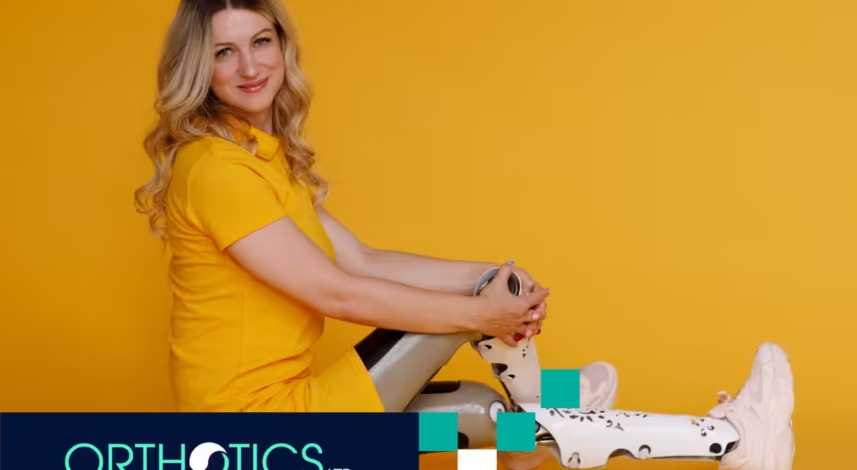
For many prosthetic users, function, such as walking, movement, and balance, is the top priority. But appearance and personal comfort matter, too. Prosthetic cosmetic covers offer a way to customize how a prosthetic limb looks and feels, blending utility with personal style. Whether you want a natural, skin‑tone appearance, a rugged cover for active use, or a bold, artistic design, there’s a cover type that fits your lifestyle.
In this article, we’ll dive into the various types of prosthetic cosmetic covers, their benefits and drawbacks, how to choose the right one, and tips for care and maintenance.
What Are Prosthetic Cosmetic Covers?
A prosthetic cosmetic cover is an outer shell or sleeve that fits over the mechanical or structural parts of a prosthetic limb. Its purposes include:
- Aesthetics/appearance: to make the prosthetic look like a natural limb or reflect personal style.
- Protection: shielding internal components from dirt, moisture, scratches, impacts, and environmental exposure.
- Practical benefits: improving clothing fit, making limbs easier to dress, and helping the prosthesis feel more like part of your body.
Covers can be used for upper‑limb prostheses (arms, hands) as well as lower‑limb prostheses (legs, feet).
Types of Prosthetic Cosmetic Covers
Here’s a breakdown of common types of cosmetic covers — what they are, their advantages, and when they might be the best choice.
| Cover Type | Description & Materials | Pros | Ideal Use Cases / Considerations |
|---|---|---|---|
| Realistic Silicone Covers | Soft, flexible silicone shaped and colored to match skin tone; may include details like skin texture, freckles, veins. | Extremely lifelike — great for a natural look, realistic feel, comfortable under clothes. Waterproof versions are possible. | Everyday wear, social settings, when discretion or realistic appearance matters — including short‑ or long‑term prosthetic users |
| Foam Covers (Soft-shell / PU Foam) | Lightweight foam shaped to resemble limb contour; may be covered with fabric or cosmetic stockings. | Affordable, lightweight, decent aesthetics, easy to fit; often simpler and cheaper than silicone covers. | Basic everyday use, those who prefer a softer/less heavy option, those on a budget, or as interim covers. It may suit people who just want a shape fill under clothes rather than detailed realism. |
| Thermoplastic / Durable Shell / Hard‑shell Covers | Rigid or semi-rigid shells made from plastics, thermoplastics, and composites — often offering durability and structural protection. | Durable, more resistant to impact and wear; offers good protection for internal prosthetic components; often lower maintenance. | Active users, those with demanding daily activities, outdoor work, rugged environments, or frequent exposure |
| 3D‑Printed Custom Covers | Covers produced by additive manufacturing (3D printing), allowing custom shapes, textures, and designs beyond natural- or shell‑style surfaces. | Highly customizable — you can choose unique designs, textures, finishes, and more personalization; the ability to match limb geometry precisely. | Users seeking a personalized aesthetic statement, creative expression, or a custom-fit solution. Also useful when the residual limb shape is unusual or non-standard. |
| Waterproof or Specialty Covers (e.g., Water, Sports, Active Use) | Covers designed specifically for water exposure, sports, or active lifestyles — often using materials resistant to moisture, abrasion, and impact. | Allows users to engage in swimming, water sports, outdoor activities, or rugged jobs without risking damage to prosthetic components. | Users who want full functionality — sports, swimming, outdoor work — and need durability and protection against environmental stress |
Choosing the Right Cover: What to Consider
Selecting the right prosthetic cosmetic cover depends on several factors. Here’s a checklist to help you decide:
- Purpose and lifestyle: Are you mostly indoors, walking casually, or leading an active life with sports or outdoor work?
- Desired appearance: Do you want a realistic, skin‑tone look? Or do you prefer a stylized or protective cover?
- Prosthetic type & compatibility: Some covers (silicone, foam, 3D‑printed shells) may fit better depending on socket type, prosthetic joints, or limb configuration.
- Durability needs: If you expect frequent use, exposure to water, or rough terrain, choose robust materials (shell, waterproof, thermoplastic).
- Maintenance and care willingness: Silicone or detailed covers may require more careful cleaning and upkeep; shell or foam covers may be lower maintenance.
- Budget and cost: Simpler foam or shell covers are often more affordable; custom silicone or 3D‑printed covers usually cost more.
Benefits Beyond Appearance
While aesthetics is a common reason to get a cosmetic cover, there are several other benefits worth noting:
- Protection of internal components: Covers shield sensitive prosthetic parts (joints, pylons, electronics) from dust, moisture, impacts, and wear.
- Improved clothing fit and ease: A smooth, covered surface makes it easier to wear pants, skirts, or fitted clothing. Extreme finishes may help clothes slide on/off more easily.
- Personal expression and confidence: Whether natural or bold design, a cover can help the user feel more like themselves or express personality through their prosthesis.
- Versatility and lifestyle adaptation: Having multiple covers — e.g., one for daily wear, one waterproof for swimming, one protective for outdoor work — lets your prosthetic adapt to different settings.
When a Cover Might Not Be the Best Option
Despite the benefits, cosmetic covers are not always ideal or necessary. Some considerations and possible drawbacks:
- Added weight or bulk: Some foam or shell covers may make the prosthetic slightly heavier or bulkier, which might affect comfort or gait.
- Maintenance demands: Realistic silicone or custom covers sometimes require careful cleaning, drying, and gentle handling to prevent damage, especially if exposed to water, sweat, or harsh environments.
- Fit and compatibility issues: Not every cover suits every prosthetic; socket type, alignment changes, or prosthetic adjustments may require a new cover or re‑fitting.
- Durability limitations: Foam covers may wear out faster; silicone may tear or degrade with frequent exposure to water, friction, or impact; custom covers may be expensive to replace.
- Not always necessary: Some prosthetic users prefer to keep mechanical parts visible (modern, sleek look) or prioritize function over cosmesis.
Tips for Care, Maintenance & Replacement
Once you choose a cosmetic cover, proper care ensures longevity and comfort. Here are some best practices — and when to consider replacing the cover.
- Regular inspection: Check the cover periodically (e.g., monthly) for cracks, tears, deformation, or loose fit — especially if you use your prosthetic daily or engage in active tasks.
- Gentle cleaning: Use mild soap and lukewarm water; avoid harsh chemicals, solvents, or abrasive cleaners that could damage materials. Rinse well and air‑dry completely before reattaching. (Especially important for silicone or printed finishes.)
- Store properly when not in use: Keep covers in a cool, dry place away from direct sunlight, extreme heat, or cold — these can degrade materials or cause warping.
- Have alternate covers if needed: For those who vary their activities (e.g., daily wear, sports, water exposure, work), having multiple covers tailored to each context helps preserve each cover’s lifespan and keep your prosthetic versatile.
- Replace when warranted: Signs like cracks, tears, material hardening, fading, loose fit, or misalignment after socket adjustment are indications that a new cover is needed — not just for looks, but for protection and safety.
Typical replacement frequency depends on activity level and cover type; for example, silicone covers may need replacement every 1–2 years for active users, while durable shell or thermoplastic covers might last several years under moderate use.
How to Decide: Questions to Ask Before Getting a Cover
Before selecting a prosthetic cosmetic cover, consider these questions to guide your decision:
- What’s your main daily activity (sedentary, walking, active, sports, water work)?
- Do you prefer a natural look or are you open to stylized/custom designs?
- How important is durability and protection (vs. aesthetics)?
- Are you okay with maintenance routines (cleaning, drying, careful handling)?
- Do you plan to have multiple covers (for different contexts — casual, work, sports)?
- Is your prosthetic compatible with the cover type (shape, socket, mechanical components)?
Taking time to answer these will help you choose a cover that matches not just your prosthesis, but your life.
Final Thoughts
Prosthetic cosmetic covers are more than just aesthetic add‑ons — they are functional accessories that protect your prosthetic, enhance comfort, help clothes fit better, and give you the option to express personal style or blend in naturally. Whether you’re after realistic skin‑tone silicone, lightweight foam, rugged shell covers, or fully customized 3D‑printed designs, there’s a suitable cover for nearly every lifestyle and need.
Choosing the right cover means balancing appearance, activity level, prosthetic compatibility, maintenance demands, and durability. With proper care and the right match, a cosmetic cover can greatly improve your everyday experience with your prosthetic limb.
If you’d like expert advice on selecting the right cover, custom‑fit options, or professional fabrication tailored to your prosthetic and lifestyle needs, feel Orthotics Ltd. is here to help. Reach out today!
Frequently Asked Questions
1. Can cosmetic covers fit on any prosthetic limb?
In many cases, yes, both upper- and lower‑limb prosthetics can be fitted with cosmetic covers. But compatibility depends on the prosthetic’s design, socket, and mechanical components. Always consult your prosthetist before ordering a cover.
2. Does adding a cover affect the functionality or comfort of my prosthesis?
If properly fitted, a cosmetic cover should not impair function. In fact, it can add benefits, protection from dirt, moisture, and impacts, a smoother clothing fit, and improved comfort under clothes.
3. How long does a cosmetic cover typically last?
It varies. Durable shell or thermoplastic covers may last several years with moderate use. Foam covers may wear out or degrade in under a year under heavy use. Silicone and custom covers often need inspection or replacement every 1–2 years for active users, depending on care.
4. Are there covers suitable for swimming or water sports?
Yes, there are waterproof or water‑resistant covers designed for prosthetic limbs. Silicone or specially treated covers are particularly good for water exposure, and some providers offer options specifically for swimming or aquatic use.
5. Can I customize the appearance of my prosthetic cover?
Absolutely. Many providers offer custom finishes, 3D‑printed designs, painted or printed patterns, metallic or stylized shells, or skin‑tone matching for a natural look. Customization allows you to reflect your personality, lifestyle, or aesthetic preferences.
Sources:
- https://pmc.ncbi.nlm.nih.gov/articles/PMC11168597/
- https://www.aopa.org.au/documents/item/724
- https://my.clevelandclinic.org/health/treatments/prosthetic-leg
- https://www.physio-pedia.com/Lower_Limb_Prosthetic_Sockets_and_Suspension_Systems
